My Life as a Russian Novel by Emmanuel Carrère
Posted: June 3, 2012 Filed under: Books, Documentary, Non-fiction | Tags: Books, Emmanuel Carrère, English, Limonov 1 Comment In anticipation of the upcoming translation (I hope) of Carrère's recently published and acclaimed Limonov book, I have picked up his Un Roman Russe to try. Unexpectedly, it was a real page turner, a memoir (unless he lies) depicting a few years of his life – last page finished near 2:30am in the morning, my poor kindle afraid of the bubbling bathtub.
Covers three subjects, predominantly.
Firstly, his vertiginous relationship with his partner Sophie, a true Santa Barbara styled saga of sorts with such unexpected twists and ambushes that one can't but suspects a pinch of fiction spicing up real events. I googled Le Monde story – you would too. Also, the beginning of the book especially, I couldn't but compare it to Limonov's Taming the Tiger in Paris, the book I adore. That Sophie theme, I felt, as key to the book.
The Big Short: Inside the Doomsday Machine by Michael Lewis
Posted: February 13, 2012 Filed under: Books, Documentary, Non-fiction | Tags: Books, English, Michael Lewis 4 Comments
The Big Short turned out to be quite a wholesome book – it seems, the more I read Lewis, the more I like him – so I guess I have to read more.
To tell you frankly, for a person not too involved with and not too interested in FI markets, I never really took time to analyze what hit the big WS firms back in 2008 – I guess I am still a bit puzzled how the smart guys outsmarted themselves and kept this rotten pile of crap on their balance sheets – I don’t buy into this loan warehousing idea – and blunt bets for the trading units would be, umm, stupid – I know, boys will be boys etc, but still, why not push the crap away to, as Lewis calls him, the sucker, a mystery to me. S&P, AIG and the rest – easy to understand – but MS, ML and the rest of the folks – uh, why?
As in his golden 80s when Lewis spat venom about Salomon Bros, his recent stuff is all about “ibankers, the wrongdoers of the world” – oh, well. #occupymyasshuh
* * *
When a Wall Street firm helped him to get into a trade that seemed perfect in every way, he asked the salesman, “I appreciate this, but I just want to know one thing: How are you going to fuck me?”
* * *
Senior management’s job is to pay people,” he’d say. “If they fuck a hundred guys out of a hundred grand each, that’s ten million more for them. They have four categories: happy, satisfied, dissatisfied, disgusted. If they hit happy, they’ve screwed up: They never want you happy. On the other hand, they don’t want you so disgusted you quit. The sweet spot is somewhere between dissatisfied and disgusted.”
Boomerang: Travels in the new third world by Michael Lewis
Posted: January 29, 2012 Filed under: Books, Documentary, Non-fiction | Tags: Books, English, Michael Lewis 1 Comment
Mike Lewis’s last book isn’t one at all. In fact, it is a collection of five standalone articles published between 2009 and 2011 in the Vanity Fair magazine, disguised as a book and given a new introductory chapter.
Five stories of people that Lewis wants to show as stupid and/or crooked – Icelandic fisherman i-bankers, corrupt Greek public servicemen, Irish real estate developers and politicians who got far too excited to think clearly, anal rule-abiding German-based bond investors, and greedy Californian firefighters – all in one bowl.
A funny read at times – though I guess I should know better than take all Lewis claims for granted – fact of life, the guy loves to exaggerate. The best bits are Iceland and the Greeks, but I will probably steal today’s quote from the German section, huh.
“The Hamburg red-light district had caught Dundes’s eye because the locals made such a big deal of mud wrestling. Naked women fought in a ring of filth while the spectators wore plastic caps, a sort of head condom, to avoid being splattered. “Thus,” wrote Dundes, “the audience can remain clean while enjoying dirt!” Germans longed to be near the shit, but not in it. This, as it turns out, is an excellent description of their role in the current financial crisis.”
PS: BTW that thing, that particular Frankfurt WC, has already been mentioned to me more than once in one quite interesting Russian corporate banking urban legend – did you guess which one? 😉
“The interesting thing, said the German financier, who visited often, is the glass room at the top, from which one looks down over Frankfurt. It is a men’s toilet. Commerzbank executives had taken him there to show him how, in full view of the world below, he could shit on Deutsche Bank.”
Римские откровения Александра Бренера и Варвары Паника
Posted: January 14, 2012 Filed under: Books, Non-fiction, Uncategorized | Tags: Art, Books, Brener, Russian Leave a comment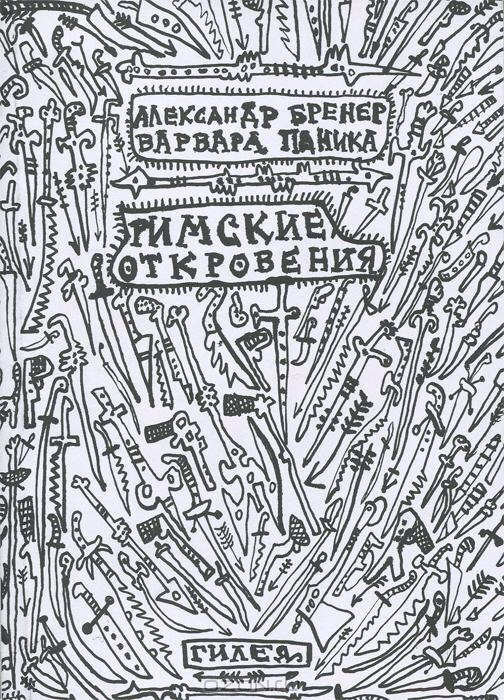
Безобразник и шалун Бренер написал очередную фантасмагорию о своих необычайных похождениях. На этот раз в Риме, но главный герой сего произведения – даже не сам узник голландского правосудия, не подруженция его Варвара Паника (она же Барбара Шурц), не баллончик с зеленой краской, а, простите уж, так вышло, говно.
Новая (старая) концепция: искусство говно, а говно Бренера – искусство.
Сюжет, в общем, идеально описан вот этим фрагментом книги, вызвавшим у меня в момент чтения дикий смех.
11-е откровение: концерт
На следующий день в восемь вечера мы были в кафе-галерее. Уже собралась кое-какая публика. К нам подошёл вчерашний бармен-художник.
— А всё-таки — вы откуда? — спросил он.
— Да мы из Албании, — сказали мы.
— Ха-ха-ха! — рассмеялся художник.
— А воспитывались мы в Китае, — сказали мы. Он продолжал посмеиваться.
Публики еще прибавилось.
— А вы музыканты или художники? — снова спросил бармен.
— Вообще-то мы больше всего любим готовить пасту, — сказали мы. — Вернее, мы её любим есть, — уточнили мы.
Художник опять хихикнул.
— А какую музыку вы будете играть? — спросил он.
— Мы — барабанщики, — сказали мы.
Он отстал. Публика смотрела на нас недоверчиво.
Мы приготовили наш стол. Поставили его на самое видное место. Публика уселась за столики.
Представление началось.
Мы барабанили кулаками по столу. Одновременно снизу мы подталкивали стол коленями, сидя. Сидели за столом и со всех сторон били его — руками и ногами. Одновременно начали раздеваться. Стол ходил ходуном, показывая нашу плоть. Стук был древний, ритмический, сбивающийся с ритма, снова его находящий. Мы сидели за столом и почти разбивали его, но больше всё-таки разбивали кулаки.
И тут мы обосрались. Обосрались себе в руку и тут же размазали дерьмо по столу. И опять колотили его.
Стол был весь испачкан калом. Это был уже не стол. Это был какой-то очень конкретный музыкальный инструмент или просто вещь, из которой мы извлекали звуки. Одновременно мы начали петь. Разные стихи, известные нам с детства. Всякие, разные стихи, которые приходили в голову и согласовывались с ритмом. Было много говна, стихов и ритмических стуков. Был показ гениталий. Было пританцовывание. Всё ходило ходуном.
Публика, кажется, остолбенела. Зрителей набралось много, и всё новые заходили с улицы, вероятно, привлечённые стуком. Кафе-галерея имела большую стеклянную витрину, так что с улицы всё было видно. Люди заходили и начинали сразу снимать происходящее своими мобильными телефонами и камерами. Когда мы это обнаружили, то стали показывать разогнутый палец. Разумеется, он был в дерьме. Всё вокруг уже было в дерьме и воняло.
Какие-то люди стали резко покидать помещение. Наши кулаки были уже основательно отбиты и кровоточили. Мы решили: хватит, кончаем. Очень устали. Всё было довольно интенсивно. Интенсивность — это самое главное в жизни!
Зрители покидали кафе. Сильно пахло говном. Оно было мягким, обильным и легко размазывалось. Вся поверхность так называемого стола была в этой жёлтоватой массе.
Мы еле могли отдышаться от нашего действия. […]
 nomiresdebajodelacama