Рожденные с характером Евгении Белонощенко
Posted: August 25, 2013 Filed under: Books, Non-fiction | Tags: Books, Evgenia Belonoschenko, Russian Leave a comment
Nothin’ Ugly Fly by Marvin K. White
Posted: August 18, 2013 Filed under: Books, Poetry | Tags: Books, English, Marvin K. White, Poetry Leave a comment
Blood by Ryden
Posted: August 18, 2013 Filed under: Art / Photo, Books | Tags: Art, Blood, Books, English, Mark Ryden Leave a comment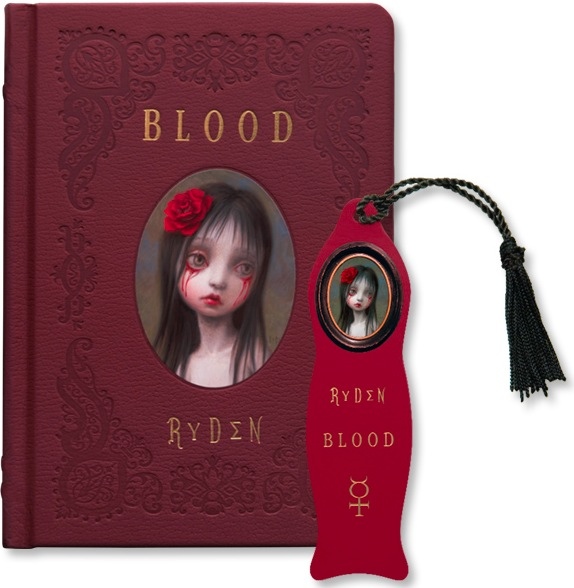
This was an impulse purchase. A quickie. Thinking back, I attribute this impulse both to the outstanding quality of the book's cover (it has a child's Necronomicon feel, leatherish with ornaments, and a girl crying blood), as well as me having a chance to flip through other Ryden's books on the same shelf (not bloody at all) and enjoying the style.
It's like Tim Burton who turned Emo or Gothic or both, and now working exclusively for those with both a strong stomach and a good sense of humor. Sadly, I will have to put it on a top shelf for now – not sure the kids are ready for it. Yet. Necronomicon must wait its turn )))
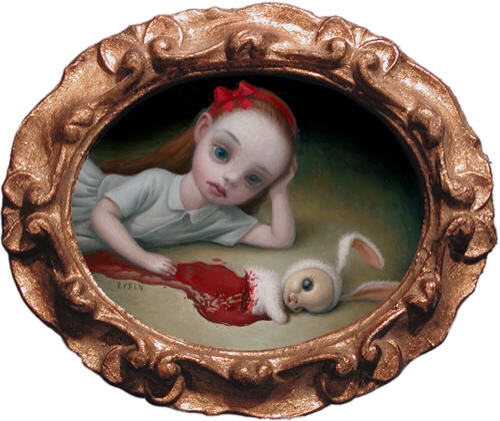
“Blood is very powerful. While meat is the substance that keeps our living souls in this physical reality, blood keeps our meat alive. Blood is liquid life. When blood escapes our bodies we are alarmed to the very core of our brains. It is life leaking out of us. It is frightening and makes red a profoundly intense color.” Mark Ryden, 2003
P.S. if you don't want to buy the book, you can see all the paintings and drawings here http://www.markryden.com/paintings/


Beauty in Decay / UrbEx
Posted: August 17, 2013 Filed under: Art / Photo, Books | Tags: Art, Books, English, Urban Exploration, Urbex Leave a comment
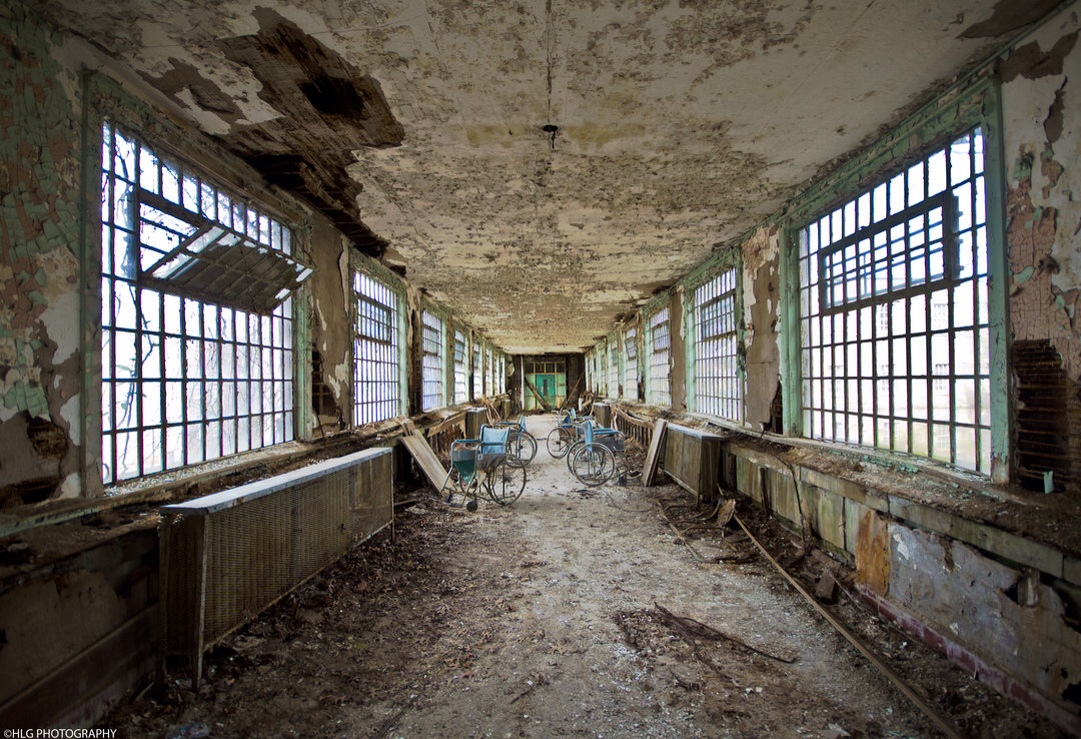
Browsing through Respublica shop photo album section, I came across this absolutely stunning book called Beauty in Decay. Though it was firmly sealed in cellophane, and it was impossible to peak in, its cover gave a vivid preview of what's inside – a photo trip into numerous derelict buildings, industrial, public sector, private, you name it.
The book has no author – it has 49 different photographers contributing their pictures, and certainly not all of them professional – but this is the part where content can beat the author. Abandoned places are made of magic, it seems, full of ghosts of the past long gone, and it's not something that you see – it's something that you have to imagine that sticks most with you.
Not all, but some of us hate splendor mummified – I've been to Paris half a dozen times or more, but never, never visited Louvre and never intend to – and my recollections from my visit to Palacio Real in Madrid are a nightmare – in contrast to my trip to, say, abandoned hotel Berengaria in Cyprus Trodos mountains, a vivid say symbol of decay, uninhabited since mid-70s, which was a beauty every time.
The book has a perfect Stalker / Silent Hill feel – and you have to love it to love it, I guess. And I do love it. Awesome book. The best picture book I've had in ages – and the only architectural one – as I typically like mostly press photos, like war conflicts, refugees, African mines, Soviet plants, and other world's miseries.
So, what's up with radiation level in Pripyat now?


Julio’s Day by Gilbert Hernandez
Posted: August 12, 2013 Filed under: Books, Comic | Tags: Books, English, Gilbert Hernandez 1 Comment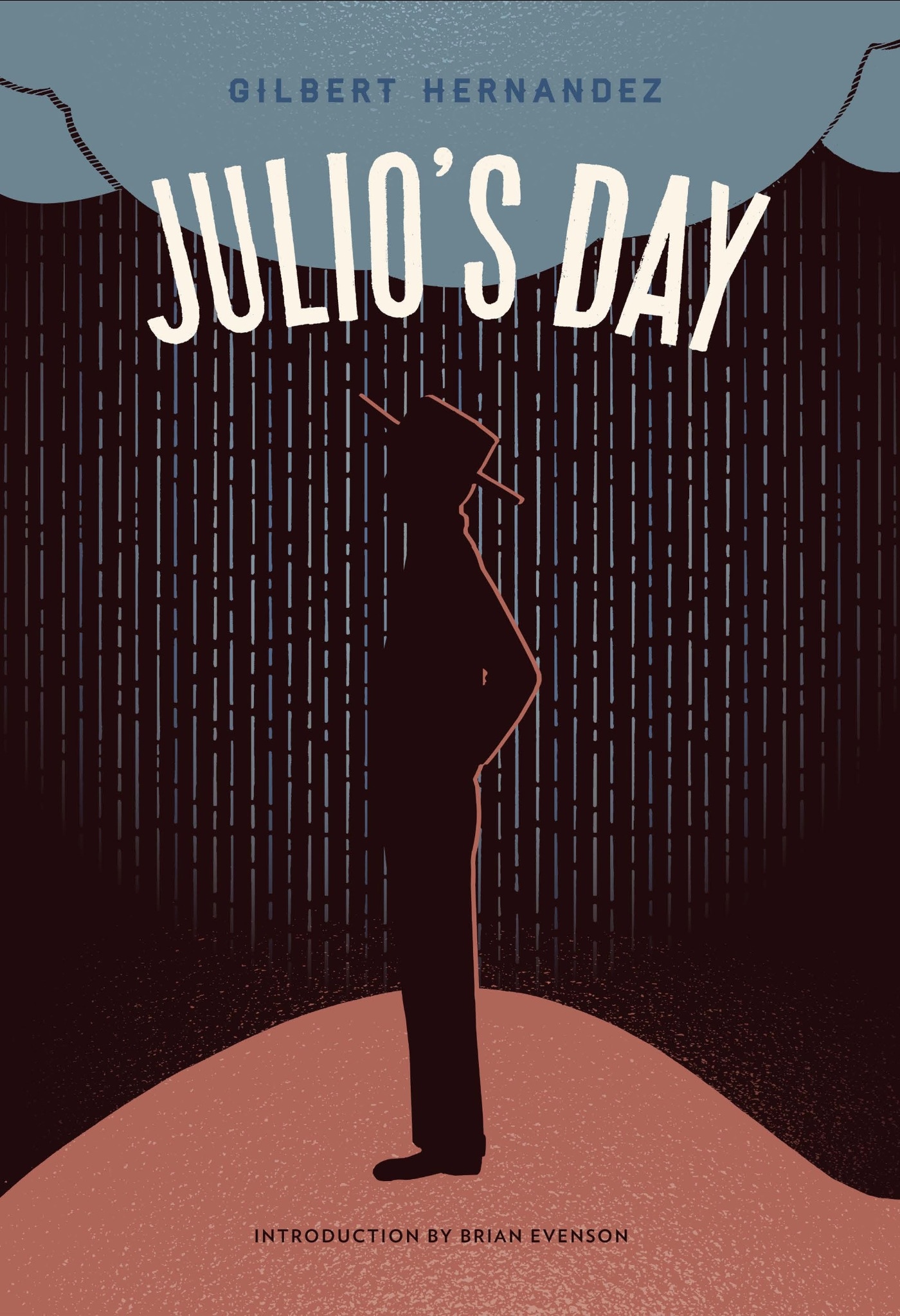
I somehow miss (missed) all the fun about Gilbert Hernandez' Locas and the rest of Love and Rockets – the one I did read was totally lame – so Julio's Day, his latest graphic novel looked attractive because it seemed very different from the main stuff – and ComiXology ad did its magic on me.
It's a 100-page long story about a Mexican American named Julio and the life of his family, beginning in 1900 and ending in 2000. A century in 100 pages – a book read in one sitting. However, parallels to historic events are minimal for my taste and not too detailed – part of scenery, I'd say.
The story had a couple of peak moments when my eyes were practically glued to ipad screen – the first poisoning, the second mudslide, the vengeance – but other than that, a page-flipper at fast pace.
The book reminded me a bit Keiji Nakazawa's historic masterpiece Barefoot Gen – I read the whole 10 volumes of the A-bomb saga – it has the same minimal approach to certain events in the story and quite a bit of gore drawings. But what is expected of a real Hiroshima survivor – and what he is repected for – has nothing to do with a certain Sr. Hernandez from Cali, USA.
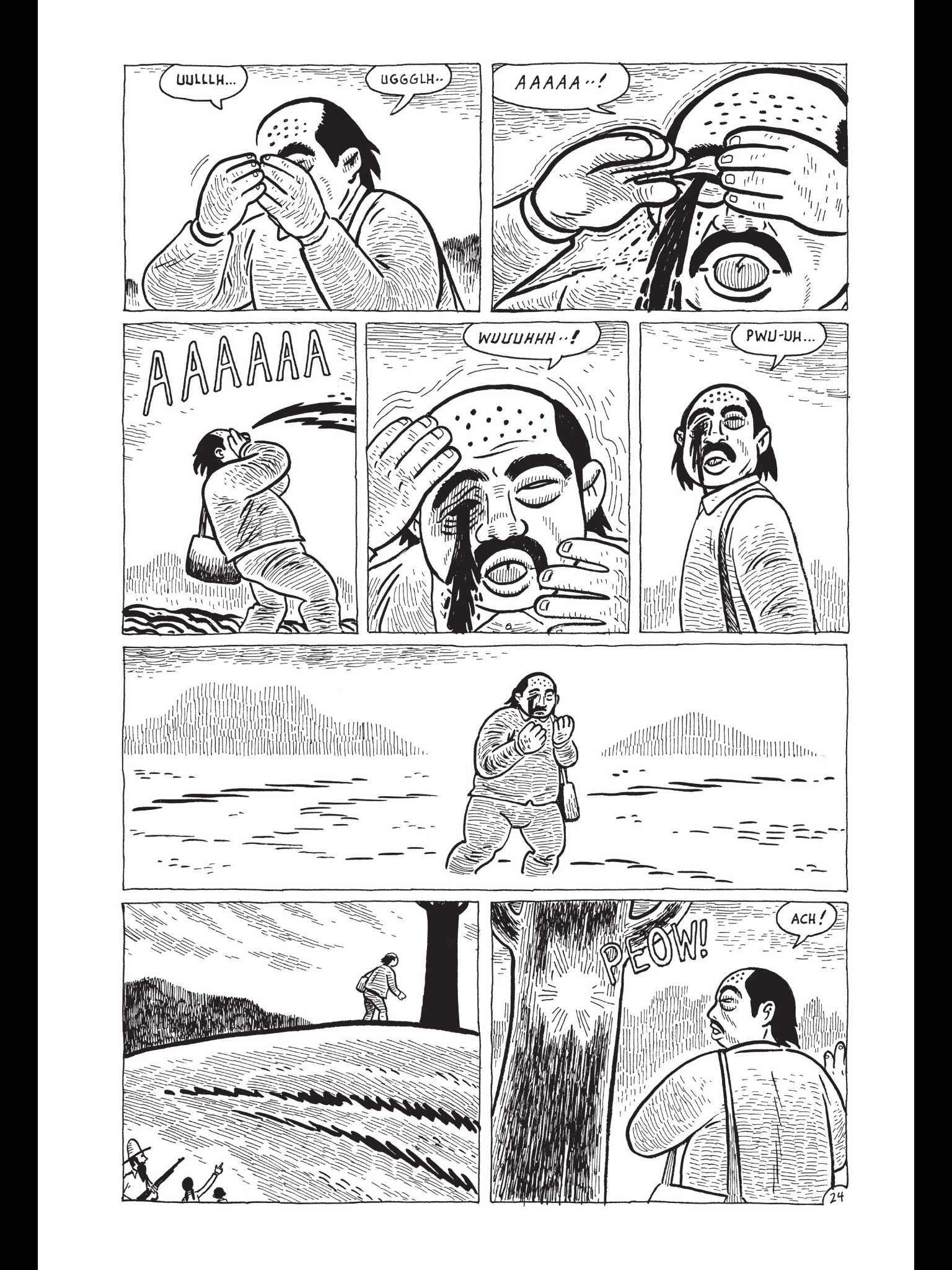
My final score – while a quick 60-minutes read, good drawings and all, the book is forgettable for my taste – save for one thing. The blue worm poisoning (seems to be the invention of Hernandez mind – though some symptoms have clear correlation with those of elephantiasis). The blue worm poisoning! Man, that was creepy! Hope I won't see that at night, shivering in my bed at 4am in the morning. That I would be glad to compare to Tezuka's Kirihito, which equals one of the highest degrees of praise for a comic book in my universe. That alone a good reason to read it. Scary and sick!


Приплыли Васи Ложкина
Posted: August 10, 2013 Filed under: Art / Photo, Books | Tags: Art, Books, Вася Ложкин, Vasya Lozhkin Leave a comment
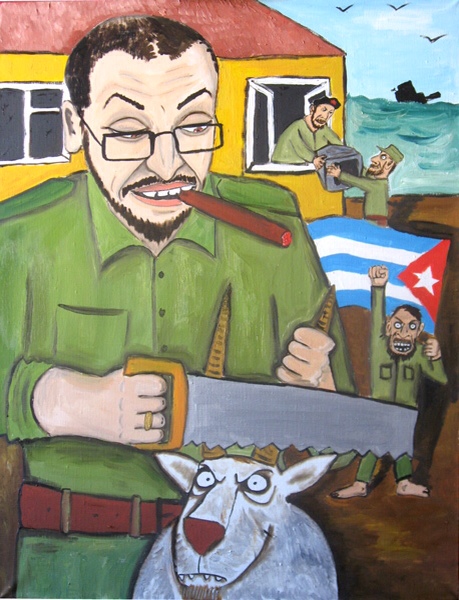
Дорогой Алексей Куделин Вася Ложкин! Я очень-очень рад за тебя! За те семь (кажется) лет, которые прошли с момента моей первой покупки твоего шедеврального произведения Секта скопцов в религиозном угаре за 3 тыс. рублей в ныне уже несуществующем прокуренном и антихипстерском антиклубе Проект ОГИ, где ты в тот вечер выступал вокалистом группы, где ты более совсем не вокалист, и весело отплясывал во время песни про Ослика, утекло сто тысяч миллионов литров воды, прошла твоя выставка в ЦДХ и вот уже вышла целая книжка (художественный альбом, не постесняюсь этого слова) работ и творений – правда, почему-то без ISBN и выходных данных о тираже.
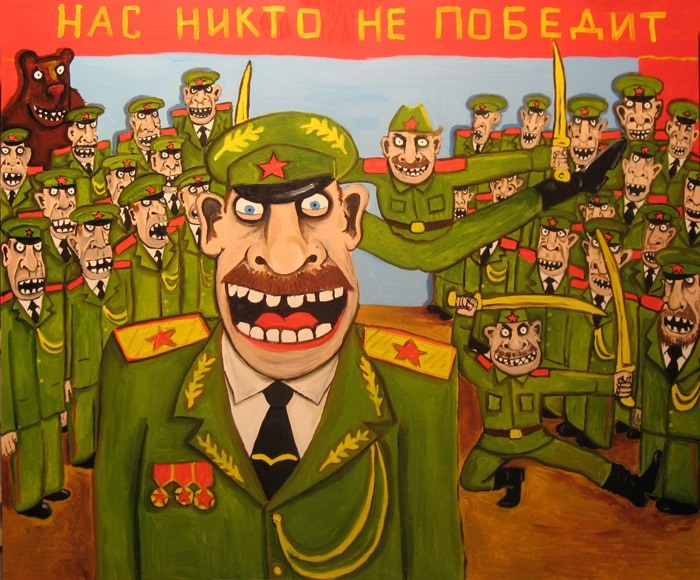
Хорошая книжечка. Хотел купить две копии – вторую в подарок многоуважаемому МЯБ, почетному владельцу межгалактического полотна Нас никто не победит! (при продаже в 2009 г., правда, носящего другое куда более звучное название типа Трижды краснознамённый ансамбль песни и пляски десантно-космических войск исполняет песню Ману Чао «Велком ту Тихуана! Текила, сексо, марихуана!» – ну да ладно) – да не было в Республике второй копии, эх.
В общем, у меня по поводу данного художественного альбома есть два (три) соображения. Предъявы, канкретна.
Раз, зачем так много котиков? Нам нужна жесть как она есть, нефть-матушка в трубе Кобылозадовского НПЗ, медведи ряженные, а также the Russian Gothic (он присутствует, yeah). В общем, если бы без котиков, то ваще супер, водка-селедка-трэш-угар. Мы не за котиков, котики в вконтактике.
Два (и три). Почему-ну-пачиму из трех шедевров, уже который год украшающих мои стены, в книгу попал только один? Только Ловля на живца. А как же мой Портрет неизвестного кубинца? А, главное, где же Скопцы? Ох-ох-ох. Все эти котики виной, точно.
Но, кроме ентого досадного факта, все очень здорово, дорогой и любимый наш Алексей-Василий, прям круто-круто и все такое. Дальше только MOMA, Помпиду и Рейна София. Да!
P.S. писчи исчо http://vasya-lozhkin.livejournal.com/

The Walking Dead #112 by Robert Kirkman et al
Posted: August 10, 2013 Filed under: Books, Comic | Tags: Books, English, Robert Kirkman, Zombie Leave a comment
Finally, a good one this one. Yikes!
Journalism by Joe Sacco
Posted: August 9, 2013 Filed under: Books, Comic, Documentary, Non-fiction | Tags: Books, Chechnya, English, Joe Sacco Leave a comment
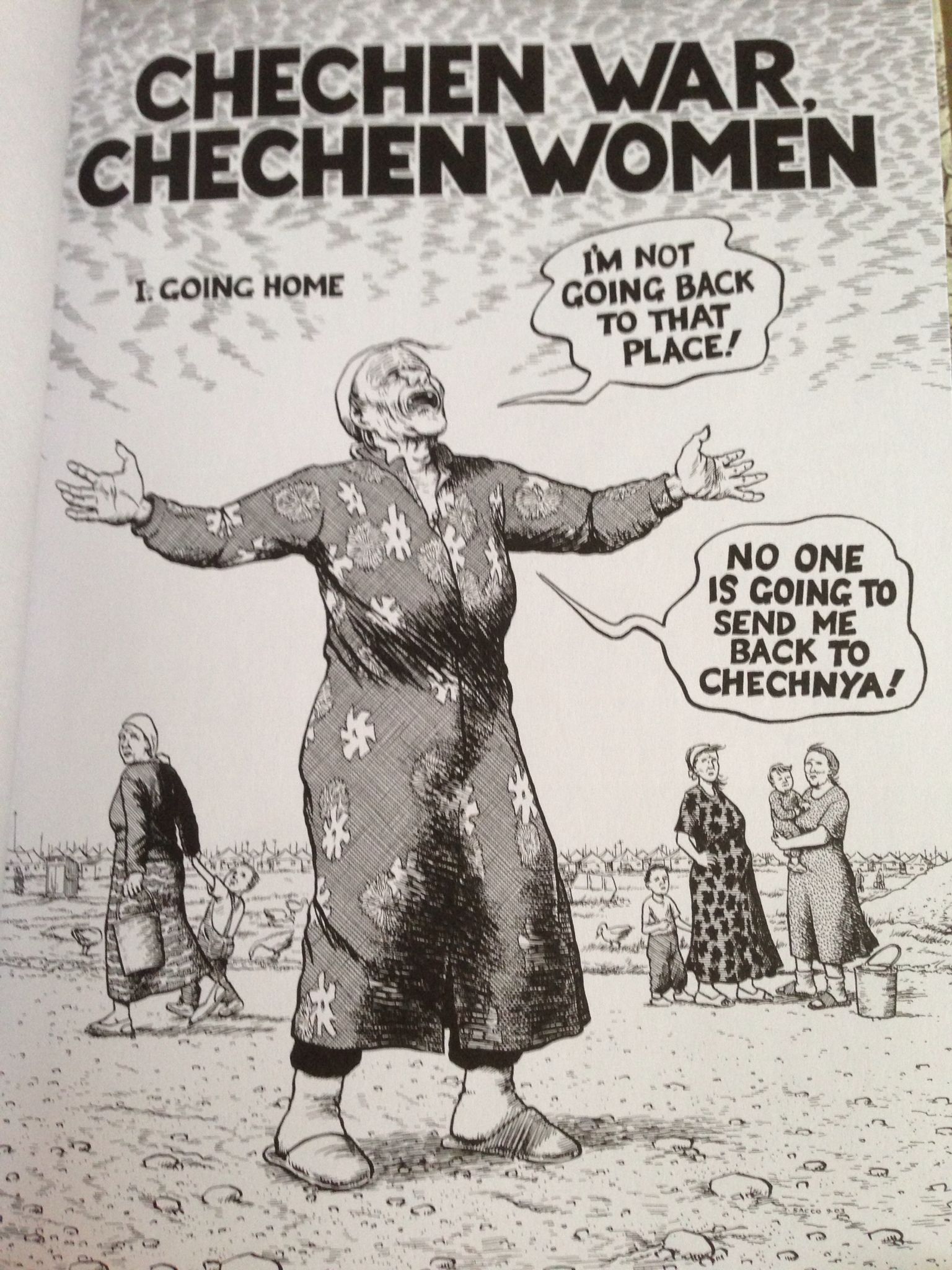
Quite an interesting collection of various short stories by the great Joe Sacco, covering his multiple trips to war and poverty ridden destinations in Palestine, Iraq, Chechnya, India, as well as illegal immigration camps in Malta.
Over the past two decades Sacco seems to have become the only (or definitely the most well-known) comic journalist in the proper journalism sense of the word. He goes to locations, meets poor disadvantaged refugees, and makes photos which he then subsequently turns into cartoons.
Yes, indeed, he tends to look at things from a true socialist (well, liberal) point of view – and not because he doesn't like Ayn Rand – but because he just wants the Indian seven-year-olds fed and the Iraqi wounded treated.
This book, as great as it is, for a true Sacco fan certainly lags behind Safe Area Goražde, a gripping blood-chilling tale of the massacre of Eastern Bosnian muslims by the joint Serb forces – but it has its up points. The lazy of me read it in a few attempts, with Iraq being the stalling point of my journey – but it is definitely worth a try.


Это я – Эдичка Эдуарда Лимонова
Posted: August 4, 2013 Filed under: Books, Fiction | Tags: Books, Limonov, Russian Leave a comment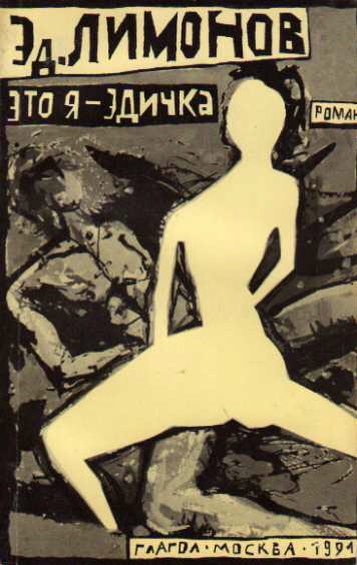
Удивительно, но факт – и всей моей любви к великому русскому писателю Эдуарду Вениаминычу Савенко я вот только сповадился прочитать Эдичку. Дневник неудачника и Историю его слуги читал, русскую трилогию читал, Тигра в Париже и Палача читал, дотюремную, тюремную и пост-тюремную прозу читал, стихи читал, даже про Анатолия Быкова и алюминий читал – а вот Эдичку нет!
Надо сказать, Эдичка, хоть и программное произведение писателя-революционера и оппозиционера, мне как-то понравился меньше многих других. Наверное, мне ближе более поздний, злой, резкий Лимонов, чем любящий и страдающий. Мне поэтому и Дневник неудачника был не очень тоже. Хотя корни его сегодняшних, большевистских, радикальных убеждений видны полностью.
А самое занимательное – сравнивать позицию бежавшего диссидента Лимонова образца 1976 г. с сегодняшней реальностью наших столичных митингов и протестов. Ох, кажется мне, что у нас до сих пор вся страна вот таких вот Маргарит и Лус из провинции. Ох.
========
Я был русский, это им тоже нравилось. Они вряд ли знали о существовании еврейской эмиграции из России, им было бесполезно объяснять, что я по национальности русский, а приехал по визе, присланной мне фиктивно из Израиля и с согласия советских властей. Излишняя информация. Я был русский – и все тут. Как объяснила им и мне миссис Сирота, Россия расположена в Европе. Так я стал человеком из Европы. А они были из Центральной и Латинской Америки. И были мы все из мира.
Вынужденно, помимо моей воли я, человек, сбежавший из СССР сюда в поисках творческой свободы, то есть возможности печатать здесь, свои ненужные здесь, нужные только там, в России, произведения, – поступок достаточно легкомысленный, – оказался для них представителем моей страны, единственным доступным им в их жизни представителем России – СССР.
Видит Бог, я старался прилично представлять свою страну перед ними. Я не выебывался, прежде всего перед собой, и не смотрел на мир с позиций своего воображения, я старался честно смотреть. Этих женщин вовсе не касалось, печатали меня там или нет, в конце концов, таких как я едва ли тысячи.
Им понятно было другое – страна, в которой бесплатное высшее образование, бесплатное медицинское обслуживание, где квартирная плата составляет ничтожную долю зарплаты, где разница между зарплатой рабочего – 150 рублей – и академика или даже полковника КГБ – 500 рублей, всего 350 рублей, господа, это вам не астрономические суммы, в которые оцениваются состояния богатейших семейств Америки, и рядом жалкие 110-120 в неделю, которые Эдичка зарабатывал басбоем в отеле «Хилтон» – такая страна не может быть плохой страной.
Они не проделывали вместе с западной интеллигенцией долгий путь очарования русской революцией и Россией, и разочарования в ней. Ничего они не проделывали. Среди них ходили смутные слухи о стране, где таким, как они, живется хорошо. Всегда ходили.
Я не вдавался в подробности, и не мог бы им объяснить русскую историю последних 60-ти лет – сталинизм, жертвы, лагеря, все это они пропустили бы мимо ушей. Их собственная история тоже изобиловала жертвами и зверствами. Они не были горды и честолюбивы, они и их мужья не писали стихов и книг, не рисовали картин, у них не было бешеного желания во чтобы это ни стало втиснуть свое имя в историю своей страны, а еще лучше мира, и поэтому преград и запретов на этом, вовсе им ненужном, пути они бы и не признали. Они жили и были добры и угощали русского жареным мясом и любили своих Хозе, и рожали детей, и фотографировали их в лучших одеждах, и это была их жизнь.
El Enredo de la Bolsa y la Vida de Eduardo Mendoza
Posted: July 21, 2013 Filed under: Books, Fiction | Tags: Books, Eduardo Mendoza, Spanish 1 Comment
The fourth book was short, punchy and fun – in a sense, it made me remember the old Santiago Segura's Torrente, mainly by the vast number of ridiculous helpers of our friend the peluquero.
Again, a perfect beach read.
You don't have to read my summary – better read the one by El Pais.
 nomiresdebajodelacama