Posted: February 17, 2014 | Author: no mires debajo, eh | Filed under: Audiobook, Books, Documentary, Non-fiction | Tags: Art, Audiobook, Books, Masha Gessen, Pussy Riot, Voina |
When
Masha Gessen's new book about Pussy Riot appeared on amazon in January, I bought that in a blink of an eye, but decided – I will hold off reading it till the moment when the audiobook is available as well, so that I can alternate reading and listening – after
The Man Without a Face I realized that Gessen's stuff is best taken this way.
Great book! The more I read Masha, the more I realize I need to put all her previous books in my to-read list and catch up.
Given this is my reading blog, and not my Facebook page, I decided I won't spam it with too much liberal propaganda and atheism. Still, I want to make a few things clear – I am a hardcore atheist, who on top of that loves contemporary art, was always thrilled by all of
Voina's actions (these guys rocked Auchan, huh – BTW, a
great fiction book on Voina by Valery Panyushkin), and who found the trial of the three girls a complete aberration of law and common sense, coupled with ugly rape of the secular state by the church.
Gessen split her book in three parts, and each talks about and symbolizes one thing. Part one, the most interesting for me, is about Art. Short bios of the girls, formation of Voina, their actions and reactions. Voina rocked.
Part two, which was most known to me, as I have read court transcripts online as the case was broadcast, should have been called The Witchhunt. I had a long drive ahead of me this weekend, it was night time and lots of rain, the windscreen was dim and foggy – and the narrator's voice from my audiobook reconstructed the horror of the fake soviet style trial, the mockery of Russian justice. It's Miller's The Crucible staged live, with only exception they don't burn the witches alive in the frigging 21st century. Oh, at least that.
Part three, I would call it Gulag. Because today's Russian corrective colonies are just that, slave labour and no human rights. And then more slave labour. Also, to piggyback on Sochi toilets with no partitions between seats – well, obviously that's the way Russian jails are built. Surprise, surprise!
Anyway, the world has now seen a nice face of Russia, smiling and heavily made up, all shiny in the glittering snow and ice – and this book gives a great overview of the other side of the coin, both in freedom and behind bars, the side where no czar face or two-headed eagle is engraved. And it slowly gets murky, depressing, and heartbreaking. And, of course, it is as real as the gold medals and the new slopes.
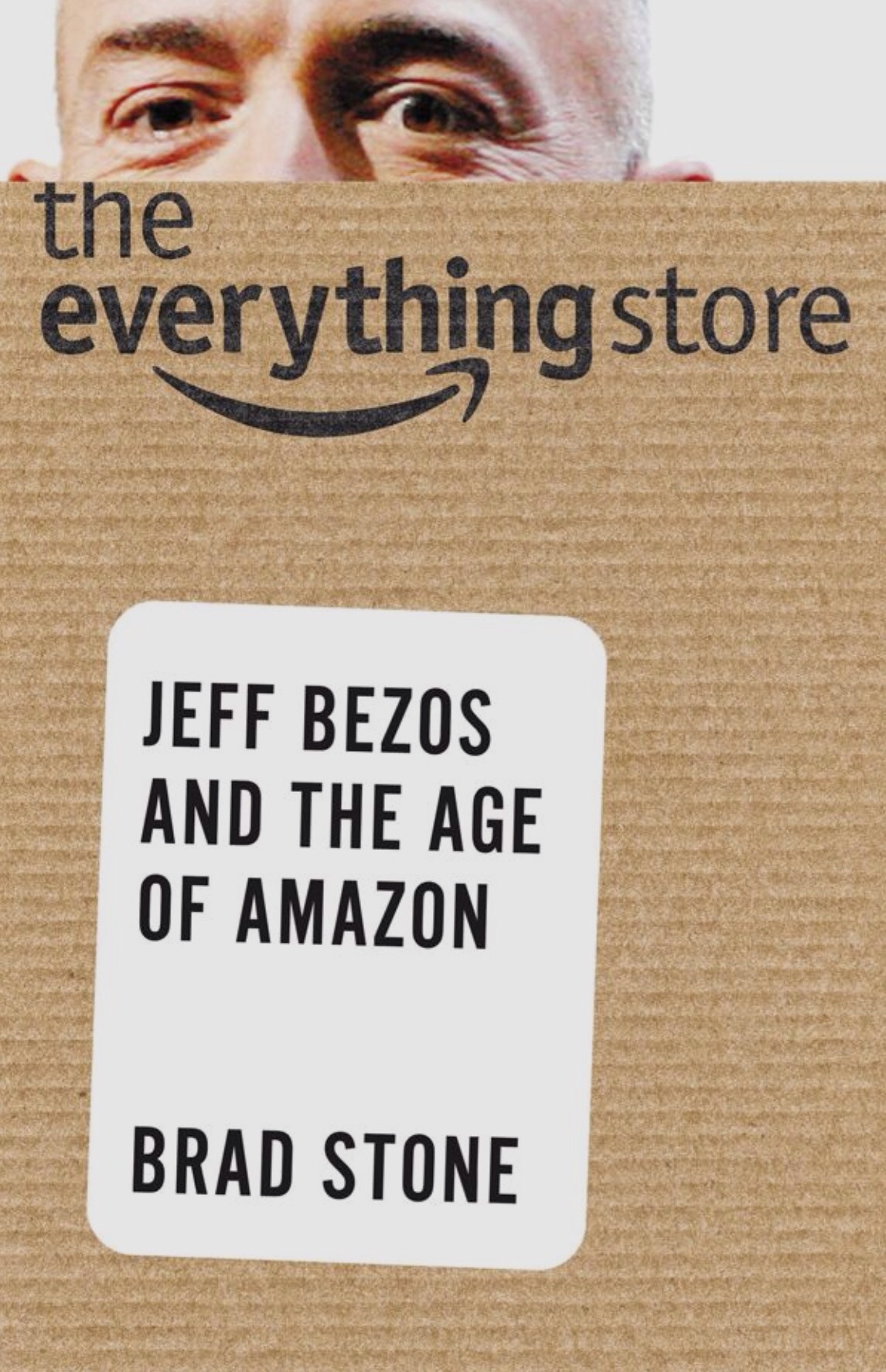
Posted: February 9, 2014 | Author: no mires debajo, eh | Filed under: Audiobook, Books, Documentary, Non-fiction | Tags: Amazon, Audiobook, Books, Brad Stone, Business, English, Jeff Bezos |
A very well researched and no less well written book about Jeff Bezos, the founder and perennial CEO of amazon.com, that hit the virtual shelves of Amazon just recently, so it's very new and very fresh, an unsortmountable advantage for a business biography – so I hurried to devour it fast in both kindle and audible formats.
I never really followed the Amazon stock or story – no, I rather laughed at the sheer craziness of the people who invest in it (today it trades around 600x trailing 12m P/E) – but this book showed me that Bezos was and remains a true visionary behind his business. And I do love that business! Even here in Russia, a country where Amazon is not officially present, I am an avid fan of its products and services.
I needed not to go far to understand this – the opportunity, though sad, presented itself – I lost my kindle on a flight last week, amid reading this book, and it sure made me realize how fond I am of it – and iPad kindle app is a poor substitute – though audible.com, an Amazon company, which I re-discovered for myself a month or so ago, helped with a recording that is awesome.
In order not to bore my dear readers, I decided to put a short quote at the end of this review – an idea that I like a lot, and that I think is missing from our corporate world today – which is built on the premise that the opposite is holy.
Also, at the end of the book, there was the so called
Jeff's Reading List, which is a list of a dozen of book recommendations from Bezos himself. Here's a
great overview of it on
Business Insider, have a look.
======
At a management offsite in the late 1990s, a team of well-intentioned junior executives stood up before the company’s top brass and gave a presentation on a problem indigenous to all large organizations: the difficulty of coordinating far-flung divisions. The junior executives recommended a variety of different techniques to foster cross-group dialogue and afterward seemed proud of their own ingenuity. Then Jeff Bezos, his face red and the blood vessel in his forehead pulsing, spoke up.
“I understand what you’re saying, but you are completely wrong,” he said. “Communication is a sign of dysfunction. It means people aren’t working together in a close, organic way. We should be trying to figure out a way for teams to communicate less with each other, not more.”
That confrontation was widely remembered. “Jeff has these aha moments,” says David Risher. “All the blood in his entire body goes to his face. He’s incredibly passionate. If we was a table pounder, he would be pounding the table.”
At the meeting and in public speeches afterward, Bezos vowed to run Amazon with an emphasis on decentralization and independent decision-making. “A hierarchy isn’t responsive enough to change,” he said. “I’m still trying to get people to do occasionally what I ask. And if i was successful, maybe we wouldn’t have the right kind of company.”
======
P.S. … and now I am thinking whether to write a short complaint to jeff@amazon.com as the whispernet wireless synch between the book and the audio didn't always work 😉
Posted: February 4, 2014 | Author: no mires debajo, eh | Filed under: Books, Documentary, Non-fiction | Tags: Books, Congo, English, Jonathan Littell, LRA |
As
Jonathan Littell's groupie, I read whatever's available – this
kindle single ebook is a short 16-page report from LRA's atrocities in Congo. I never knew Uganda's terrorists moved to other countries. A-holes indeed. Africa makes me scared.
Posted: February 3, 2014 | Author: no mires debajo, eh | Filed under: Books, Documentary, Non-fiction | Tags: Alfred Kokh, Books, Petr Aven, Russian, Russian History, Yegor Gaidar |
Медленно, по чуть-чуть, я дожевал до конца книжку Авена и Коха. Как человек, с огромной симпатией относящийся к Егору Тимуровичу, чувствующий себя обязанным ему и команде БНЕ за попытку, пусть и не во всем удачную, нормальных экономических и политических реформ начала 90-х, я с огромным интересом прочитал эту серию интервью (часть которых уже попадались мне на глаза в Forbes) с главными действующими лицами первых правительств Российской Федерации.
Из неизвестных мне и давно забытых героев тех лет мне было безумно интересно читать воспоминания Андрея Нечаева – это, я думаю, абсолютный highlight книги. Бурбулиса я плохо помню, маленький был – а он, оказывается, был весьма силен. Понятен и близок мне по духу высказываний был космополит г-н Козырев, хоть он и привирал, кажется. Павел Грачев рассказывал какие-то невероятные истории тоже, вот.
В общем, интересная книжка. Припас для этого блога несколько длинных цитат из разных интервью, да простят меня правообладатели – я строго для целей обзора сей книги и рекламы их труда.
=======
Анатолий Чубайс: Если было бы что-нибудь остро негативное, то я бы точно запомнил. А так — нет, значит, более-менее нормально.
Петр Авен: А мне он говорил, что это безобразие.
Анатолий Чубайс: Ничего такого он мне не говорил.
Альфред Кох: А со мной Егор на эту тему сам заговорил в году, наверное, 2004-м. В 1995 году он к залоговым аукционам относился плохо и считал это вредным. А шесть лет назад он сказал, что теперь понял, что это было правильное решение. Я, говорит, посмотрел цифры, как работают эти предприятия, что с ними случилось, какие у них были долги, и я понял, что в 1995 году их приватизацию по-другому было не провести, а если бы ее не провели, то в 1996 году они бы умерли.
Анатолий Чубайс: Я не знал этой логики. В этом смысле моя позиция вообще такая неэкономическая. Я до сих пор считаю, что залоговые аукционы создали политическую базу для необратимого разгрома коммунистов на выборах в 1996 году. Это же были настоящие «командные высоты», крупнейшие предприятия страны с «красными директорами» во главе. И этого одного достаточно, чтобы считать аукционы позитивным явлением.
=======
Петр Авен: И поэтому вопрос: когда ты стал первым замминистра экономики и финансов, а очень скоро министром экономики, много ли было вещей, которые для тебя стали абсолютно неожиданными? Если да, то какие?
Андрей Нечаев: Это, конечно, валютное банкротство страны, когда обнаружилось, что после вакханалии с финансами, устроенной последними коммунистическими правительствами, валютные резервы нового правительства составляют $26 млн.
Петр Авен: Это было на минимуме, всего один день. А несколько дней было что-то около $50–60 млн.
Андрей Нечаев: $60 млн и $26 млн — разница, согласись, несущественная. Это если мерить сегодняшними масштабами — так, крупная торговая фирма или очень средний банчок. Как ты помнишь, мы с тобой были заместителями председателя валютно-экономической комиссии правительства. Кстати, ее заседания я почему-то проводил чаще, чем ты. Формально председателем был Егор. Но он не проводил ее никогда. И лично для меня это было каждый раз тяжелое психологическое испытание, когда приходили люди и говорили: «Ребята, что происходит, где наши деньги?»
А при этом инсулин нужно было закупать. Вообще много всяких незаметных, но предельно важных вещей. Критический импорт так называемый. А денег нет.
До сих пор в памяти у меня стоит: приходит член-корреспондент Академии наук Семенов, генеральный конструктор «Энергии». На Старой площади (правительство, как вы помните, сидело там) тогда были более демократические нравы, и он сквозь охрану притаскивает с собой какой-то агрегат. А комиссия заседала в зале, где раньше собиралось Политбюро ЦК КПСС. Так он с этим агрегатом ко мне: «Вот, мы придумали выпускать в рамках конверсии кухонный комбайн. Все сделали, все нашли, все замечательно. Не хватает электромоторчиков, которые у нас делать не умеют. Их надо закупить в Японии по импорту. У нас на счете есть несколько миллионов долларов. Дайте нам их, мы эти моторчики и закупим». И я ему говорю: вот, к сожалению, так получилось, денег ваших нет. Он: «Как нет? Они у нас на счете». И дальше я ему долго и мучительно объясняю, что они номинально есть, а реально этих денег нет. У нас неотложные нужды. Инсулин. Диабетики помрут, и т. д. Он на меня смотрит то ли как на круглого идиота, то ли как на врага народа…
=======
Андрей Козырев: То же самое, абсолютно, со страной. Самый простейший аудит до 1993 года показал бы, что в этой стране нет никакой нормальной конституции, никакого нормального разделения властей, съезд превратился в реакционную силу и меняет эту конституцию как хочет, приватизация хоть и заявлена, но не началась, и вообще, все процессы изменений только заявлены, но реальность от этих заявлений еще очень далека… Интересно, кто же даст кредит Альфа-банку, если там нет аудита, международной отчетностью близко не пахнет и, более того, если у него в совете директоров сидит Руслан Имранович Хасбулатов, председатель совета директоров, и говорит: «Кто вот этот мальчишка в коротких штанах, в розовых? Да мы его завтра на хер погоним из банка». И что, ему дадут хоть какой-нибудь кредит или на него откроют хоть какой-нибудь лимит в каком-нибудь банке?
Петр Авен: Убедительно.
Альфред Кох: Неубедительно абсолютно.
Андрей Козырев: Это почему? Потому что западные банки ненавидят Россию? Дальше. Почему на Западе не рады, если появится нормальная Россия? Если Америка, после Второй мировой войны оккупировав, а фактически освободив Западную Европу, позволила Германии стать реальным конкурентом, стать абсолютно независимой страной, позволила Франции создать атомную бомбу, позволила Англии создать атомную бомбу, интересное дело, почему бы им не радоваться, что появится вторая Канада?
Я видел эту ситуацию очень просто. Если нам повезет и мы что-то сумеем сделать нормально, то мы можем стать Канадой. От сырьевой зависимости никуда не денешься, это наше преимущество, и, может быть, это не такая большая проблема на первом этапе. Но можно быть Канадой, а можно — Венесуэлой.
Posted: January 26, 2014 | Author: no mires debajo, eh | Filed under: Books, Documentary, Non-fiction | Tags: Books, Business, Nikolay Kononov, Pavel Durov, Russian, vknontakte |
На фоне ожидаемого высаживания питерского Цукерберга из его доли в “вконтактике” в виде одной решительной гос. спец. операции и последующей весьма логичной дружественной сделки, я решил прочитать-таки короткую книжку Кононова про человека, в чьей сети я был, кажется, раз пять.
Ну, в общем, книжка и книжка, ничего особенного – главная прелесть – всего 200 страниц, kindle оценил ее в чуть менее 3 часов чтения (по факту не знаю, сколько вышло). Без особой романтизации, драматизации, фанатизма, родился, учился, стебался, и вдруг напал на тогда вовсе не казавшуюся золотой жилу – и одноклассник у него оказался правильный. Я не хочу приуменьшать – парень, конечно, молодец – скопировать-то тогда могли все – а он реально скопировал и ушел в стратосферу.
Для тех, кто осилит – вот
ссылка на завершение истории от того же г-на Кононова, которая подтолкнула меня к прочтению и всколыхнула интернет заложенным в нее easter egg – в который я, кстати, готов поверить на 99% (но не на 146%)
Posted: January 20, 2014 | Author: no mires debajo, eh | Filed under: Audiobook, Books, Documentary, Non-fiction | Tags: Audiobook, Books, English, Masha Gessen, Russian History, Vladimir Putin |
After seeing this book being sold in virtually every European airport newsstands in the course of the past two years, I finally decided to get down to reading it – actually, reading and listening to it, 50/50 style – just at the same time as its author published a new book about Pussy Riot.
As Gessen has always been an avid and harsh critic of the regime, I expected something extremely one-sided – and, to an extent, it was. Frankly, for a person that follows Russian politics more or less regularly, it had nothing new nor gave any new insights – so in a sense, indeed it was aimed at international audiences, not the local Gessen readership body. My gut feel, though, that this ain’t the reason why this book was never published in Russian – as I would love to give it to my wife’s 77yo granddad to read, in order to provide a one-sided answer to his no less one-sided Channel One view of the world.
If I start the count, it would be the enumeration of buzzwords: KGB, Gorbatchev, dissidents, the 1991 Putch, Gaidar times, October 1993, the first Chechen war, Berezovsky, Yeltsin losing popular support, the successor plan, who is Mr. Putin, the Moscow and Volgodonsk bombings, the notorious Ryazan FSB “training”, замочить в сортире, the second war, the President for the people, Gusinsky and NTV, Berezovsky in exile, Kursk, Nord-Ost, the Soviet anthem yet again, Yushenkov, Beslan, Politkovskaya, Ramzan, Litvinenko, Khodorkovsky, Baikal Finance Group, Browder, Magnitsky, the Gelenjik palace, a short Medvedev intermission, the list goes on and on and on. For foreign readers, though, it seems to be a neat collection of whatever bad happened in Russia in the past decade or so.
The one thing that, surprisingly, was very new and interesting to me, was Gessen’s very detailed view on Putin’s first post-USSR boss St. Pete’s mayor Anatoly Sobchak. Apart from a conspiracy theory that Mr. Sobchak was poisoned (ummm, though I find anything possible, this is kind of hard to believe), Gessen portrays Sobchak as an anti-liberal goon that tricked the old dissidents that brought him to power and who seeked no reforms – he rather was after raw political power, not exactly Game of Thrones style, but close. This view of Mr. S seems to go in line with whatever recollections I have of the gentleman, despite some recent propaganda to the contrary.
And secondly, the book’s epilogue, written around the time of and about December 2011 protests, now reads a bit naive and sad. “It is a tiny moment of great change,” – Gessen writes. Oh well.
P.S. … and now I love amazon’s audible.com and whispersync audiobooks! Yikes!
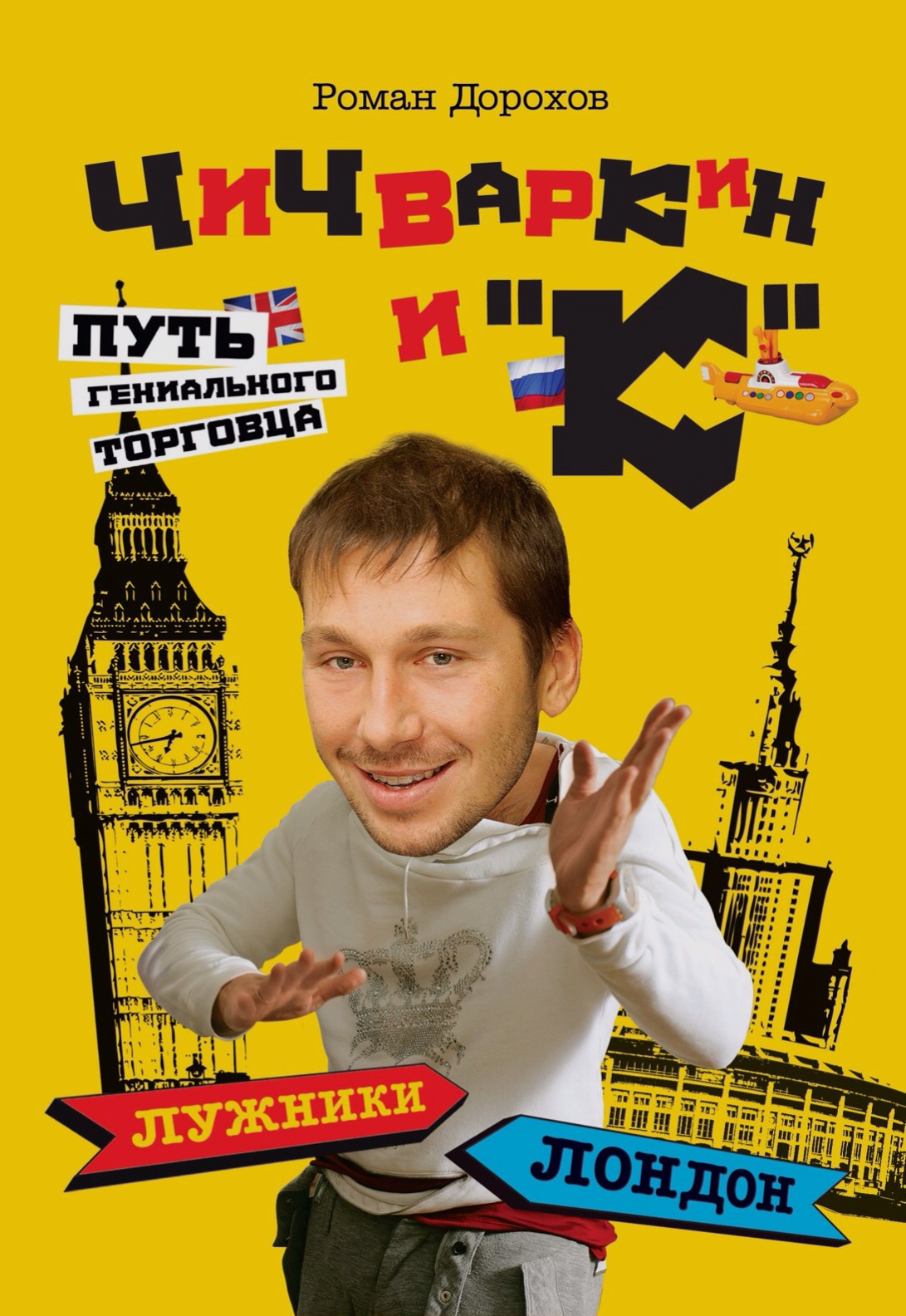
Posted: January 10, 2014 | Author: no mires debajo, eh | Filed under: Books, Documentary, Non-fiction | Tags: Books, Business, Evgeny Chichvarkin, Roman Dorokhov, Russian |
Если
автобиография Тинькова, несмотря на легкий привкус дирола, все-таки реальная книжка, то эта вот биография мистера Ч, по сравнению с ней, так просто упаковка кислотно-желатиновых мишек корейского производства, после полпачки которых начинаешь думать: зачем я так?
Вкратце – статья в журнале Forbes Russia, растянутая в двадцать раз, написанная автором этого самого журнала Forbes.
Прекрасная жвачка для моего мозга, но не более того.
=======
На инаугурации Чичваркин подарил Медведеву свои любимые книги – трехтомник «Атлант расправил плечи» Айн Рэнд. Раньше он уже дарил «Атланта» Медведеву на день рождения, поэтому, живя в Британии, надеялся, что президент их прочитал хотя бы раз.
=======
P.S. А вот интересно, прочитал ли? В переводе другого мегаритейлера Костыгина
Posted: January 8, 2014 | Author: no mires debajo, eh | Filed under: Books, Non-fiction | Tags: Books, Business, Oleg Tinkov, Russian, Tinkoff |
А так уж сложилось, что для меня лучшим расслаблением мозга является чтение бизнес-биографий. ЛитРес, из интересного мне, предлагал биографии Тинькова и Чичваркина, я купил обе – ну а начал с ОТ, прежде всего, по причине того, что IPO TCS было вот только что, а книге три года – интересно было сравнить ожидания ОТ трехлетней давности с реальностью прошлого квартала. Мое ощущение – такого размаха банка ОТ и сам не ожидал.
В целом, человек интересной судьбы с интересной книжкой, которую я сгрыз как пачку семечек, быстро и за обе щеки. Не так трагично и геройски, конечно, как у
Лимонова, но не всем же через огонь и воду в буквальном смысле слова ходить.
Worth reading, for sure. Хоть я и не со всем согласен, но хорошая, весьма хорошая книга.
P.S. Это вторая книга уже, после Слона, в которой идет речь о Вале М. (точнее, эта первая, Слон вышел после нее). Валя – it seems you are a total celebrity! ))
P.P.S. Как известный антисталинист, вставлю-ка я цитату из ОТ, с которой я согласен на 146%.
В декабре 2000 года было принято решение о возврате советского гимна. Ельцин выступил против него, но Путин решил, что гимн должен быть на музыку Александрова. Михалков написал новые слова. Если раньше он восхвалял в тексте Ленина и Сталина, то теперь вспомнил про Бога. Как может один человек быть таким противоречивым – не знаю. Я считаю, что возврат советского гимна – это точка, после которой страна пошла назад, стала приближаться к Советскому Союзу, этой империи зла. В 1990-х при Ельцине были заложены основы свободного общества, а теперь эта свобода ушла. Тревожит меня и отношение общества к Сталину. Многие пытаются его обелить, хотя тут двух мнений быть не может – этот человек угробил кучу русских и достоин только проклятий, а не восхвалений. А Победу 1945 года русский народ одержал не благодаря, а вопреки Сталину.
Posted: October 27, 2013 | Author: no mires debajo, eh | Filed under: Books, Documentary, Non-fiction | Tags: Books, English, Neil Strauss |
At the risk of being sandbagged by all of you, yes, I confess, I did read Neil Strauss's The Game. In my defense, my reasoning was three-fold:
(a) it's not the first Strauss's book I've read – hell, I've read Jenna's bio – so I know the guy can produce good chewing gum fictionalized bios, which I like – though I put his Manson's bio on hold, as it seems too outdated;
(c) right about the same time, mid July, Mr. Alex S, sitting in Le Club 55 in Saint Tropez, was telling everyone that the routines really work;
… so, when (b) and (c) kinda coincided in my time and space, I bought the book and put it in my kindle backlog.
Well, interestingly and unbelievingly enough, Mr. Strauss, who previously mostly ghostwrote rock and porn stars, decided to make a total star of himself. Not sure how much in the book is life and how much is fiction, but if it's all life, man, he did a hell of job!
As the story goes, Neil joined a secret internet community of pick up artists, i.e. guys that know how to get the girls date 'em and break down seduction techniques down to routines and social science – and excelled at the game. It resulted in his transformation into the Master pick up artist, who later co-founded a sort of “Fight Club” of pick up, based in L.A. and called Project Hollywood. Whoa, un-frigging-believable.
Just to add some flavor – Miss Courtney Love couchsurfed Project Hollywood for weeks, if not months – so, yeah, this book is a modern Cinderella story – how the ghost writer journalist becomes a total Casanova.
All in all, an interesting read – wouldn't say, for all of you AFCs out there (google the term yourself), that this book is very instrumental in the game of pick up – but I'm pretty sure much more solid step-by-step advice can be found in the satellite products Mr. Strauss, a now turned Tim-Ferriss-styled businessman, published as follow up. Enjoy!
Posted: August 25, 2013 | Author: no mires debajo, eh | Filed under: Books, Non-fiction | Tags: Books, Evgenia Belonoschenko, Russian |
[This page has been left blank intentionally]





 nomiresdebajodelacama