Метель Владимира Сорокина
Posted: April 15, 2013 Filed under: Books, Fiction | Tags: Books, Russian, Vladimir Sorokin, Zombie Leave a comment
Три проблемы – дороги, дураки и зомби.
Сорокин, конечно, молодец, живой классик, точно. Оторваться невозможно, ну никак. Интересно, будет ли он лет через сто в школьной программе? Или по-прежнему – Туся Ростова и Женечка Онегин токмо? Ну, в придачу к основам православия нашего наставника духовнаго и лидера воцерковленной великорусской маладежи монсиньора Кур-Кураева. Ох, чую, будет другая сорокинская сказка былью скоро – э-ге-гей, опричнички, конец серой смуты недалече.
В общем, я явно недобрал книжек сорокинских по молодости – вот и догоняюсь по чуть-чуть. Что дальше? Хм.
=====
– Господи, это ж кладбище… – выдохнул Перхуша, натягивая вожжи.
– Кладбище? – стал яростно протирать пенсне доктор.
– Кладбище, – повторил Перхуша, спешиваясь.
– А где ж село? – пробормотал доктор, пялясь на покосившиеся кресты, вокруг которых словно в насмешку плясала и завивалась метель.
– Чаво? – согнулся от ветра Перхуша.
– Где село?! – закричал доктор с ненавистью к метели, кладбищу, к дураку и ротозею Перхуше невесть куда заехавшему, к своим мокрым, мерзнущим в сапогах пальцам ног, к тяжелому, облепленному снегом пихору, к дурацкому самокату с дурацкой расписной спинкой и дурацкими карликовыми лошадьми в дурацком фанерном капоре, к проклятой эпидемии, занесенной в Россию какими-то сволочами из далекой, богом забытой и ни одному русскому человеку к чертям собачьим не нужной Боливии, к ученому проходимцу и резонеру Зильберштейну, выехавшему раньше на почтовых и не подумавшему о коллеге, докторе Гарине, а озабоченному только своей карьерой, к этой бесконечной дороге, окруженной сонными сугробами, со зловеще струящейся поверху змеей-поземкой, к этому беспросветному серому небу, худому, как решето, глупой, лыбящейся масляннороже, лузгающей семечки на завалинке бабы, небу, беспрестанно и беспрерывно сеющему, сеющему и сеющему эти проклятые снежные хлопья.
Все мои уже там Валерия Панюшкина
Posted: April 13, 2013 Filed under: Books, Fiction | Tags: Books, Russian, Valery Panyushkin Leave a comment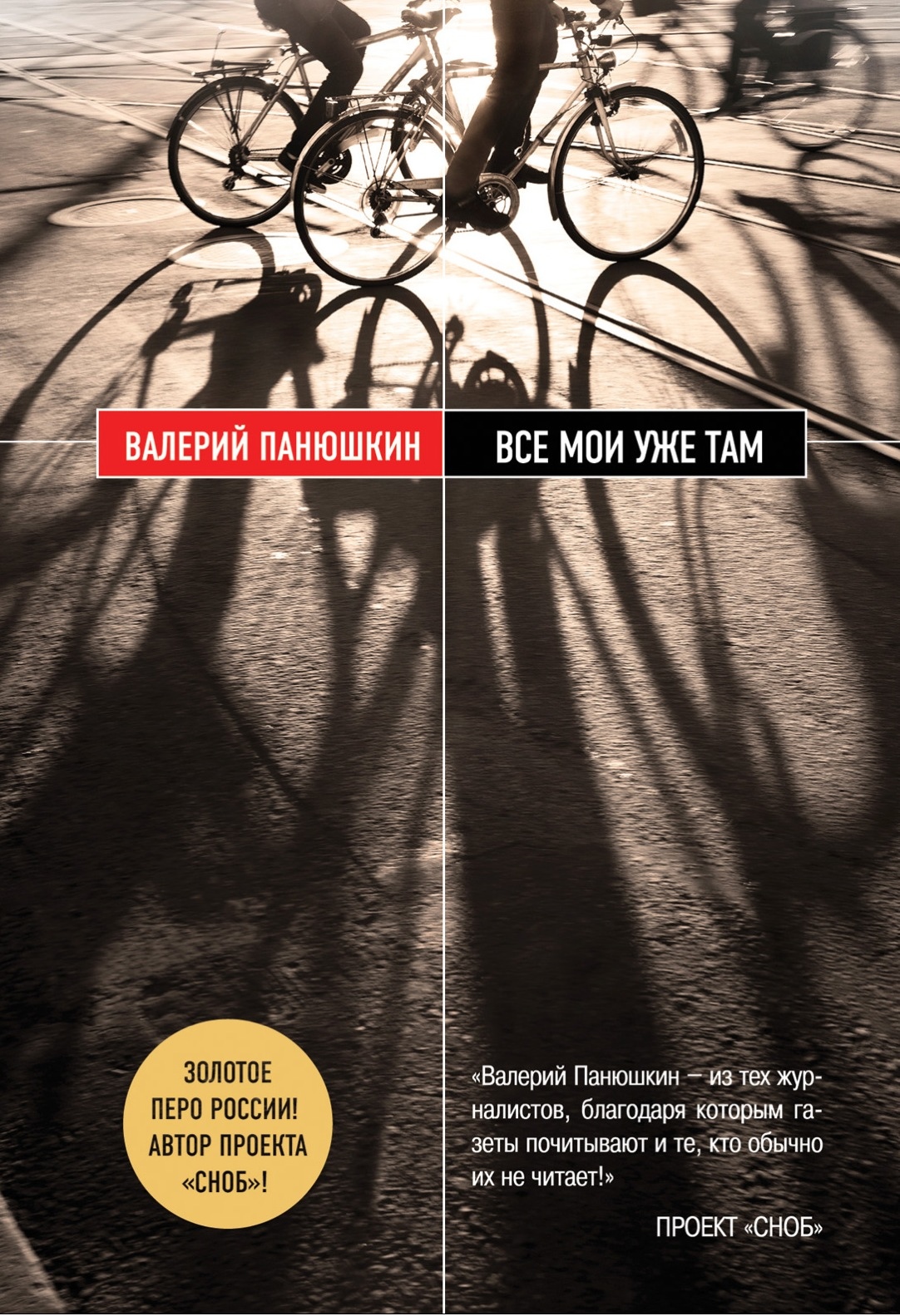
Романтическая повесть Панюшкина – а иначе, как романтической повестью, сие произведение назвать сложно – так вот, романтическая повесть Панюшкина весьма ничего. Читается быстро, легко, можно сказать, на один зубок, щелк-щелк-щелк, как орешек белочка.
Сперва кажется, правда, что это и не романтическая повесть вовсе, а, подобно кашинским антиоколонулевым детям из нашистского эксперимента, в меру злобная сатирка на наше житие-бытие. Роисся вперде número dos.
Но нет-таки. Панюшкин лирик, а циник в нем так, для виду, кажется. Ему приятнее про любовь, морковь, детство, отрочество, юность, а не жемчужных прапоров и редакторов глянца. Все эти атрибуты и символы – хипстеры, випстеры, радикальные художники, маккаланы и поршики turbo s – это лишь система координат, фон, а то и задник холста, а реальная начинка, мясо, так сказать – ох, это про душу, а не про тело, и за веселеньким русофобом прячется русофил и почвенничек.
Ну да ладно. Прочитать можно. Щелк-щелк, как белочка.
======
– Скажите, Анатолий, а у вашей бабушки была Библия?
– Не, Библии не было. Евангелие было и Псалтырь. Самописные. – Толик встал из-за стола, собрал тарелки, подошел к раковине и принялся медлительно мыть посуду.
– Как это самописные? – Я включил кофейную машину, и нам пришлось переждать, пока отшумит кофейная мельница.
– Ну, так. От руки написанные. Бабка-то рассказывала, что церковь у нас сожгли. И все книги. Вот кто что помнил наизусть, тот то и записывал. Псалмы там… Нагорная проповедь… Девять заповедей…
– Десять заповедей, – автоматически поправил я.
– Не знаю, – Толик пожал плечами и поставил последнюю вымытую тарелку в шкаф. – Может, и десять. У бабки в Евангелии было девять. Забыли, может, одну.
The Walking Dead #109 by Robert Kirkman, Charles Adlard and Cliff Rathburn
Posted: April 13, 2013 Filed under: Books, Comic | Tags: Books, English, Robert Kirkman, Zombie Leave a comment
Emmm. Nothing to report.
End the Fed by Ron Paul
Posted: March 31, 2013 Filed under: Books, Non-fiction | Tags: Books, English, Libertarian, Ron Paul 2 Comments
Out of US presidential candidates, Ron Paul is my obvious pick. Smart, thorough, libertarian to the bone. A vivid supporter of sound money and less intrusive state, something that really doesn't fly in today's America.
This book is all-out rage against the Fed a.k.a. the US central bank, and all central banks in general. A strong believer in gold standard, Congressman Paul rightfully says that printing fiat money out of thin air allows the State to grow exponentially, limit personal liberties, take a socialist-fascist-corporatist-you-name-it turn, act unreasonably, and fund pricey wars.
And all of this, at the expense of an ordinary citizen, whose savings are literally stolen through inflation. In a sense, central banking is no different from counterfeiting – does it really matter who prints the new shiny bills, if your money loses in value? Well, turns out quite few people want to see this link between lost savings and Fed policy – a good example in my previous post.
Anyway, it's an easy 200-page read that sums up many concepts that I hold dear to my mind heart. Well, who is John Galt Ron Paul?
Imagine an irresponsible teenager with an unlimited line of credit. The parents, teachers, pastors, and authorities in his life are ultimately powerless to change his habits. Now imagine that teenager armed to the teeth and also immune even from the rule of law. That is what we have with a government backed by a central bank.
======
Following creation of the Fed, the government would discover other uses for an elastic money supply aside from keeping the banking system from defaulting on its obligations. It would prove useful in funding war. It is no coincidence that the century of total war coincided with the century of central banking. When governments had to fund their own wars without a paper money machine to rely upon, they economized on resources. They found diplomatic solutions to preven war, and after they started a war they ended it as soon as possible.
======
Greenspan’s claim, in an answer to one of my questions, was that the central bankers essentially had become smart enough to achieve all the benefits of the gold standard without its limitations. Of course, it’s the limitations that are so valuable, and the reason the gold standard is so important to a free society. These thoughts he stated brilliantly in his own historic article, “Gold and Economic Freedom”:
In the absence of the gold standard, there is no way to protect savings from confiscation through inflation. There is no safe store of value. If there were, the government would have to make its holding illegal, as was done in the case of gold. If everyone decided, for example, to convert all his bank deposits as silver or copper or any other good and thereafter decline to accept checks as payments for goods, bank deposits would lose their purchasing power and government-credited bank credit would be worthless as claims on goods. The financial policy of the welfare state requires that there be no way for the owners of wealth to protect themselves.
This is the shabby secret of the welfare statists’ tirades against gold. Deficit spending is simply a scheme for the confiscation of wealth. Gold stands in the way of this insidious process. It stands as a protector of property rights. If one grasps this, one has no difficulty in understanding the statists’ antagonism toward the gold standard.
According to his own logic, Greenspan had simply become a statist.
Harvey Pekar’s Cleveland, illustrated by Joseph Remnant
Posted: March 30, 2013 Filed under: Books, Comic | Tags: Books, Cleveland, English, Harvey Pekar, Joseph Remnant, Ron Paul 1 Comment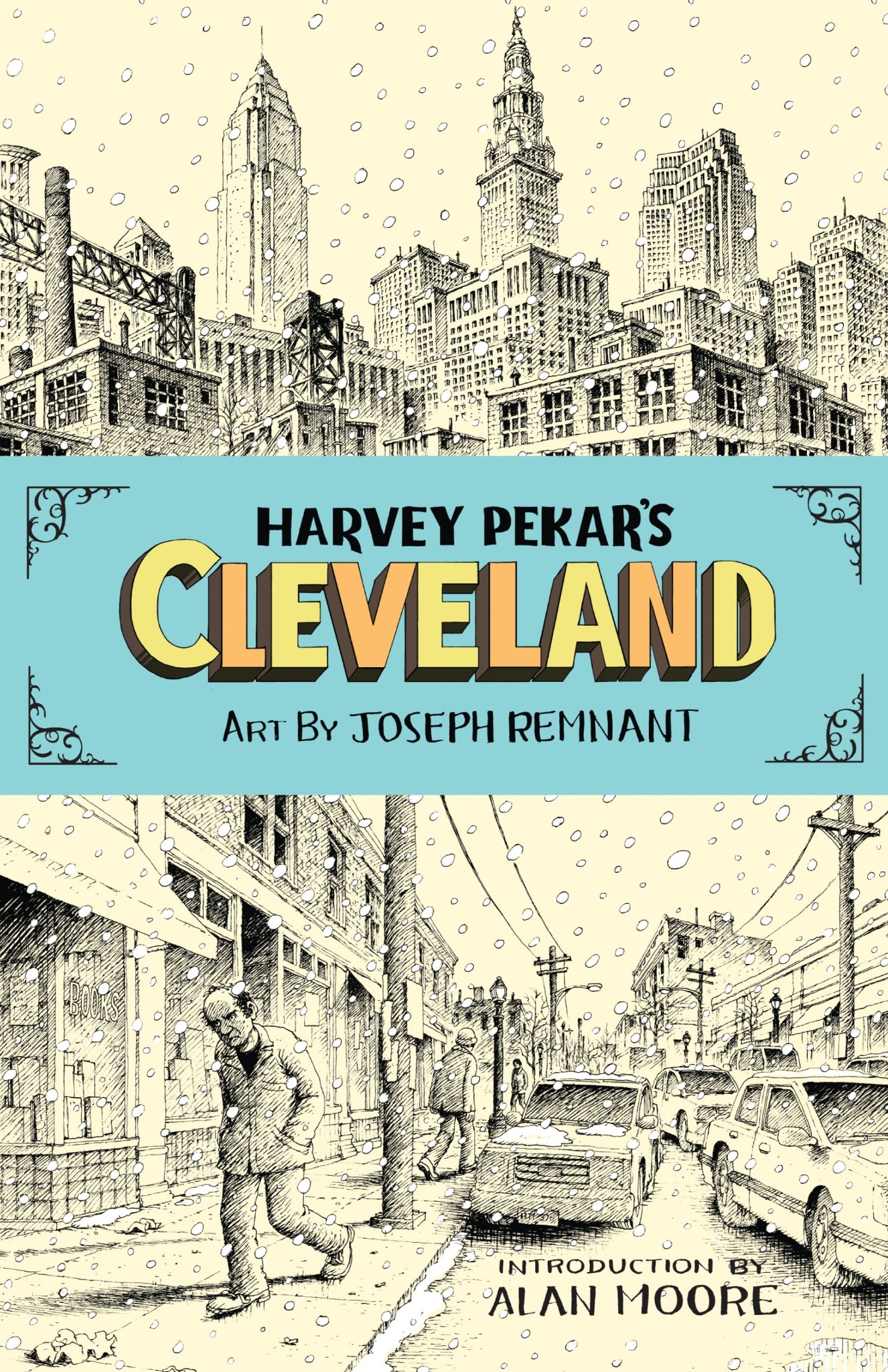
It's been a while since I read American Splendor, a while since I saw the movie. Not a huge fan of Harvey's, but given that he passed away in 2010, decided to read his last book.
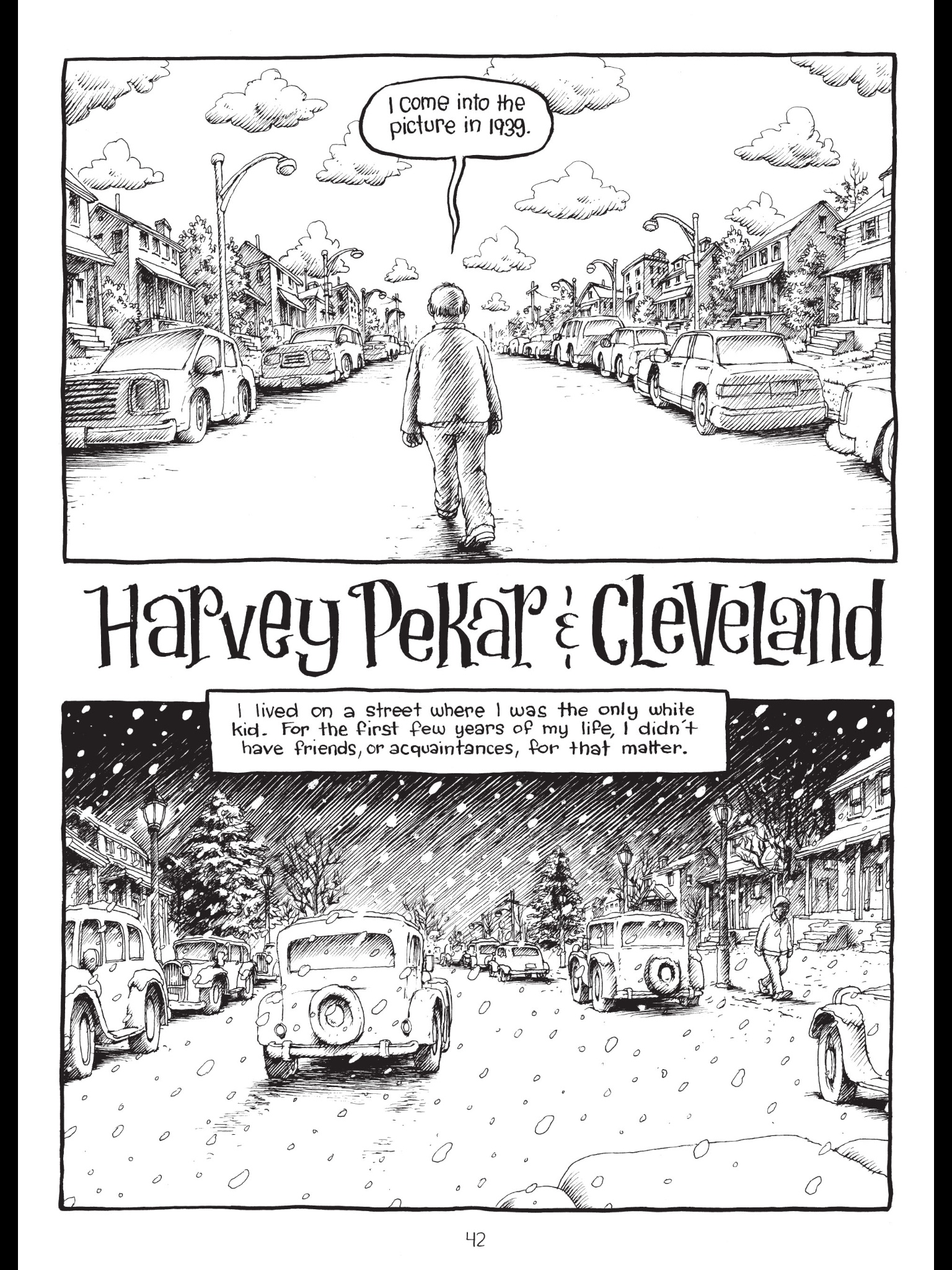
Never been to Cleveland, probably never will be – for me, it's just a cityname with no strings attached to it. Much more for Harvey, I guess, even though he doesn't sound mad about it.
The book feels like it was written by an old fellow, tired and weary. Well, Harvey has never been a raving optimist. First he spills some city history (still don't get why), and then gives some bits of his life on fast forward.
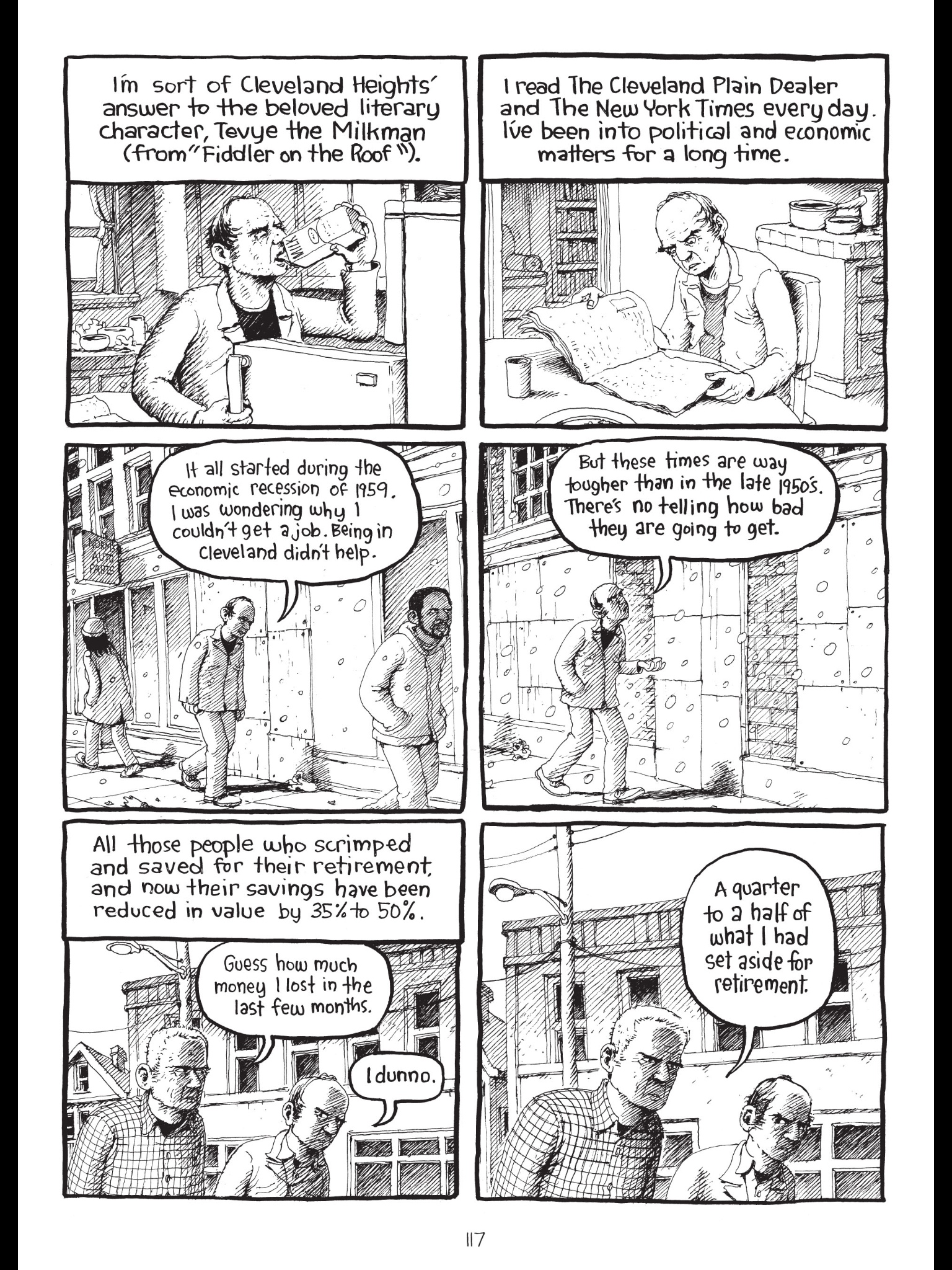
The most interesting thing about the book though, in yours truly humblest opinion, are his whinings about the depreciating dollar and a working man's savings lost. Here, miraculously, Harvey is fully aligned with the honorable Ron Paul, whose End The Fed manifesto I am reading in parallel. The libertarian economist and a hospital clerk are pissed about the same thing – nasty inflation that steals people's savings and makes retirement a scary thing (picture 4).
In his solution (picture 5), though, Harvey deviates from the renowned GOP candidate and comes to a crooked conclusion – instead of advocating for sound money, he places vain hopes in Monsier Obama and in new taxes – taxes spent by the “yes, we can” president in a way that does little but pumps the inflation spiral further. Oh well, what would you expect – ordinary men tend to like the idea of socialism, wrongfully, as they will be paying for it as well.



Werewolves of Montpellier by Jason
Posted: March 17, 2013 Filed under: Books, Comic | Tags: Books, English, Jason Leave a comment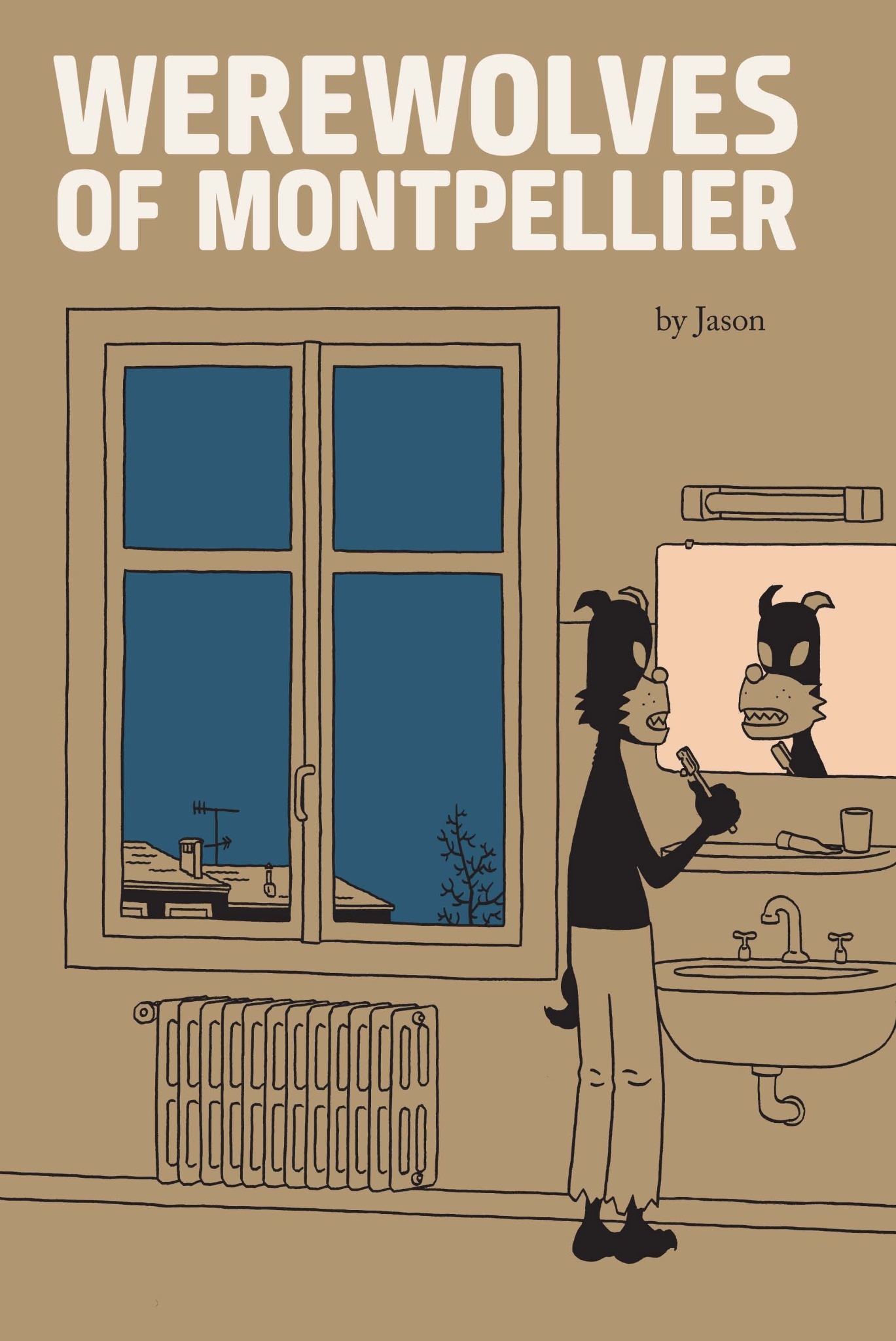
I know this blog gets more and more skewed towards comic books – simple reason is – I watch too many US TV shows to read proper books, sadly.
Yet another strange story by Jason, a not too scary one about werewolves in South France coupled with his cynical remarks about the great nation of Gerard Depardieu and the rest.
Not too funny, but acceptable. Only 50 pages long – that's its crucial key investment highlight that they should list on comiXology. Um.
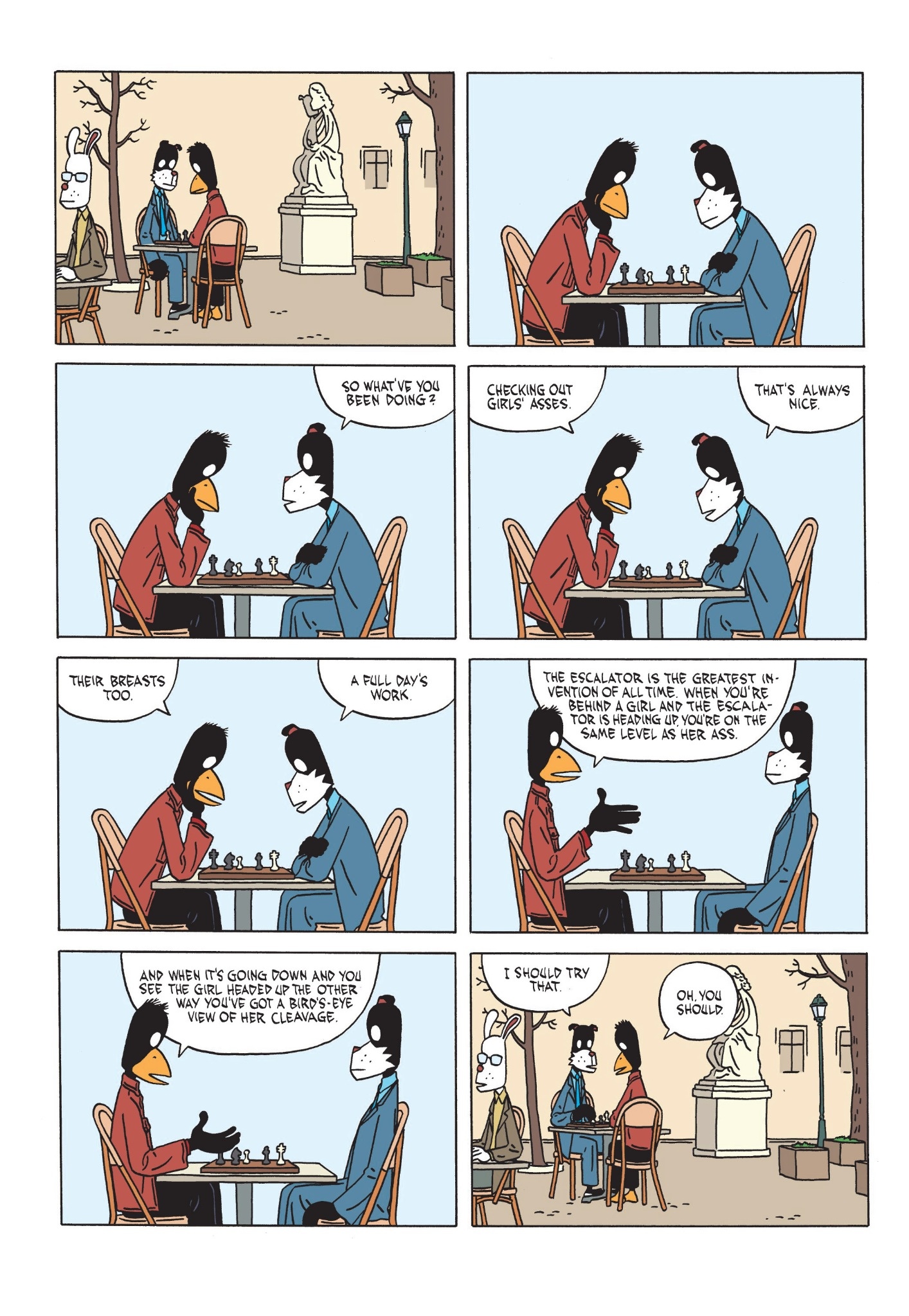
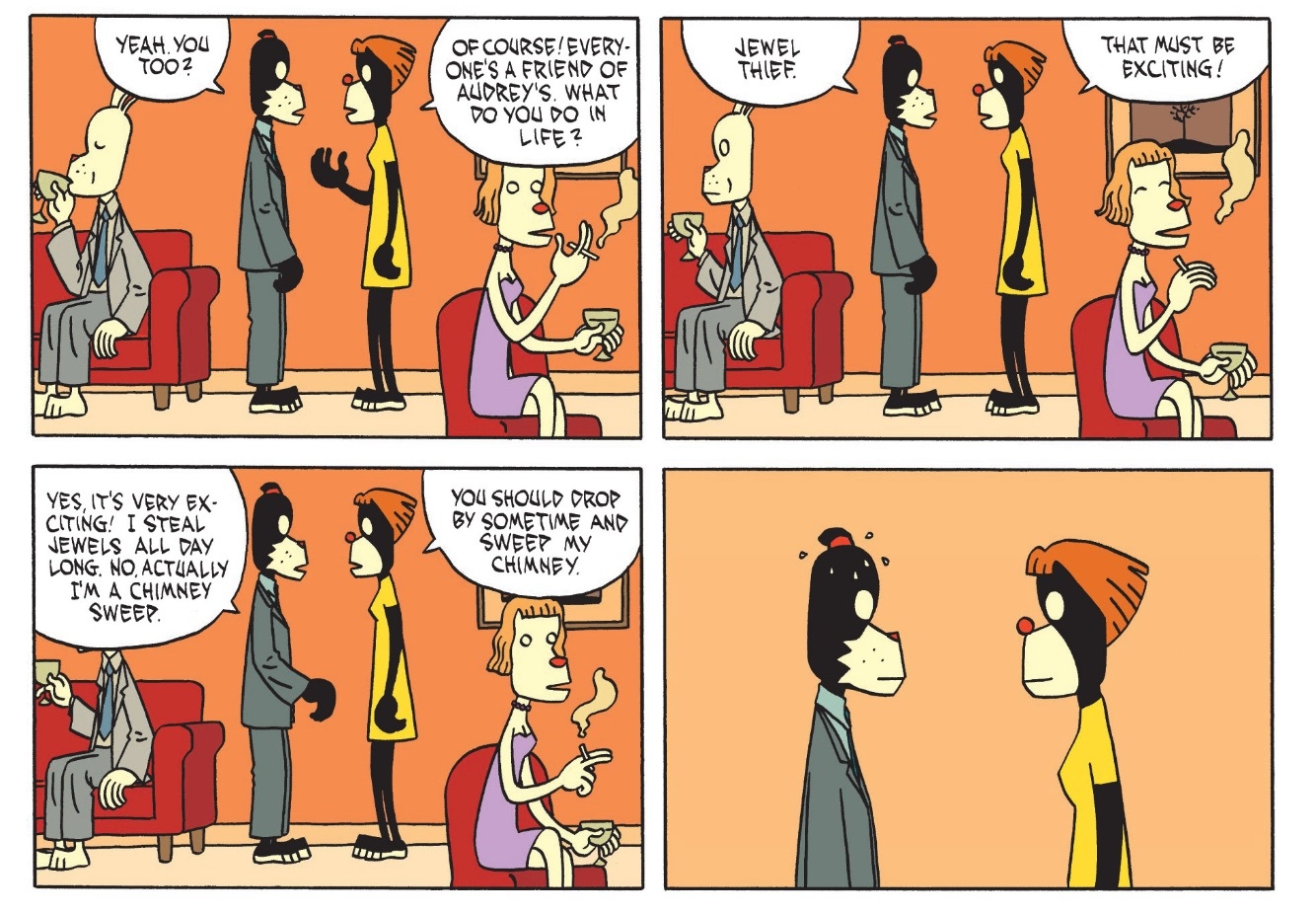
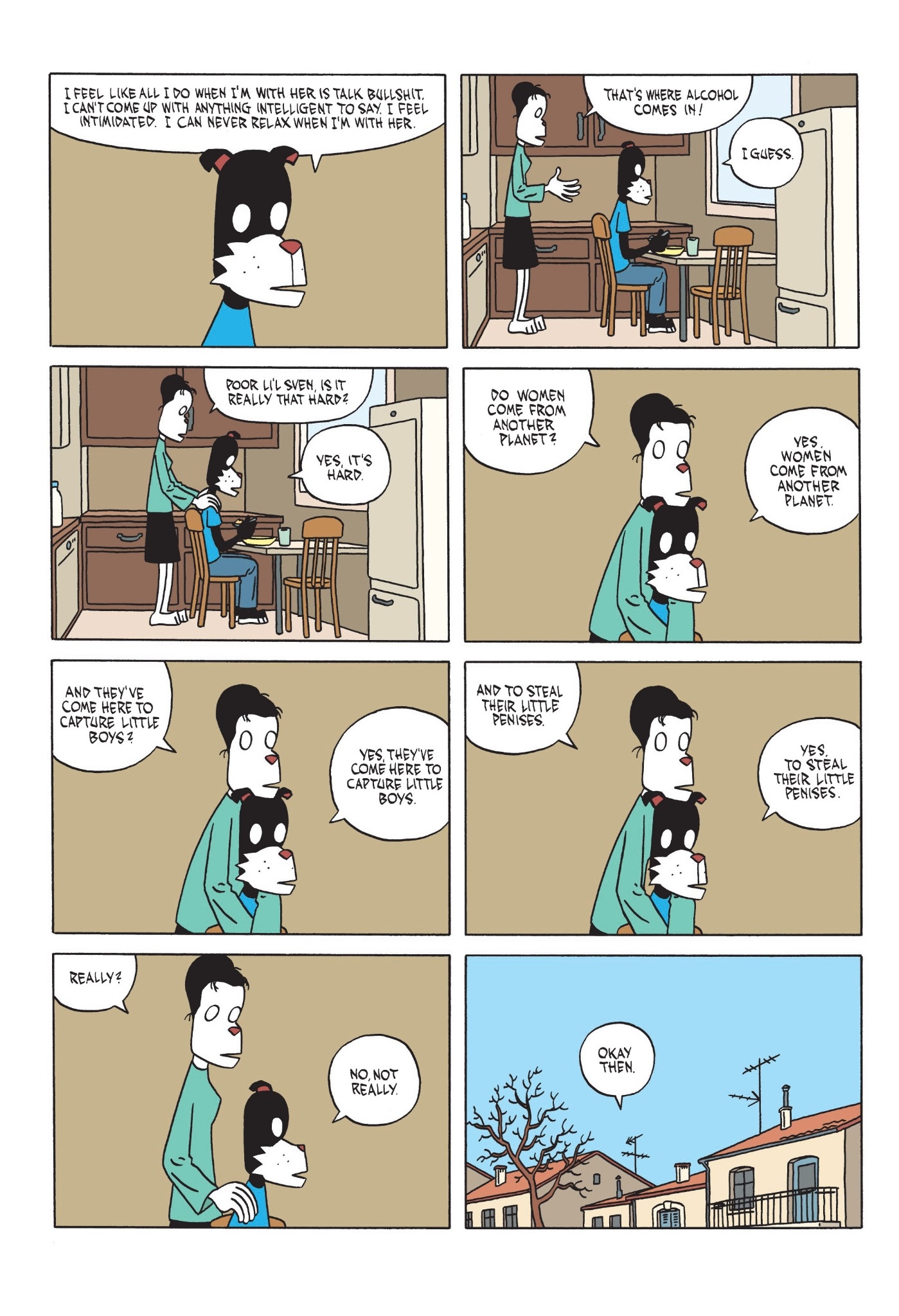

The Story of O adapted by Guido Crepax
Posted: March 16, 2013 Filed under: Books, Comic | Tags: Books, English, Guido Crepax, Pauline Reage, Submission Leave a comment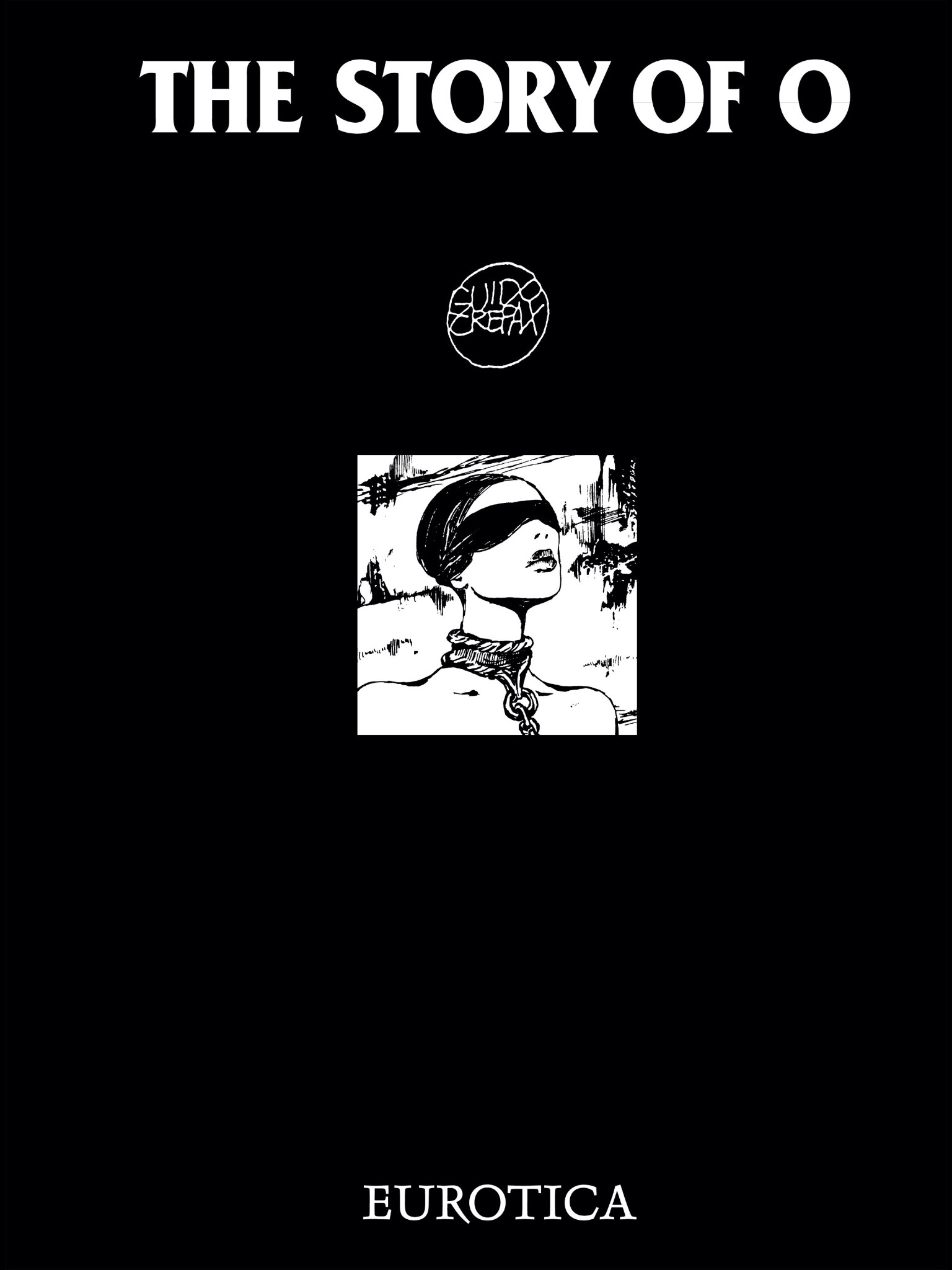
Browsing through comiXology bookstore directly on website, I realized that uncle Stevie is still censoring our stuff, even from his grave.
Guido Crepax's 1975 comic book adaptation (comiXology calls it “classic”) of a well known 1950s novel on female submission was something I stumbled upon filtering the store by books issued by NBM publishing.
Surprised that it didn't pop up in the graphic novels section directly on my ipad (damn, the selection is so tiny still, maybe 40 titles or so), I tried searching for it in the search line and via NBM publishing filter – and no, it simply doesn't show up on ipad. Censored out by Apple, huh. I'm pretty sure these folks would have thought zero seconds about cutting out the penises from Ancient Greek statues, a 1991 Tin Machine II incident.
I managed to trick the system – if you buy it directly through the website, you can then restore and read it on your ipad – one-nil, Apple.
Despite 170 pages or so, it's a quick read, barely 30 mins or so – it doesn't have too much talking, huh, if you get my drift ;-))) Drawn nicely, much less graphic than you would expect – still, naw, I ain't going to post screenshots this time, oh, no, sir.
And I still wonder why roughly 65 million ladies around the globe bought 50 Shades of Grey and not The Story of O. Pauline Reage is like Dostoevsky compared to this grey pulp.
The Walking Dead, vol. 108 by Robert Kirkman, Charlie Adlard and Cliff Rathburn
Posted: March 15, 2013 Filed under: Books, Comic | Tags: Books, English, Robert Kirkman, Zombie Leave a comment
A no-content volume. Uh-huh. Серия опять сдувается помаленьку. All the juices sucked out by the TV show, yeah.
I Killed Adolf Hitler by Jason
Posted: March 3, 2013 Filed under: Books, Comic | Tags: Adolf Hitler, Books, English, Jason, Science Fiction Leave a comment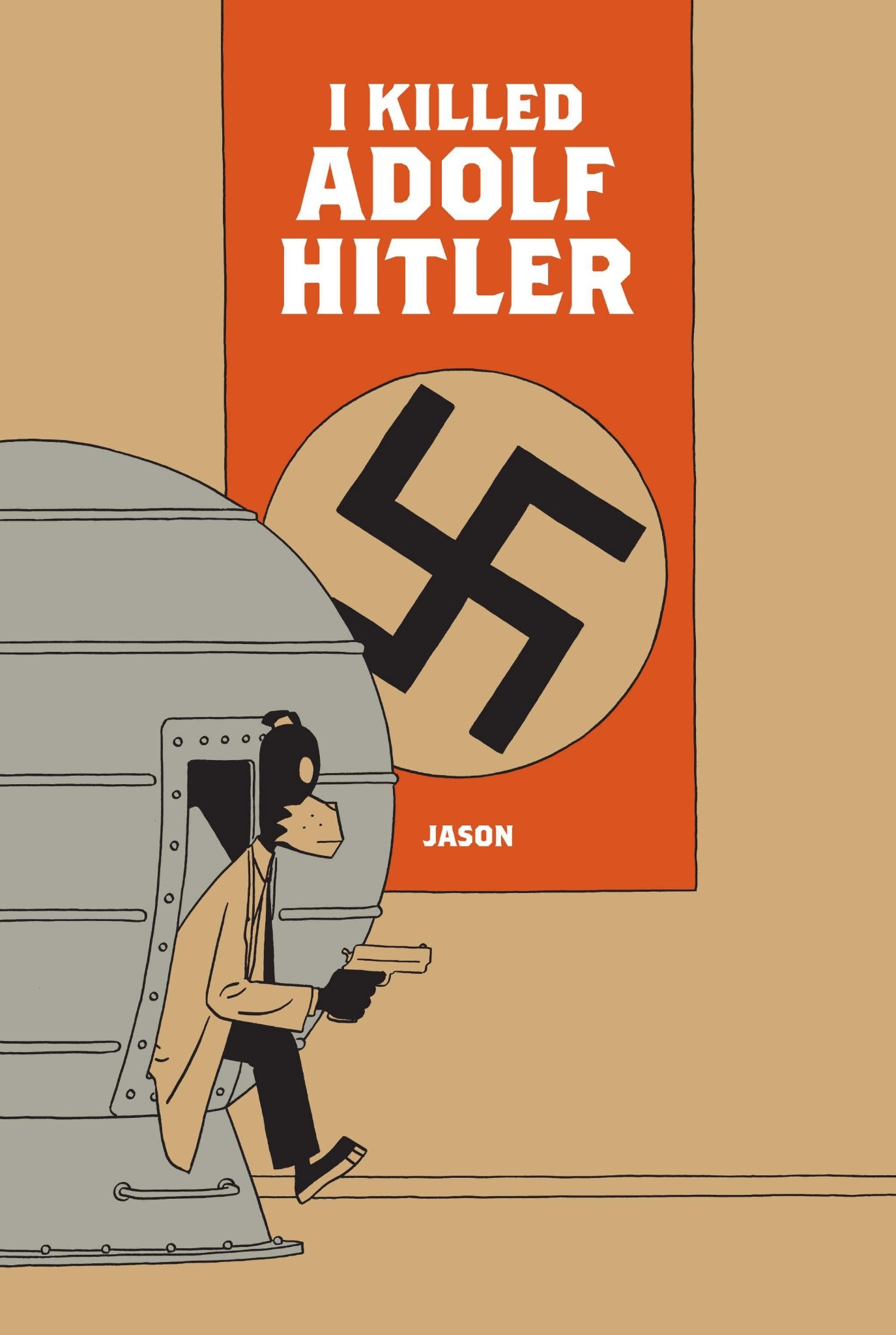
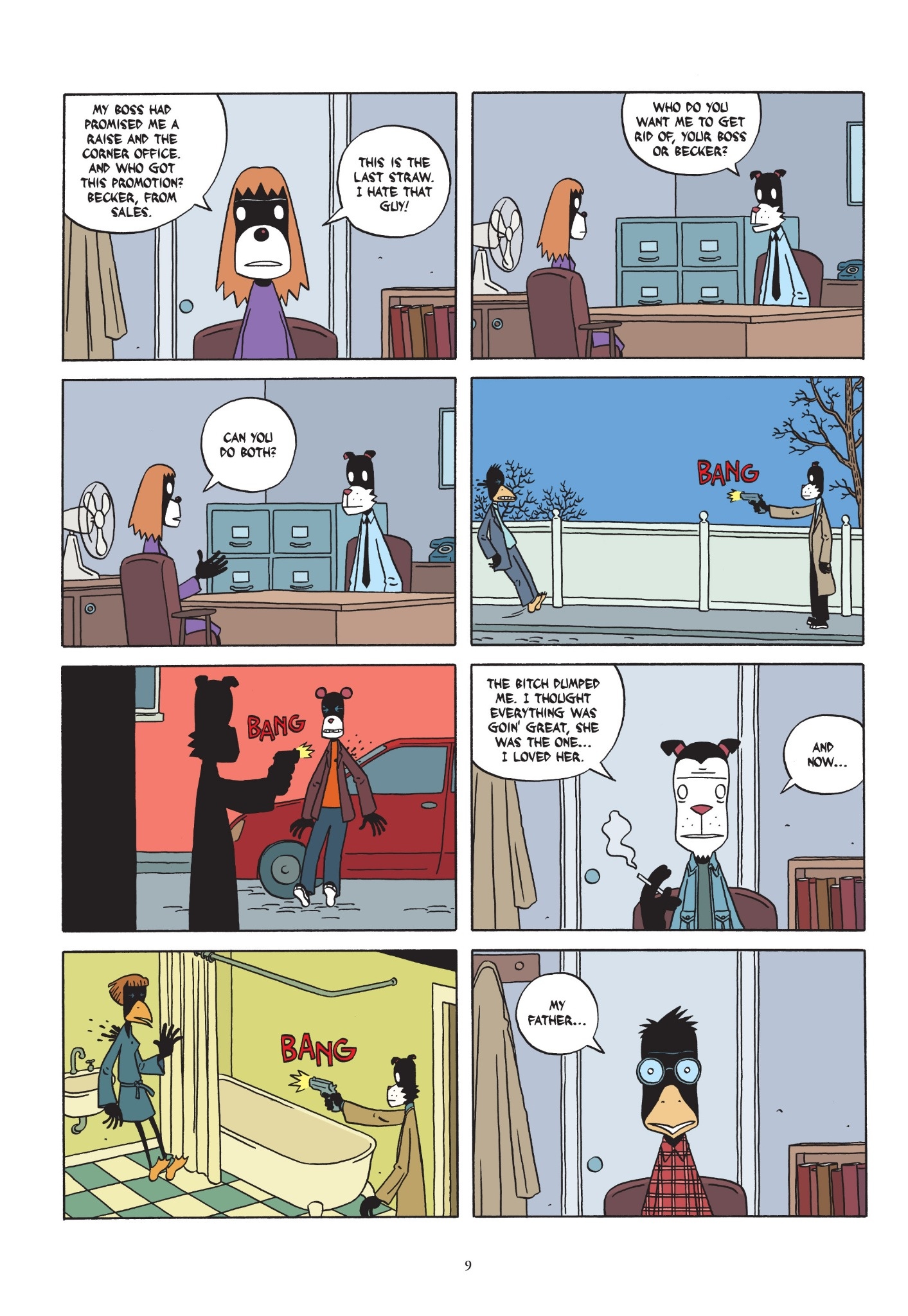
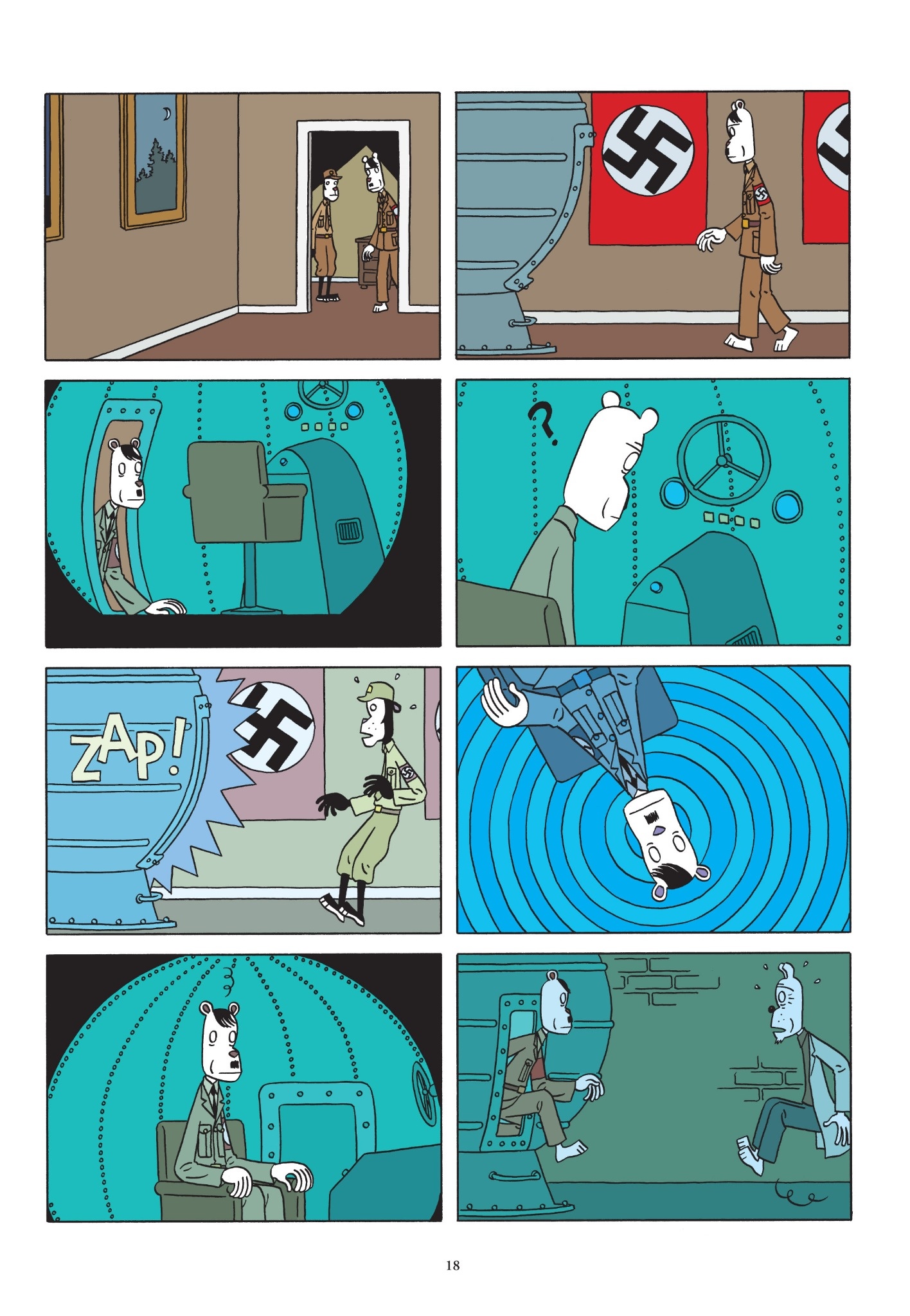
A short graphic novel on time travel, contract killing, and assassinating the Nazi kingpin himself. Again, great puctures, but of limited worth. Why?
(a) You don't get to say much in less than 50 pages, do you? Poor character development, huh.
and
(b) This is soooooo inferior to a brilliant and most funny Making History novel by Stephen Fry, published in 1996, dealing basically with the same subject, time travel and killing Dolfie. Yeah, that book rocked.
Still, a decent bathtub reading for 20 minutes or so.

The Coldest City by Anthony Johnston and Sam Hart
Posted: March 2, 2013 Filed under: Books, Comic | Tags: Anthony Johnston, Books, English, Sam Hart Leave a comment
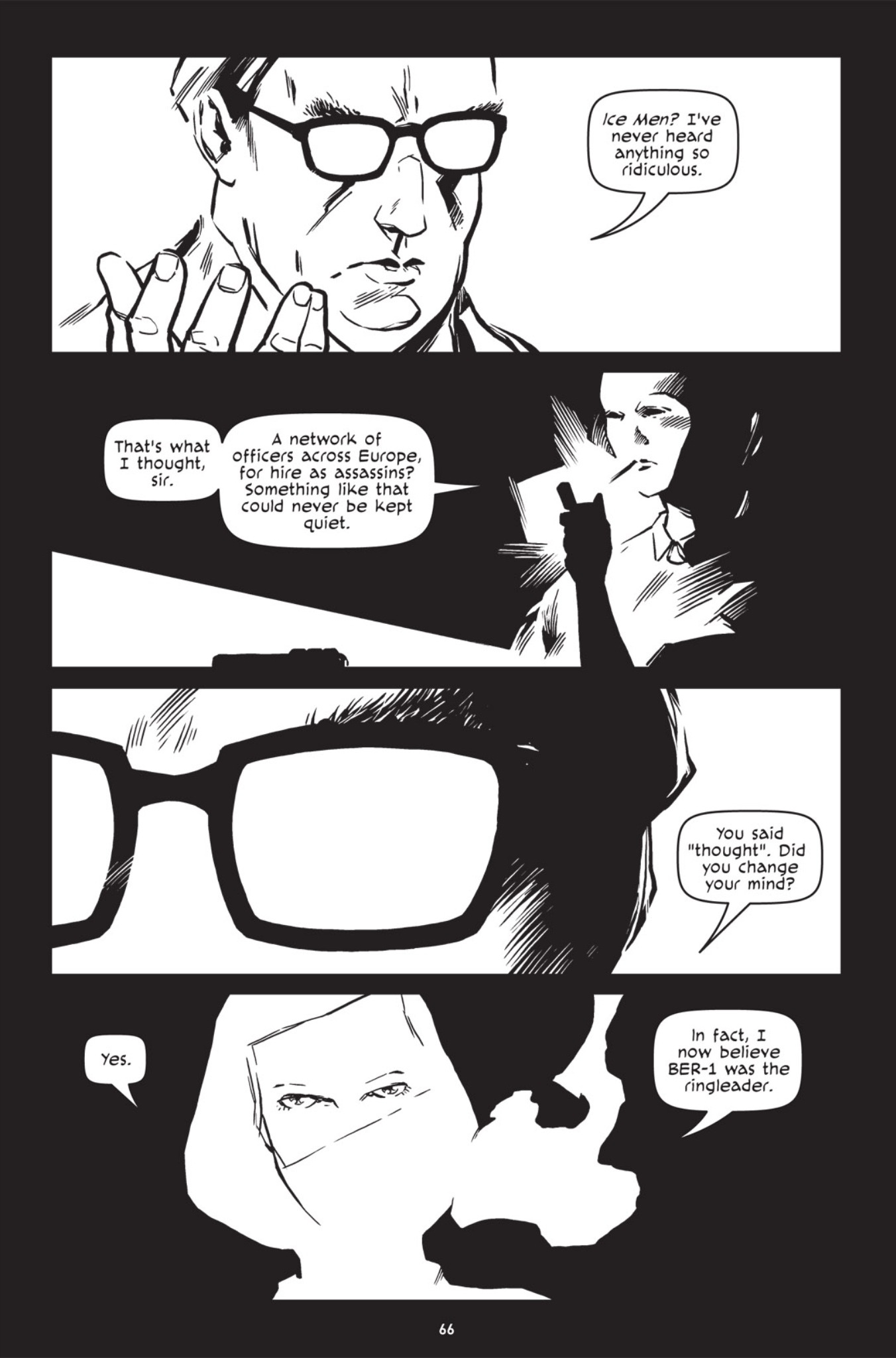
A Cold War spy novel about Berlin before and during the fall of the wall. Okayish, but nothing spectacular, really. Chewing gum indeed – and I fell asleep three times. Oh well, doesn't score much in my book – despite great drawing style. Tinker Tailor Soldier Sleeeeep.


 nomiresdebajodelacama