Street Smarts by Jim Rogers
Posted: April 28, 2013 Filed under: Books, Non-fiction | Tags: Books, English, Jim Rogers, Ron Paul Leave a comment
Loved it. Thoughtful, full of life and market insight, and good humor. I haven't read Rogers' previous books – maybe I will now – but for me, apart from the free markets libertarian background (most quite in line with Ron Paul, I would say), it made me think about children.
Rogers' bold move of moving his family to Singapore and putting his daughters to study Mandarin practically from birth makes you think whether English classes for your two year old are enough. Shall I put my children to study Mandarin as well? Hm.
Another thing – as a true value investor, he keeps thinking of how to invest in Myanmar and North Korea. In that discussion, he mentions Cuban real estate in a short paragraph. Given my well known love for La Isla de Libertad, and my bet that they will let the US in this or next decade latest, should I buy a piso or casa there? Puzzled and thinking. Hm.
If you were smart at the start of the nineteenth century, you made your way to London. If you were smart at the start of the twentieth, you packed up and moved to New York. If you are smart at the start of the twenty-first, you will find your way to Asia
They wanted to do what I did, they told me, and asked me what they should be studying. Study philosophy, I said, study history. No, no, no, they said, they wanted to work in the City; they wanted to be rich. If that were the case, I answered, they should stay away from the City, because it would soon be a backwater again. Finance is over, I told them. Study agriculture instead. If they wanted to be rich, I advised, they should all become farmers.
When governments run out of money, they do not stop spending. It was no different two thousand years ago than it is today. Politicians know no bounds. If Rome was running out of silver, if its economy was being mismanaged and it was running trade deficits, the only way to keep the good times rolling was to create more money. Think of Ben Bernanke in a toga. Adulterate the coinage, crank up the printing press – only the technology changes. Governments keep running out of money, and as long as that happens, bureaucrats and politicians will keep coming up with ways to create it.
“Those who would give up essential liberty to purchase a little temporary safety”, said Benjamin Franklin, “deserve neither liberty nor safety.”
Night Fisher by R. Kikuo Johnson
Posted: April 21, 2013 Filed under: Books, Comic | Tags: Books, English, R. Kikuo Johnson Leave a comment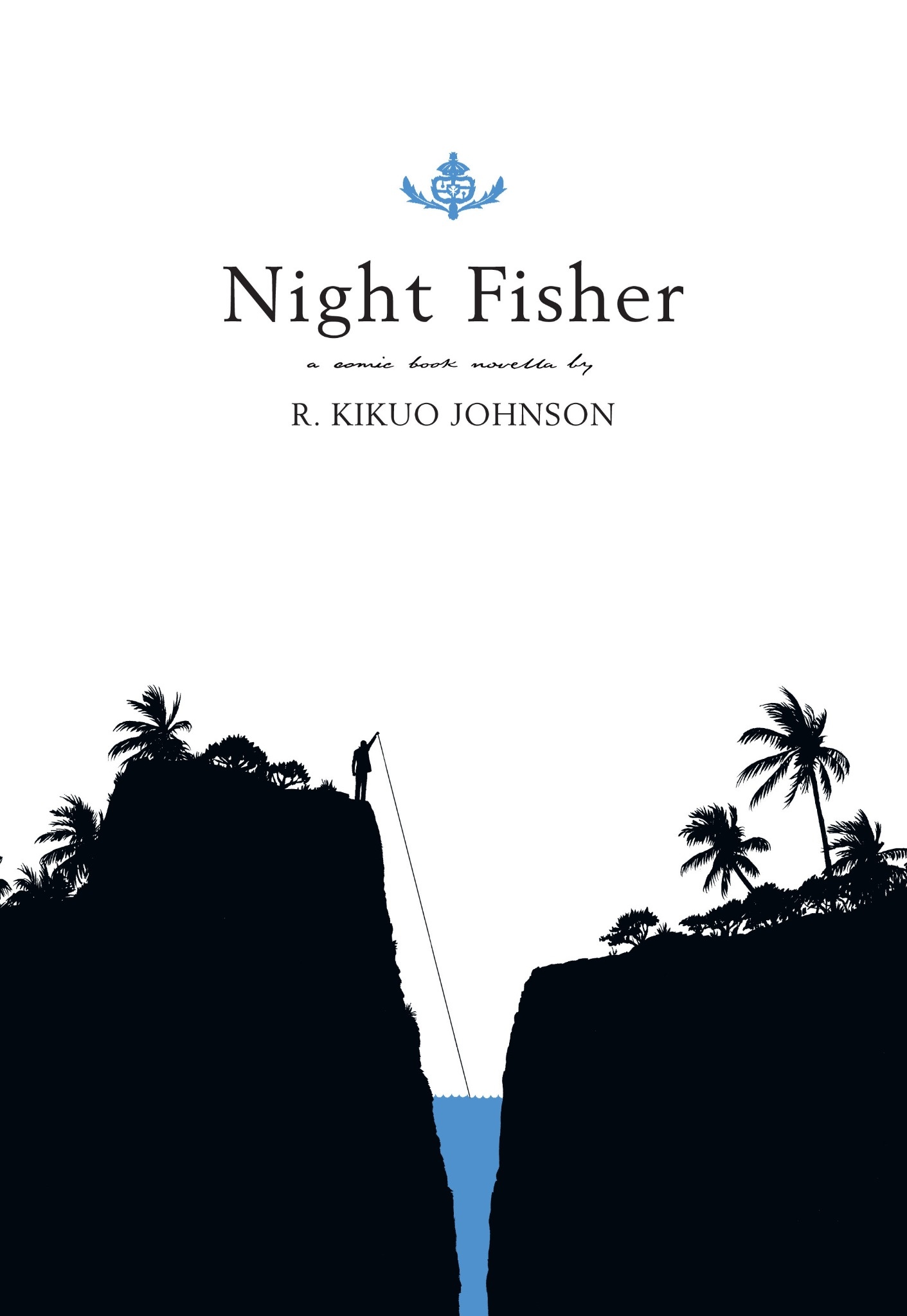
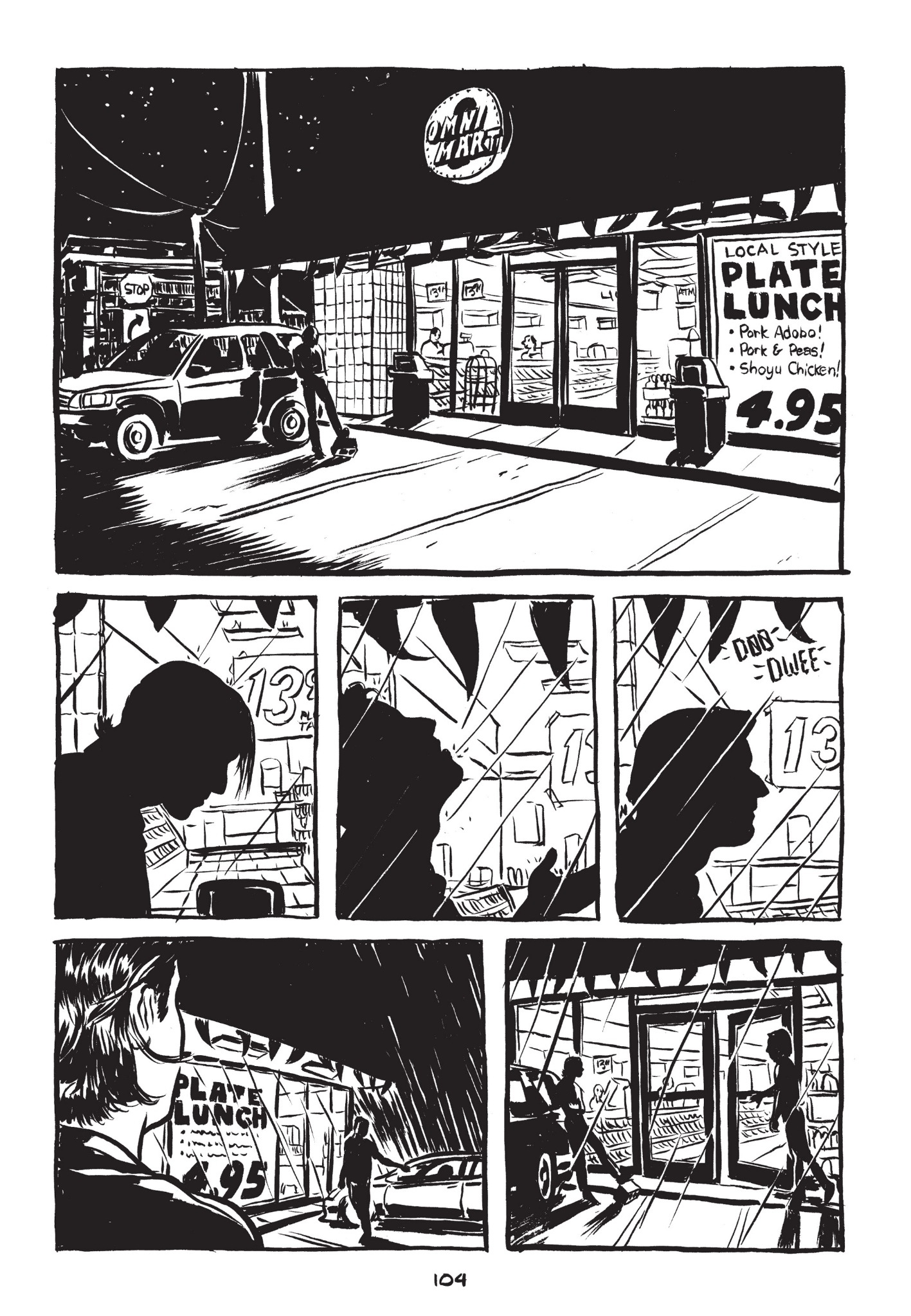
Night Fisher turned out to be a brilliant book, in a sense, a gem of its own kind. A fresh and subtle story about kids finishing high school in Hawaii, with all the temptations, insecurities and mistakes of adolescence in the spotlight.
Despite me reading it in an undeserving on-and-off manner, it left an aftertaste of something close to The Catcher in the Rye or Guy-Germanika's School, something I cherish a lot.
I liked it. Even worth re-reading it again in a while, I think. Well done, Hawaiian boy.


The Grave Robber’s Daughter by Richard Sala
Posted: April 18, 2013 Filed under: Books, Comic | Tags: Books, English, Horror, Richard Sala Leave a comment
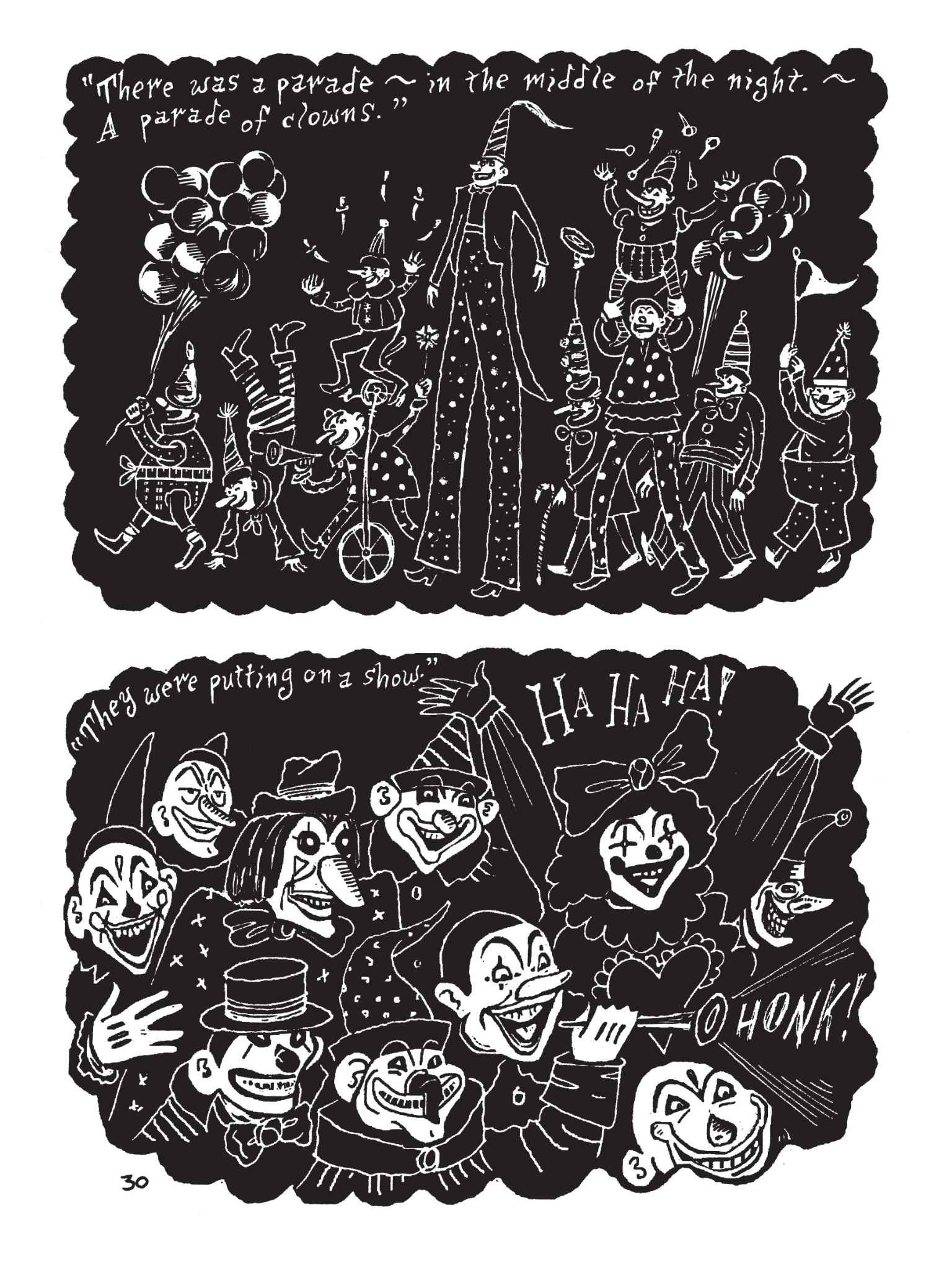
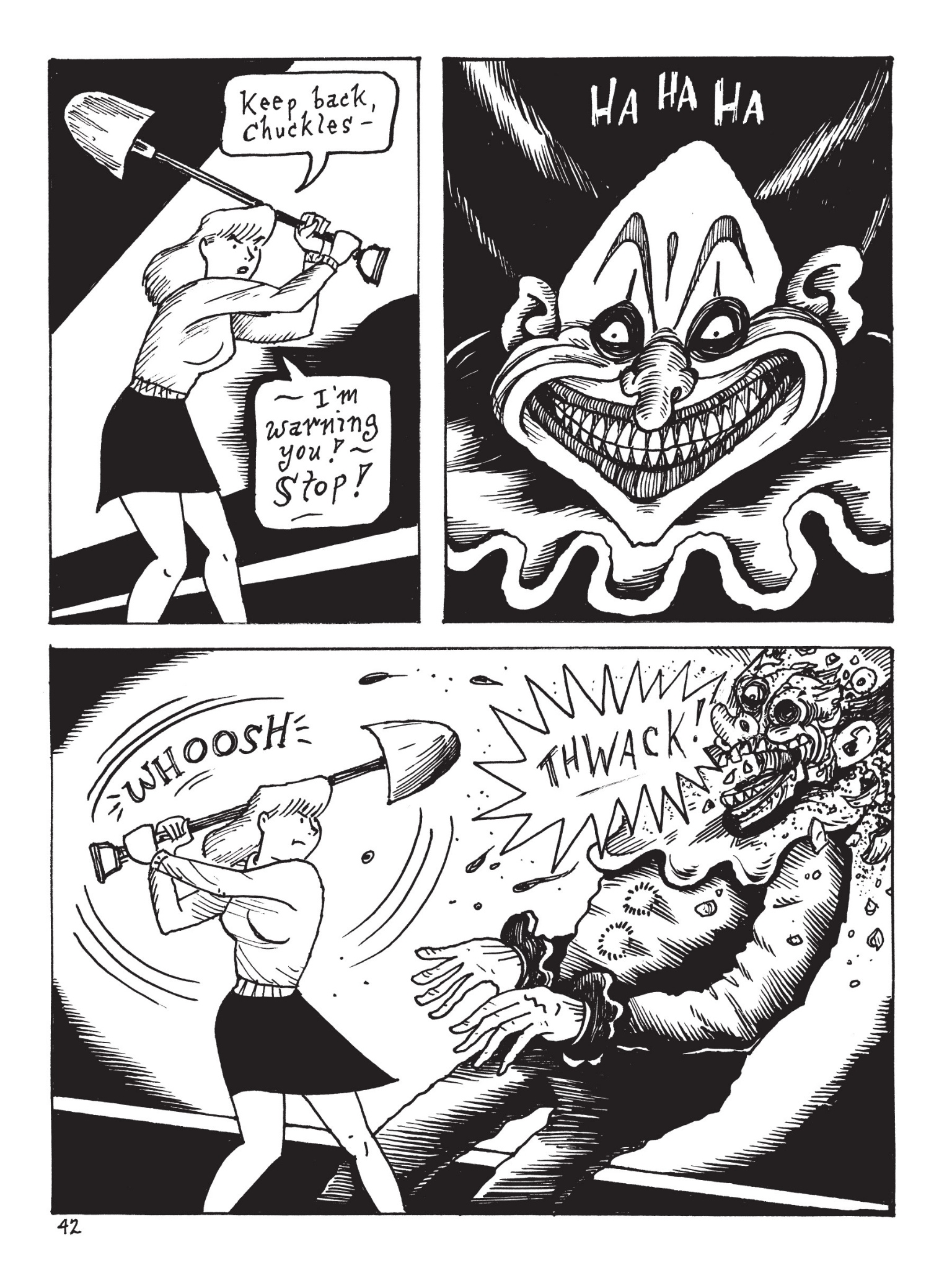
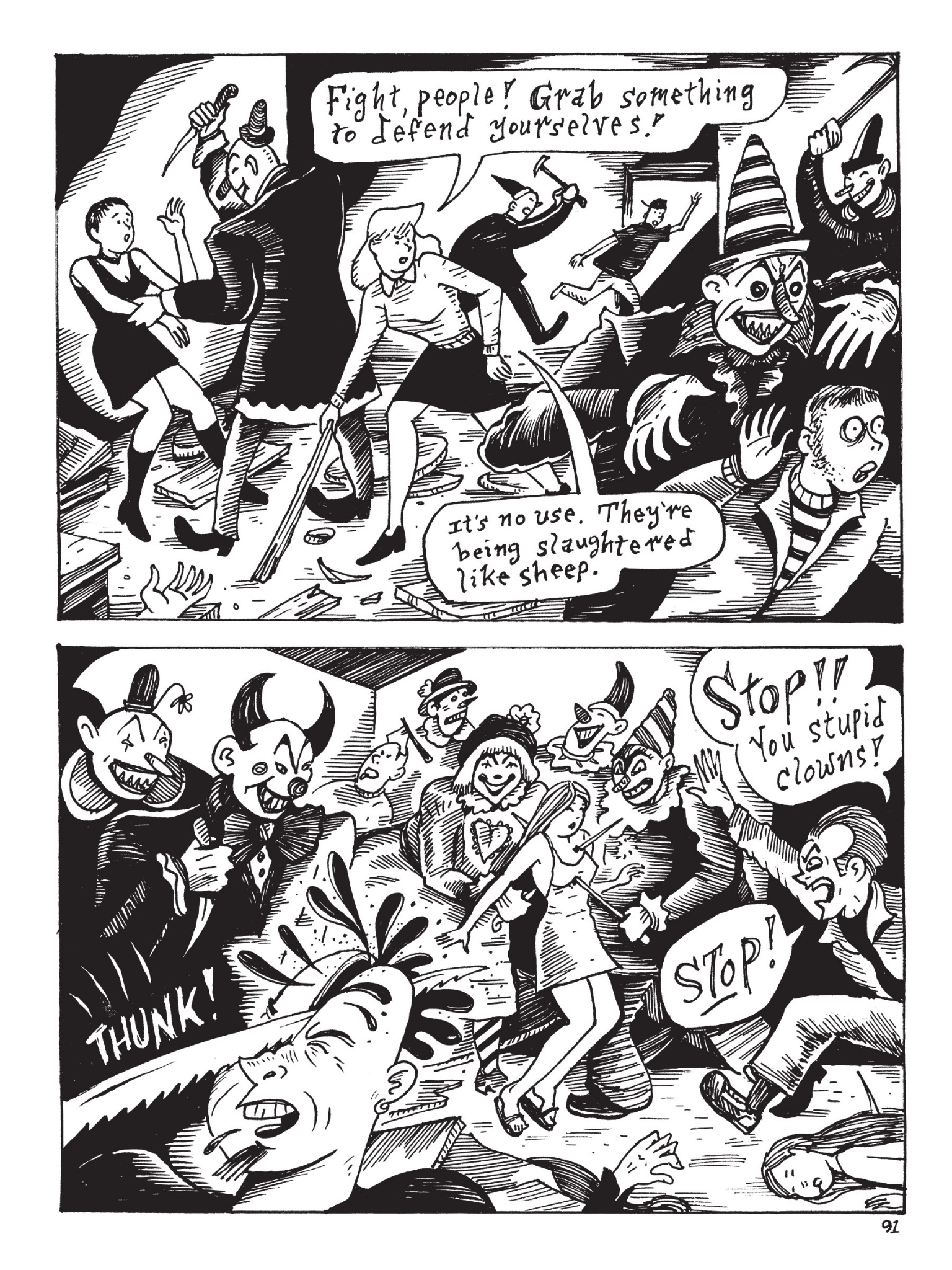
Richard Sala's short horror story in black and white, with archetypical killer clowns and kill-your-parents children of corn, flip-flip-flip.
If I were to compare, the thing is subpar to the ugly, mean and scary stuff of Thomas Ott which I like a lot. Well, who am I to compare.

Second Thoughts by Niklas Asker
Posted: April 17, 2013 Filed under: Books, Comic | Tags: Books, English, Niklas Asker Leave a comment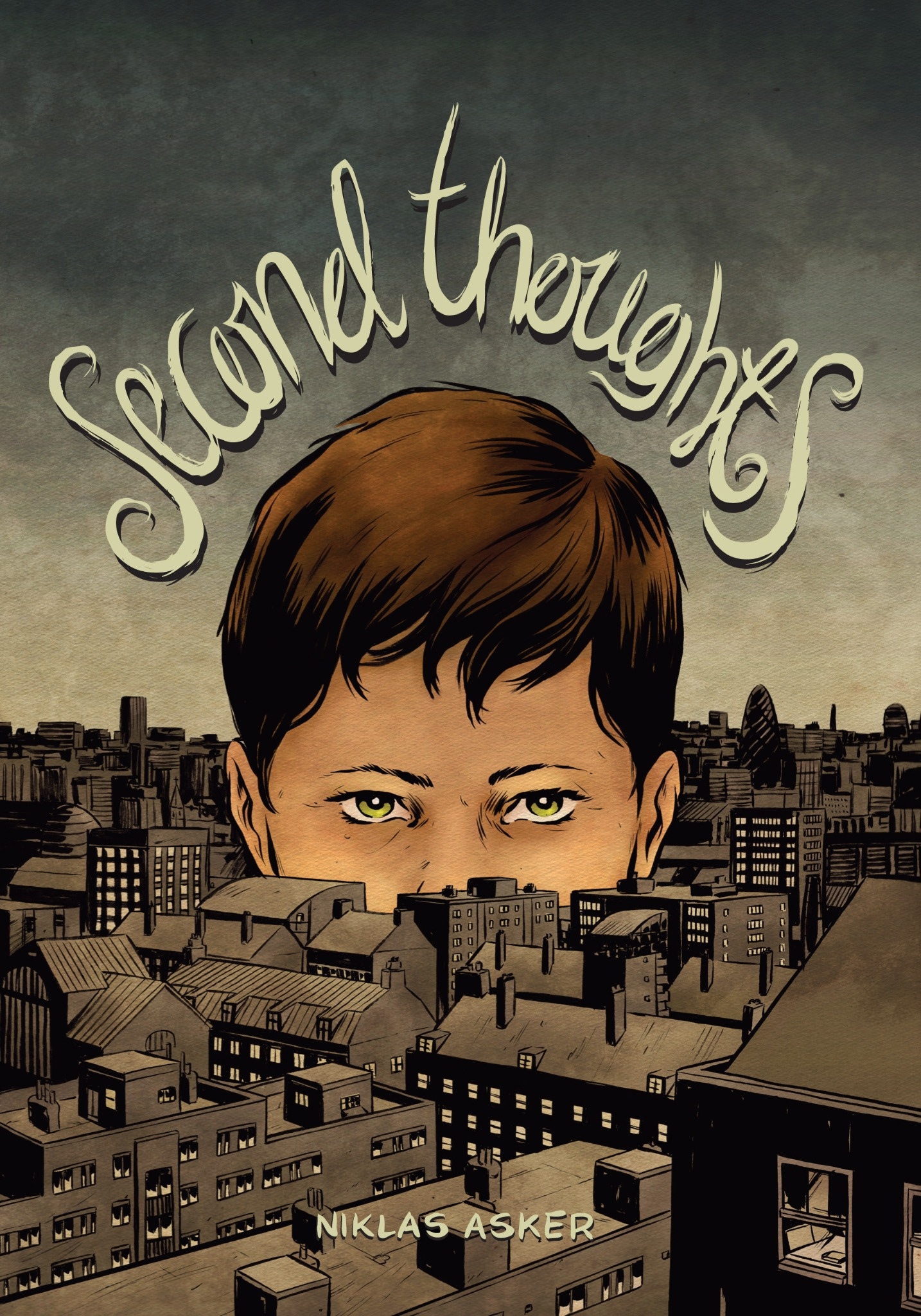
Beautifully drawn, but the story is short and as easy to forget as anything ever gets. Not even a story, just a feeling rather. A fleeing feeling. Gone. No second thoughts about reading it, though.



The Walking Dead #109 by Robert Kirkman, Charles Adlard and Cliff Rathburn
Posted: April 13, 2013 Filed under: Books, Comic | Tags: Books, English, Robert Kirkman, Zombie Leave a comment
Emmm. Nothing to report.
End the Fed by Ron Paul
Posted: March 31, 2013 Filed under: Books, Non-fiction | Tags: Books, English, Libertarian, Ron Paul 2 Comments
Out of US presidential candidates, Ron Paul is my obvious pick. Smart, thorough, libertarian to the bone. A vivid supporter of sound money and less intrusive state, something that really doesn't fly in today's America.
This book is all-out rage against the Fed a.k.a. the US central bank, and all central banks in general. A strong believer in gold standard, Congressman Paul rightfully says that printing fiat money out of thin air allows the State to grow exponentially, limit personal liberties, take a socialist-fascist-corporatist-you-name-it turn, act unreasonably, and fund pricey wars.
And all of this, at the expense of an ordinary citizen, whose savings are literally stolen through inflation. In a sense, central banking is no different from counterfeiting – does it really matter who prints the new shiny bills, if your money loses in value? Well, turns out quite few people want to see this link between lost savings and Fed policy – a good example in my previous post.
Anyway, it's an easy 200-page read that sums up many concepts that I hold dear to my mind heart. Well, who is John Galt Ron Paul?
Imagine an irresponsible teenager with an unlimited line of credit. The parents, teachers, pastors, and authorities in his life are ultimately powerless to change his habits. Now imagine that teenager armed to the teeth and also immune even from the rule of law. That is what we have with a government backed by a central bank.
======
Following creation of the Fed, the government would discover other uses for an elastic money supply aside from keeping the banking system from defaulting on its obligations. It would prove useful in funding war. It is no coincidence that the century of total war coincided with the century of central banking. When governments had to fund their own wars without a paper money machine to rely upon, they economized on resources. They found diplomatic solutions to preven war, and after they started a war they ended it as soon as possible.
======
Greenspan’s claim, in an answer to one of my questions, was that the central bankers essentially had become smart enough to achieve all the benefits of the gold standard without its limitations. Of course, it’s the limitations that are so valuable, and the reason the gold standard is so important to a free society. These thoughts he stated brilliantly in his own historic article, “Gold and Economic Freedom”:
In the absence of the gold standard, there is no way to protect savings from confiscation through inflation. There is no safe store of value. If there were, the government would have to make its holding illegal, as was done in the case of gold. If everyone decided, for example, to convert all his bank deposits as silver or copper or any other good and thereafter decline to accept checks as payments for goods, bank deposits would lose their purchasing power and government-credited bank credit would be worthless as claims on goods. The financial policy of the welfare state requires that there be no way for the owners of wealth to protect themselves.
This is the shabby secret of the welfare statists’ tirades against gold. Deficit spending is simply a scheme for the confiscation of wealth. Gold stands in the way of this insidious process. It stands as a protector of property rights. If one grasps this, one has no difficulty in understanding the statists’ antagonism toward the gold standard.
According to his own logic, Greenspan had simply become a statist.
Harvey Pekar’s Cleveland, illustrated by Joseph Remnant
Posted: March 30, 2013 Filed under: Books, Comic | Tags: Books, Cleveland, English, Harvey Pekar, Joseph Remnant, Ron Paul 1 Comment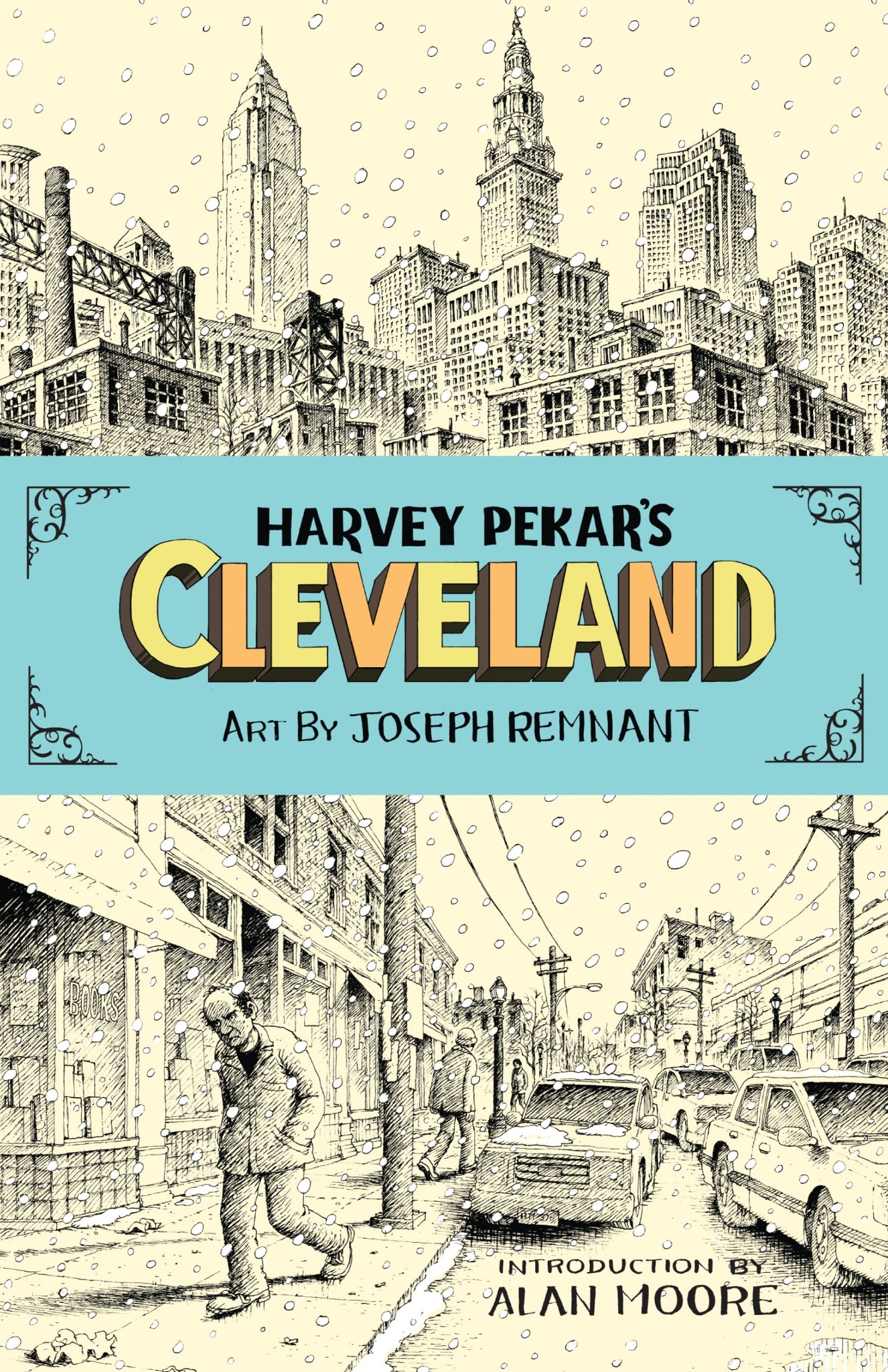
It's been a while since I read American Splendor, a while since I saw the movie. Not a huge fan of Harvey's, but given that he passed away in 2010, decided to read his last book.
Never been to Cleveland, probably never will be – for me, it's just a cityname with no strings attached to it. Much more for Harvey, I guess, even though he doesn't sound mad about it.
The book feels like it was written by an old fellow, tired and weary. Well, Harvey has never been a raving optimist. First he spills some city history (still don't get why), and then gives some bits of his life on fast forward.
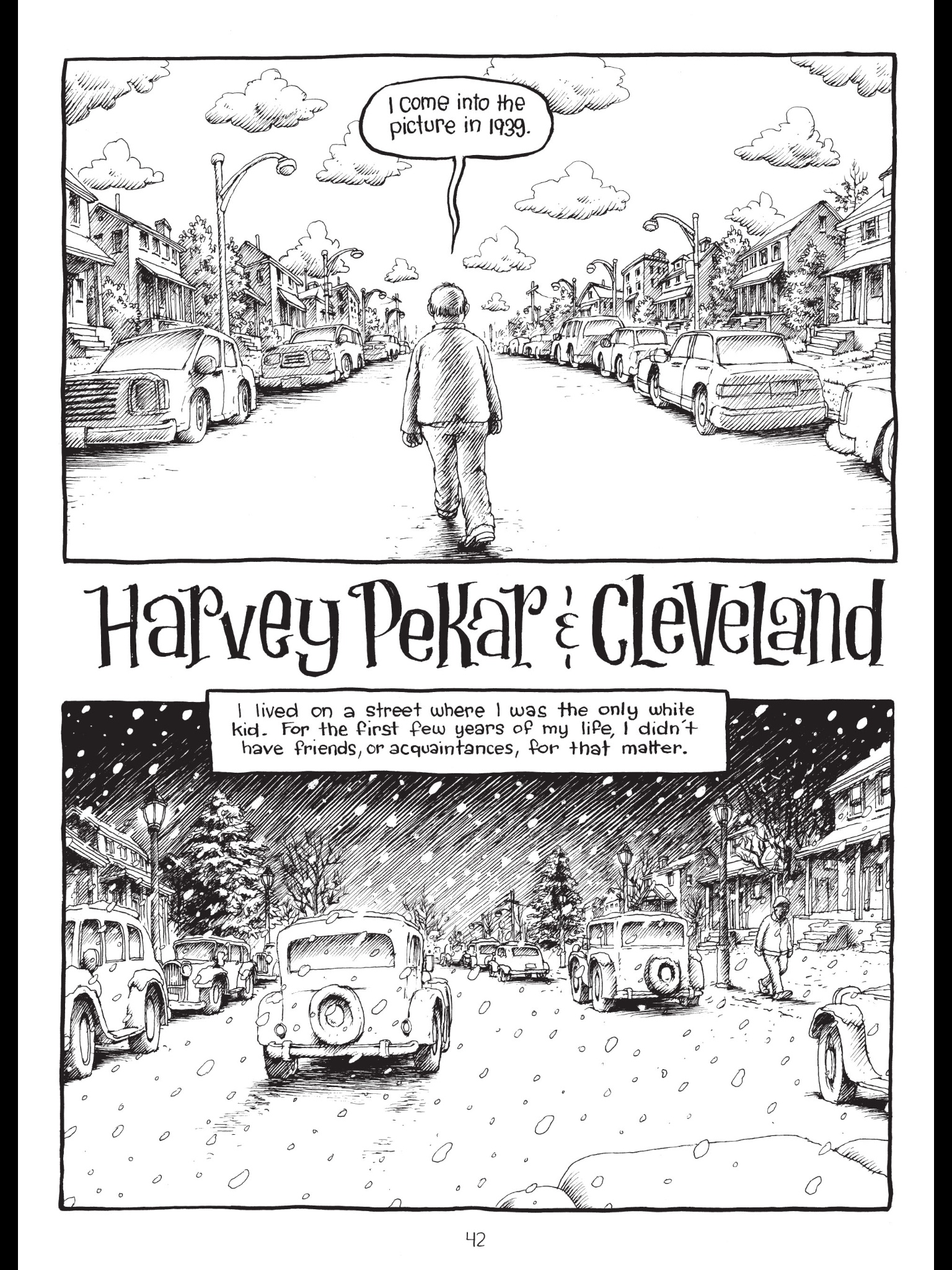
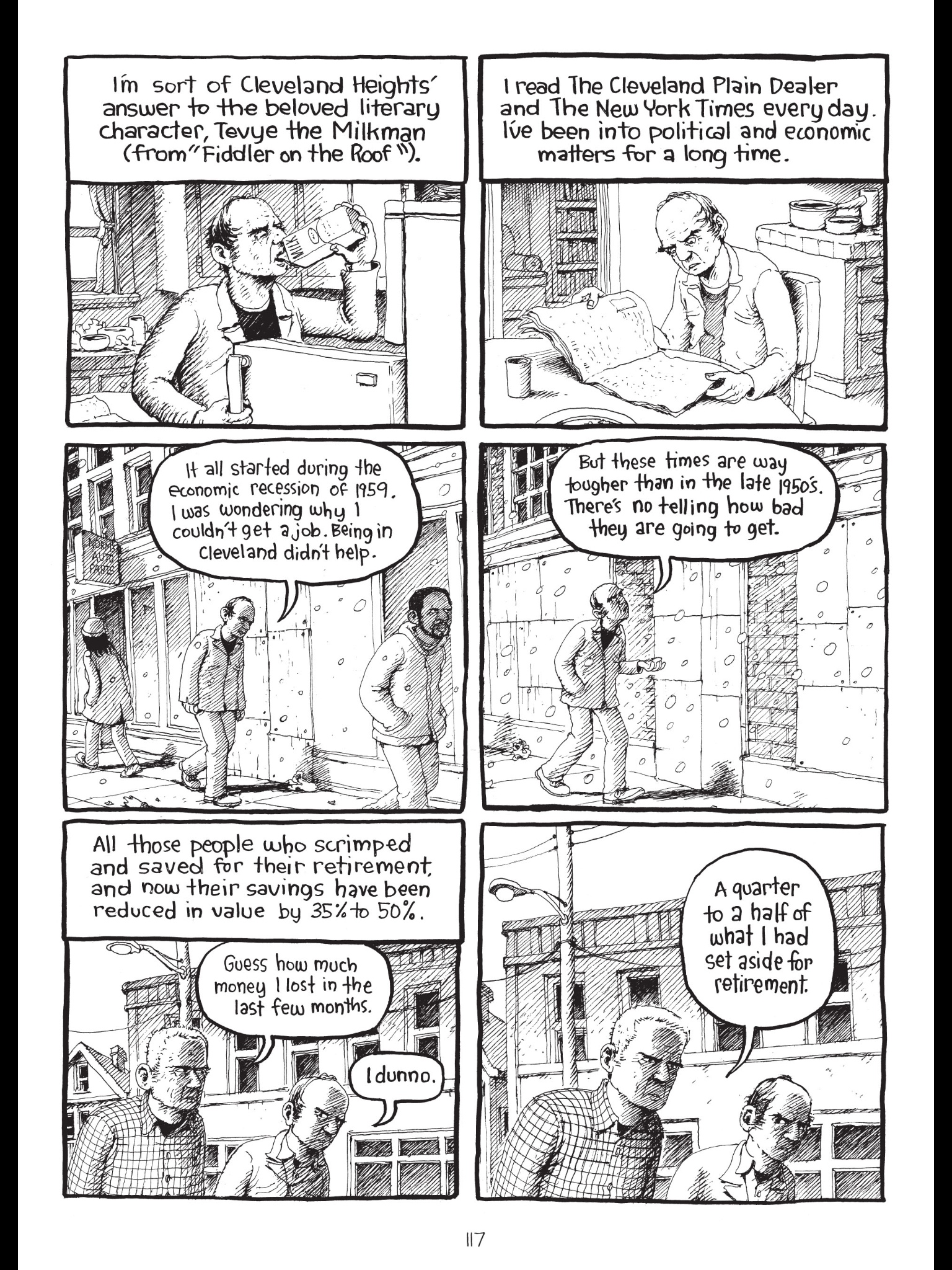
The most interesting thing about the book though, in yours truly humblest opinion, are his whinings about the depreciating dollar and a working man's savings lost. Here, miraculously, Harvey is fully aligned with the honorable Ron Paul, whose End The Fed manifesto I am reading in parallel. The libertarian economist and a hospital clerk are pissed about the same thing – nasty inflation that steals people's savings and makes retirement a scary thing (picture 4).
In his solution (picture 5), though, Harvey deviates from the renowned GOP candidate and comes to a crooked conclusion – instead of advocating for sound money, he places vain hopes in Monsier Obama and in new taxes – taxes spent by the “yes, we can” president in a way that does little but pumps the inflation spiral further. Oh well, what would you expect – ordinary men tend to like the idea of socialism, wrongfully, as they will be paying for it as well.



Werewolves of Montpellier by Jason
Posted: March 17, 2013 Filed under: Books, Comic | Tags: Books, English, Jason Leave a comment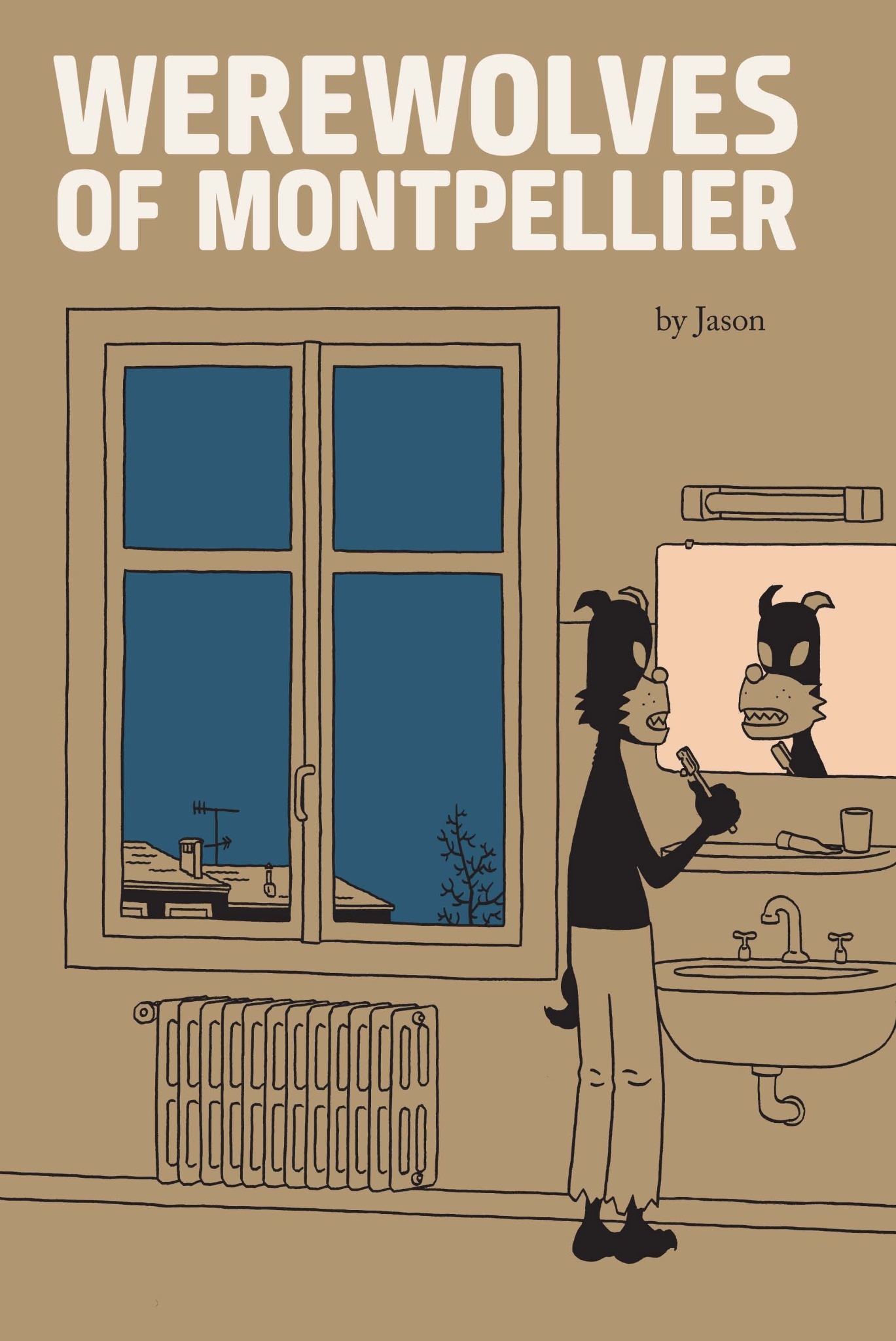
I know this blog gets more and more skewed towards comic books – simple reason is – I watch too many US TV shows to read proper books, sadly.
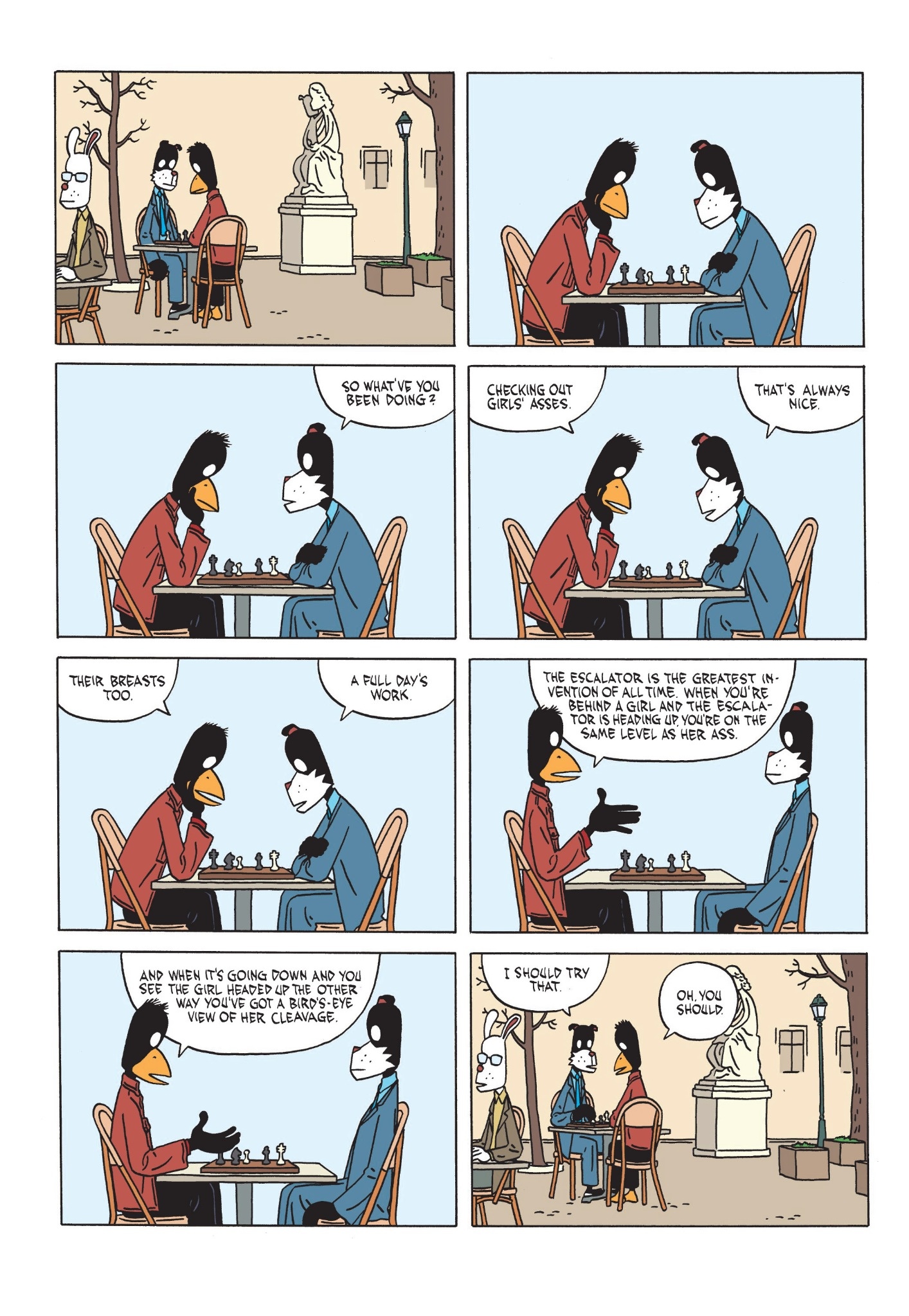
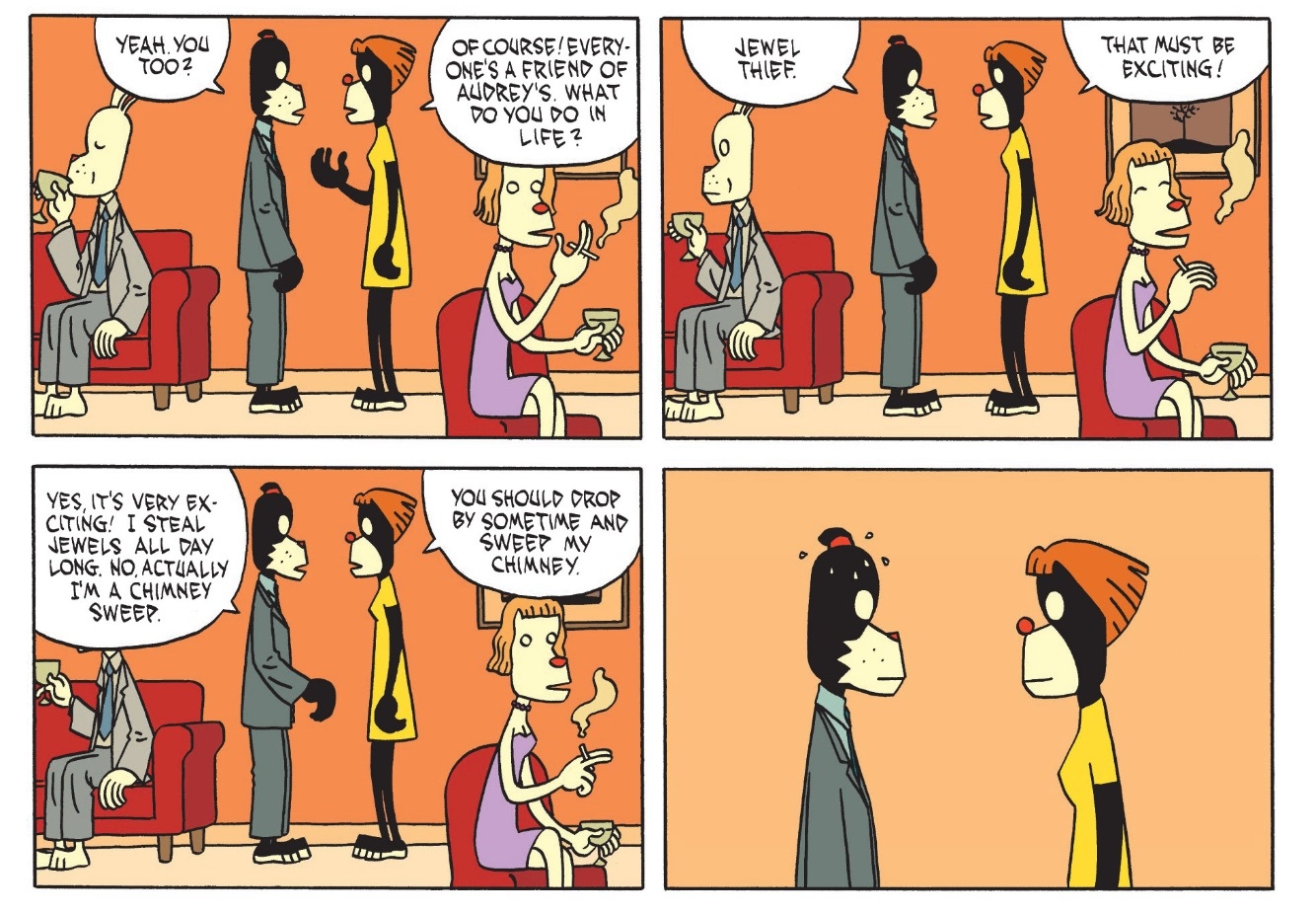
Yet another strange story by Jason, a not too scary one about werewolves in South France coupled with his cynical remarks about the great nation of Gerard Depardieu and the rest.
Not too funny, but acceptable. Only 50 pages long – that's its crucial key investment highlight that they should list on comiXology. Um.


The Story of O adapted by Guido Crepax
Posted: March 16, 2013 Filed under: Books, Comic | Tags: Books, English, Guido Crepax, Pauline Reage, Submission Leave a comment
Browsing through comiXology bookstore directly on website, I realized that uncle Stevie is still censoring our stuff, even from his grave.
Guido Crepax's 1975 comic book adaptation (comiXology calls it “classic”) of a well known 1950s novel on female submission was something I stumbled upon filtering the store by books issued by NBM publishing.
Surprised that it didn't pop up in the graphic novels section directly on my ipad (damn, the selection is so tiny still, maybe 40 titles or so), I tried searching for it in the search line and via NBM publishing filter – and no, it simply doesn't show up on ipad. Censored out by Apple, huh. I'm pretty sure these folks would have thought zero seconds about cutting out the penises from Ancient Greek statues, a 1991 Tin Machine II incident.
I managed to trick the system – if you buy it directly through the website, you can then restore and read it on your ipad – one-nil, Apple.
Despite 170 pages or so, it's a quick read, barely 30 mins or so – it doesn't have too much talking, huh, if you get my drift ;-))) Drawn nicely, much less graphic than you would expect – still, naw, I ain't going to post screenshots this time, oh, no, sir.
And I still wonder why roughly 65 million ladies around the globe bought 50 Shades of Grey and not The Story of O. Pauline Reage is like Dostoevsky compared to this grey pulp.
The Walking Dead, vol. 108 by Robert Kirkman, Charlie Adlard and Cliff Rathburn
Posted: March 15, 2013 Filed under: Books, Comic | Tags: Books, English, Robert Kirkman, Zombie Leave a comment
A no-content volume. Uh-huh. Серия опять сдувается помаленьку. All the juices sucked out by the TV show, yeah.
 nomiresdebajodelacama