Posted: January 1, 2014 | Author: no mires debajo, eh | Filed under: Comic, Fiction | Tags: Alan Moore, Books, Comic, English |
Xmas sale on
comiXology hooked me up with
Alan Moore's iconic
Swamp Thing saga that I've never read.
Proves one thing right, the thing
one can be certain about Moore's comic book universe – you can't just read his stuff flipping through the pages and running down the storyline at the speed of light – oh no, he requires you to crack them, read every word, suffer through it in a sense. From Hell is the best example of a great but difficult to read masterpiece of his.
A funny observation for trash movie fans – for a person unfamiliar with the Swamp Thing character, I do have to admit that Troma's no less iconic Toxic Avenger looks kinda like him.
All in all, that's another Moore's superhero novel like Watchmen or V for Vendetta (actually, written well ahead of both) that doesn't have a chewing gum effect at all – vice versa, you dig your teeth in and you work it, like you would with a proper rib eye – and unless you have bloody gums or heartburn, you should like it.
Posted: December 29, 2013 | Author: no mires debajo, eh | Filed under: Comic | Tags: Books, Comic, English, Jeffrey Brown |
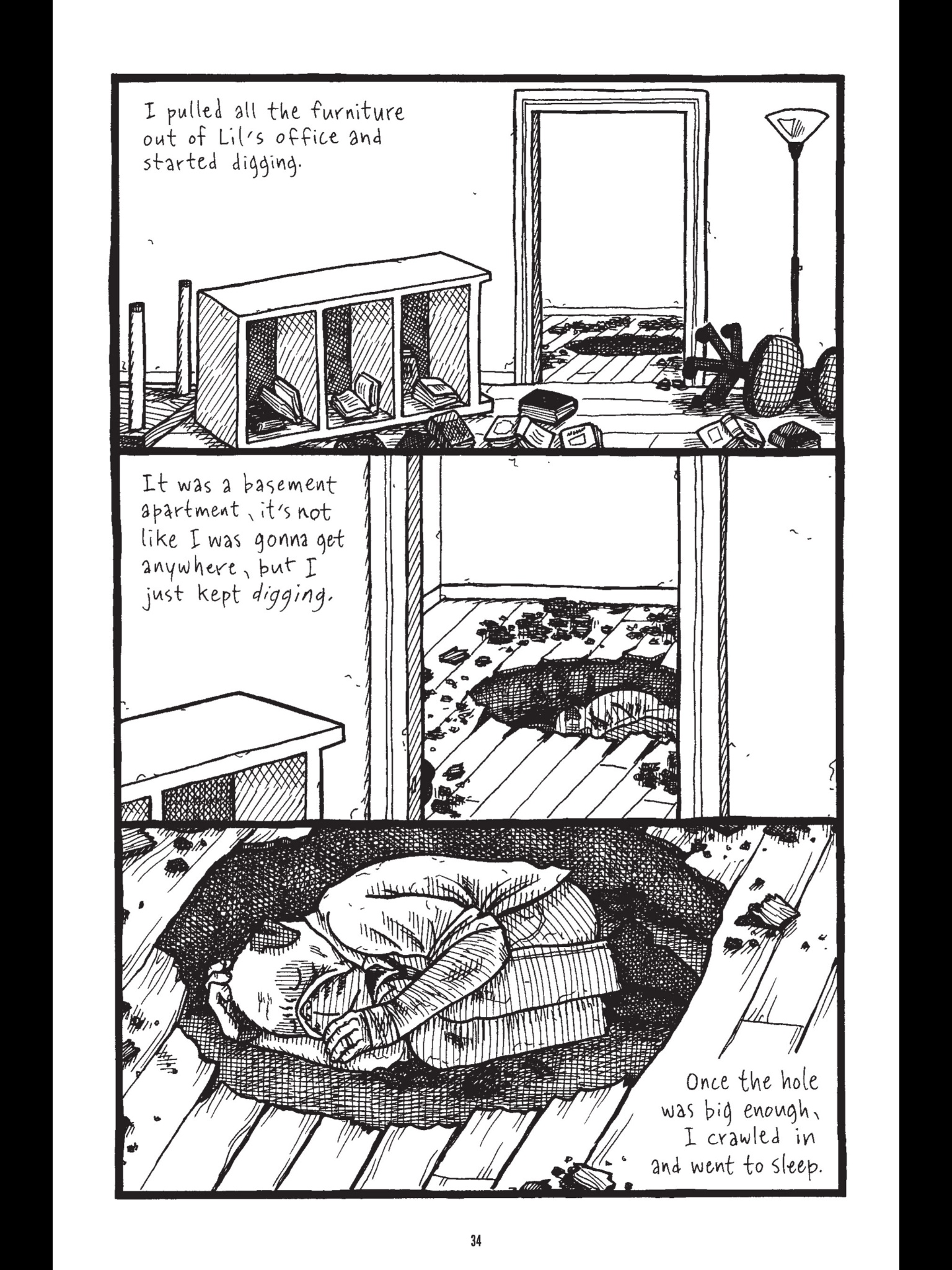
This book has a great mix of young adult romance and insecurity that make for a very good set of short stories, which I loved – but, by God, it is drawn so painfully ugly (on purpose, I’m sure) that my eyes bled. Ummm
Posted: December 16, 2013 | Author: no mires debajo, eh | Filed under: Comic, Fiction | Tags: Books, Comic, English, Robert Kirkman, Zombie |
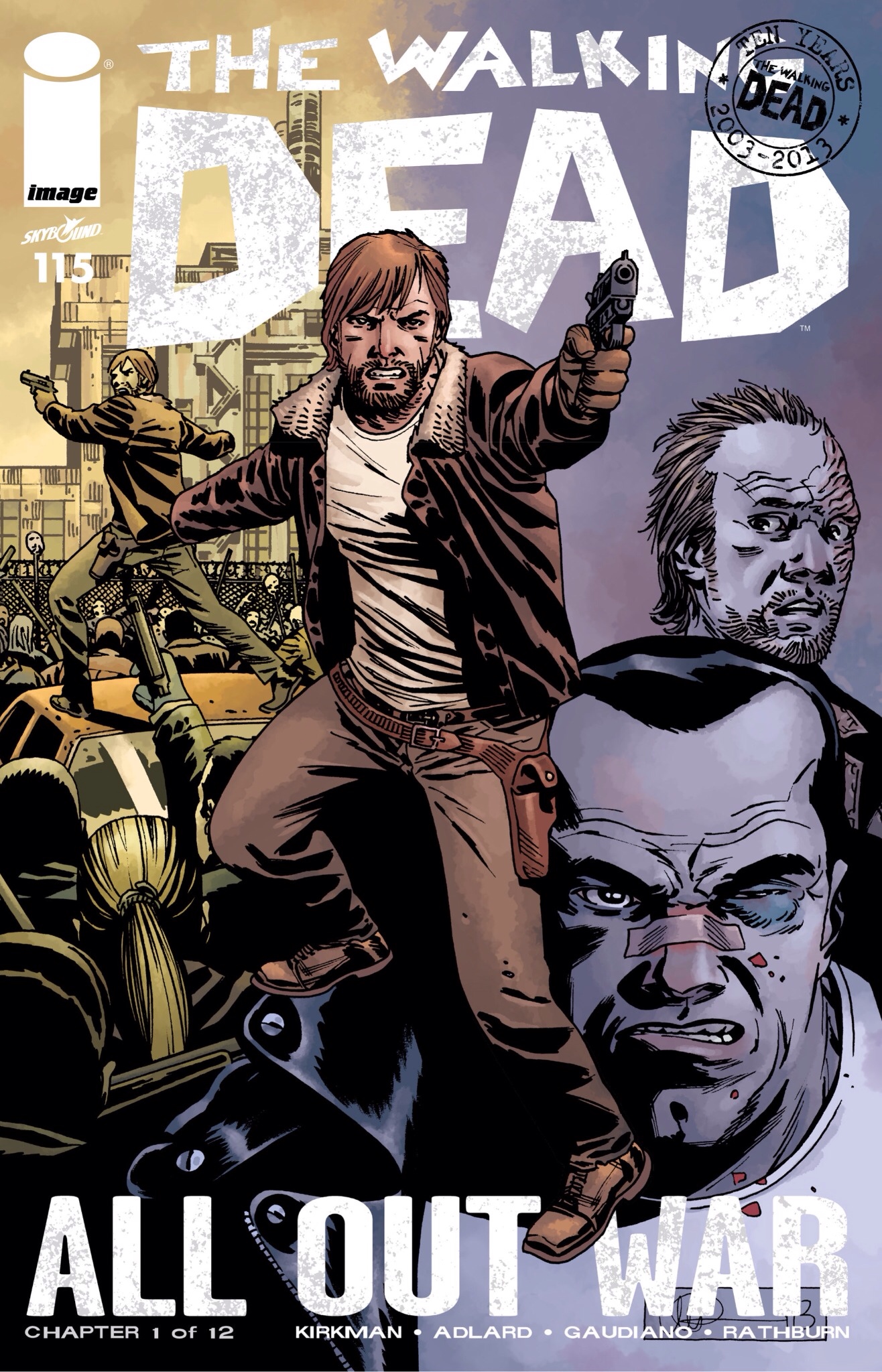
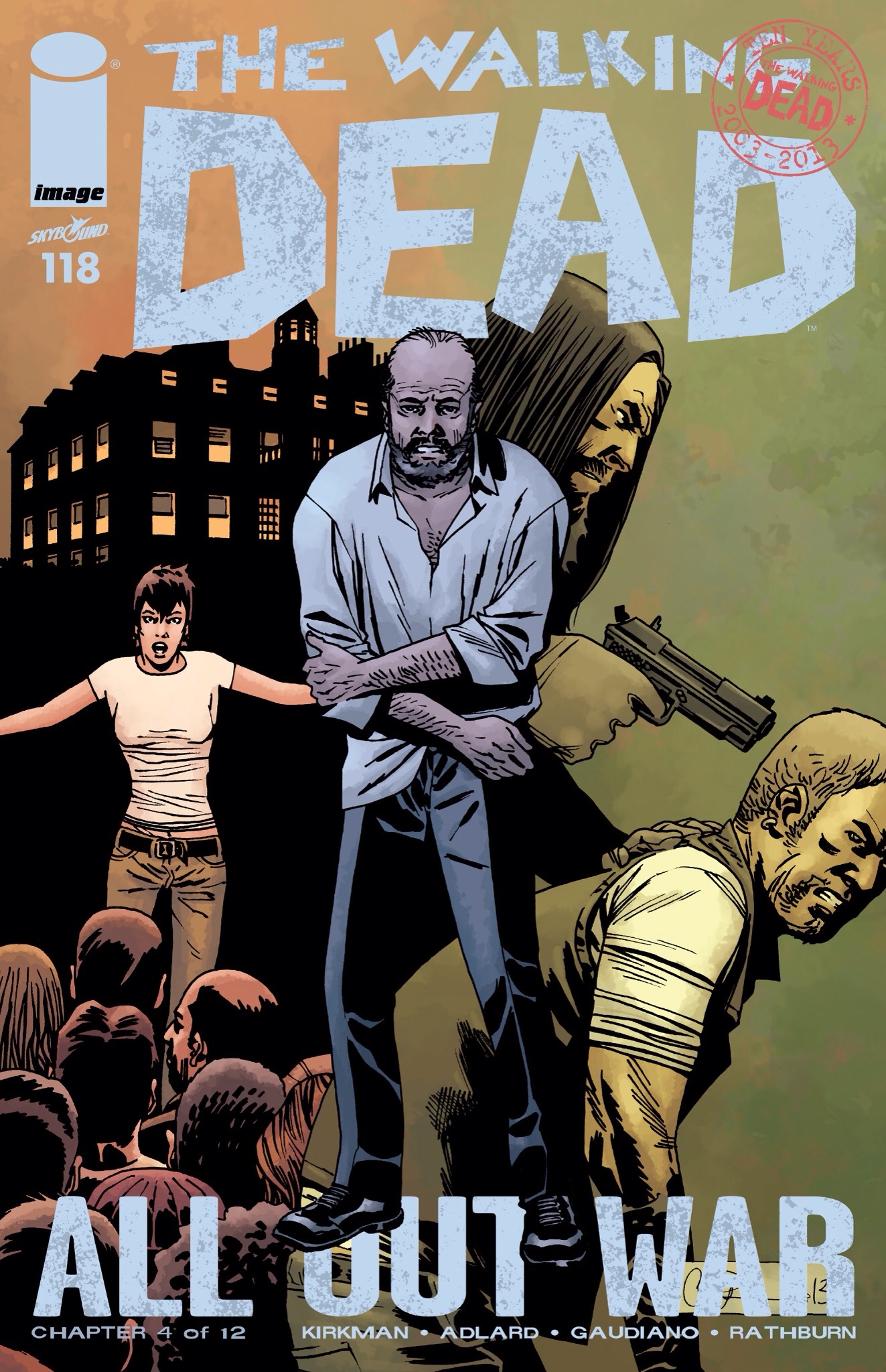
Decided to catch up on several months of unread issues of The Walking Dead – and quickly went through volumes 115 to 118. The thing is, if you read just one issue, it's boring – but if you read at least three at once, you get the pace.
Kirkman went into a new story arc called All Out War, a total of 12 issues (8 more to come), with people going after people, guns trotting et al.
The most interesting thing about the comic book now is to compare it to the AMC series – the storyline has never been the same, sure – but even character wise, actions and personalities differ a lot. On TV, the bad guys start the war, while Rick proposes to lay down everyone's guns and quietly live in peace – while in the original comic book world, Rick is the attacker, and his motto is – no killer must be left alive. Gruesome and much more real, eh.
Posted: December 15, 2013 | Author: no mires debajo, eh | Filed under: Comic, Fiction | Tags: Batman, Books, Comic, David Mazzucchelli, English, Frank Miller, Masked Vigilante |
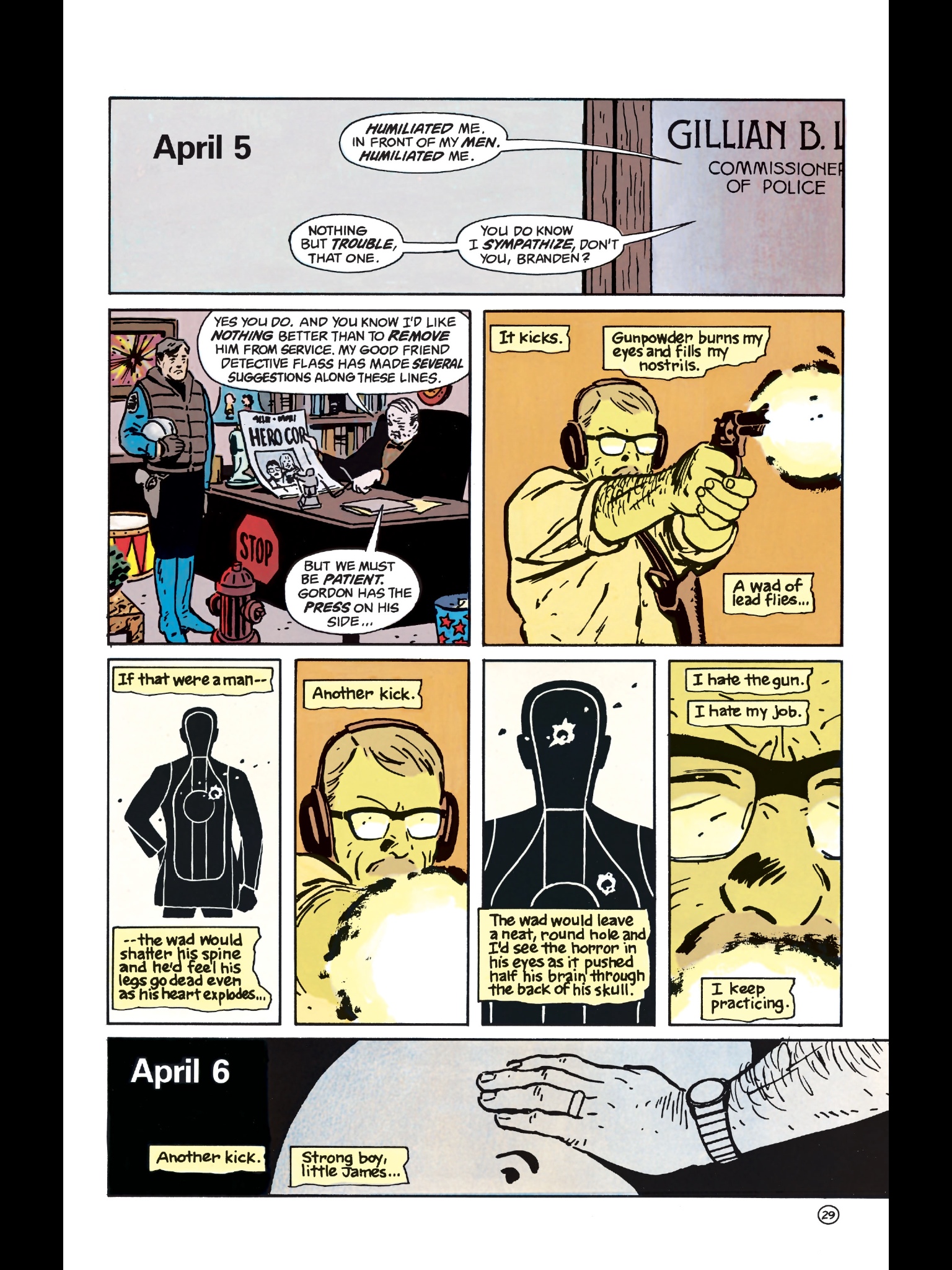
Took the time to go through Batman: Year One, an integral part of Miller’s Batman series. As a prequel to the first Dark Knight, it’s a short book indeed, serialized as four issues in 1987.
Miller’s writing is impeccable – as always, I guess – story-wise, Year One was a bit less complex and thought-provocative than the Dark Knight Returns and the Dark Knight Strikes Again, which were full of questions whether the glorious masked vigilante was a fascist of sorts, pure essence of a lynch mob dressed in a shiny black suit with a cape, acting under the cover of the night as the judge, the jury and the executioner all-in-one.
And no, Miller’s books have nothing to do with Chris Nolan’s blockbusters, that took the title but almost nothing else from them. And better so.
Posted: November 17, 2013 | Author: no mires debajo, eh | Filed under: Comic, Fiction | Tags: Comic, English, Jamie Tanner, kickstarter, Osamu Tezuka |
Hmm, quite an interesting horror comic indeed, a random purchase at comixology that worked just well.
Capitalizing the content and a bit even the style of
Osamu Tezuka's perennial
Ode to Kirihito, one of the best Tezuka's novels of all time, Tanner tells a tale of a man who befell dog head illness and a strage story that followed.
For a debut novel that was crowdfunded via
kickstarter, as I later found out, it's a tiny gem – great drawing style, good dialog, interesting story twists. Totally enjoyable.
Posted: November 16, 2013 | Author: no mires debajo, eh | Filed under: Comic, Fiction | Tags: Comic, English, John Leavitt, Molly Crabapple |
A light-hearted flirty comic book that served a great intermission in my reading of two violence driven
J.G. Ballard's novels (I'm halfway into
Super-Cannes now).
Fifty-page long colorful delight, no strings attached. Best viewed via iPhone's, not iPad's comiXology app, it seemed to me.
Posted: November 9, 2013 | Author: no mires debajo, eh | Filed under: Comic, Fiction | Tags: Books, English, Jeff Lemire |
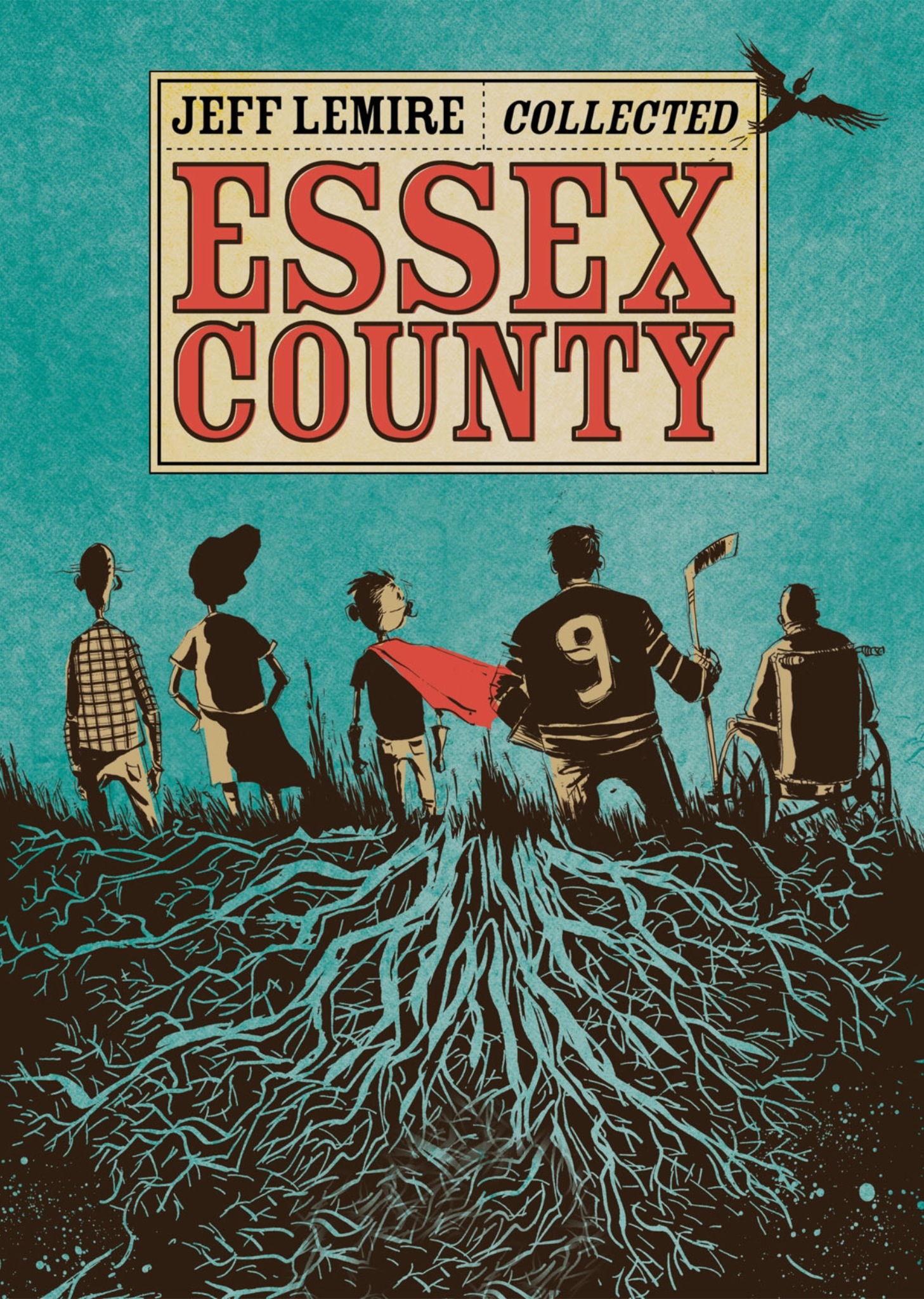
A brilliant, thick in pages, but fast in page turning, melodramatic family remembrance story, going across the span of four generations of various Essex County, Ontario, residents.
In a sense,
Essex County is a perfect gateway book for those not familiar with “serious” no-superheroes-kind of graphic novels, on par with Art Spiegelman's world-acclaimed
Maus, Jason Lutes'
Berlin, Alison Bechdel's
Fun Home and different stuff by other prominent Canadian comic book writers like
Chester Brown, Seth, and
Joe Matt.
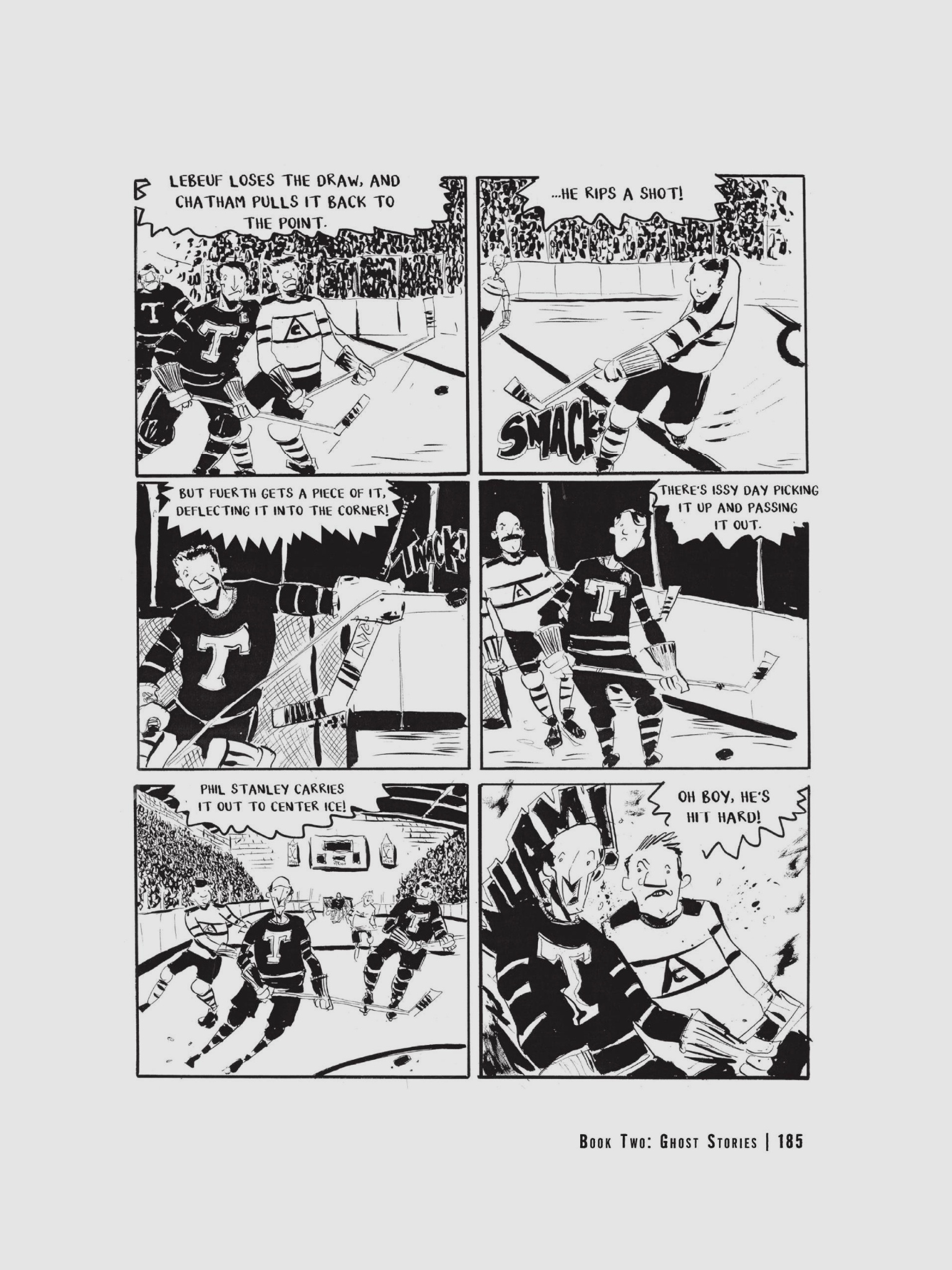
Funny enough, as I predicted, this book is full of hockey – plucks flying in and out of frozen lakes and NHL ice rinks, fists punching faces. But still, it's main theme is family, family that matters most – and how it is never late to care and forgive.
Posted: October 19, 2013 | Author: no mires debajo, eh | Filed under: Comic | Tags: Books, English, Jeff Lemire |
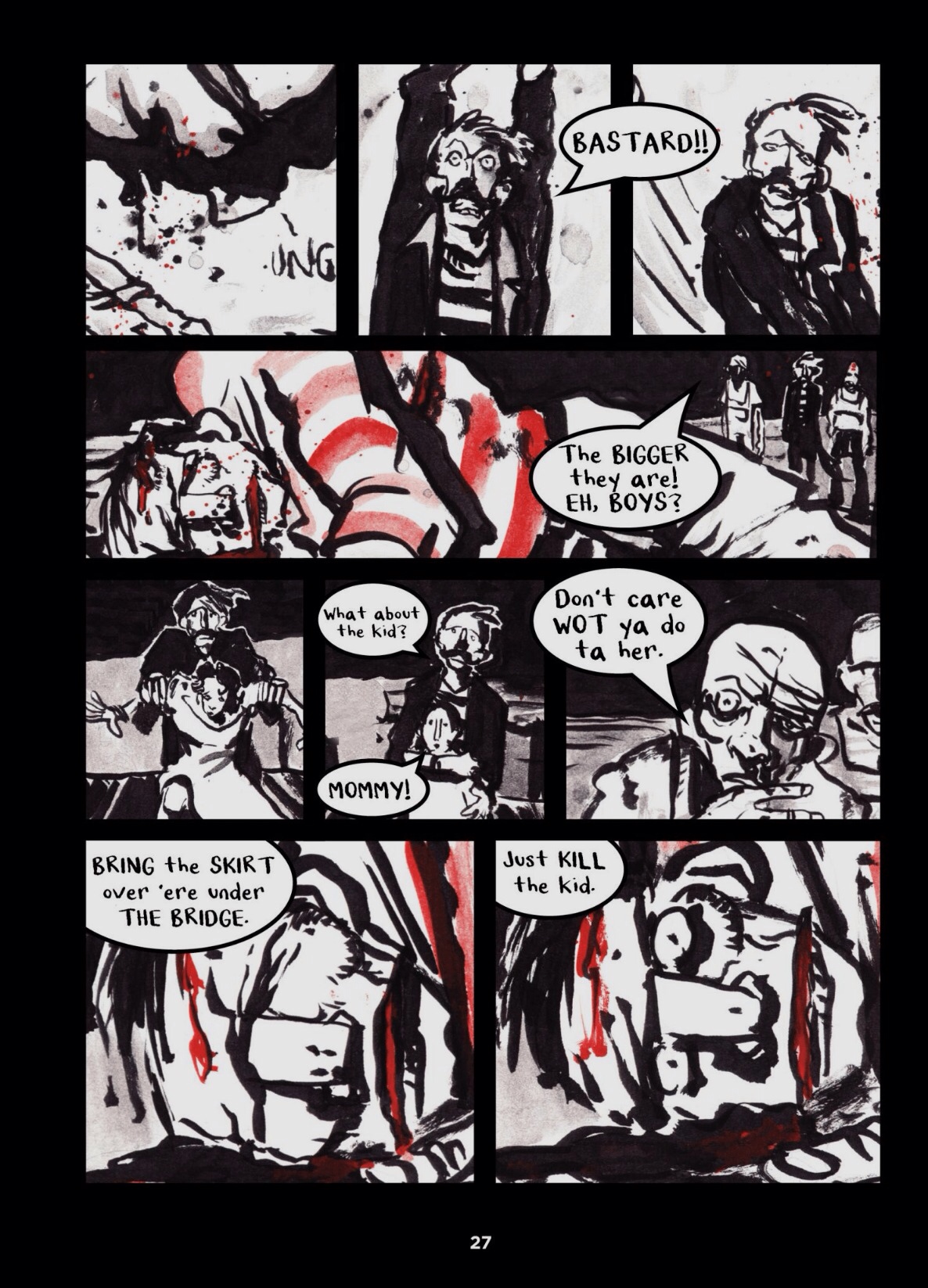
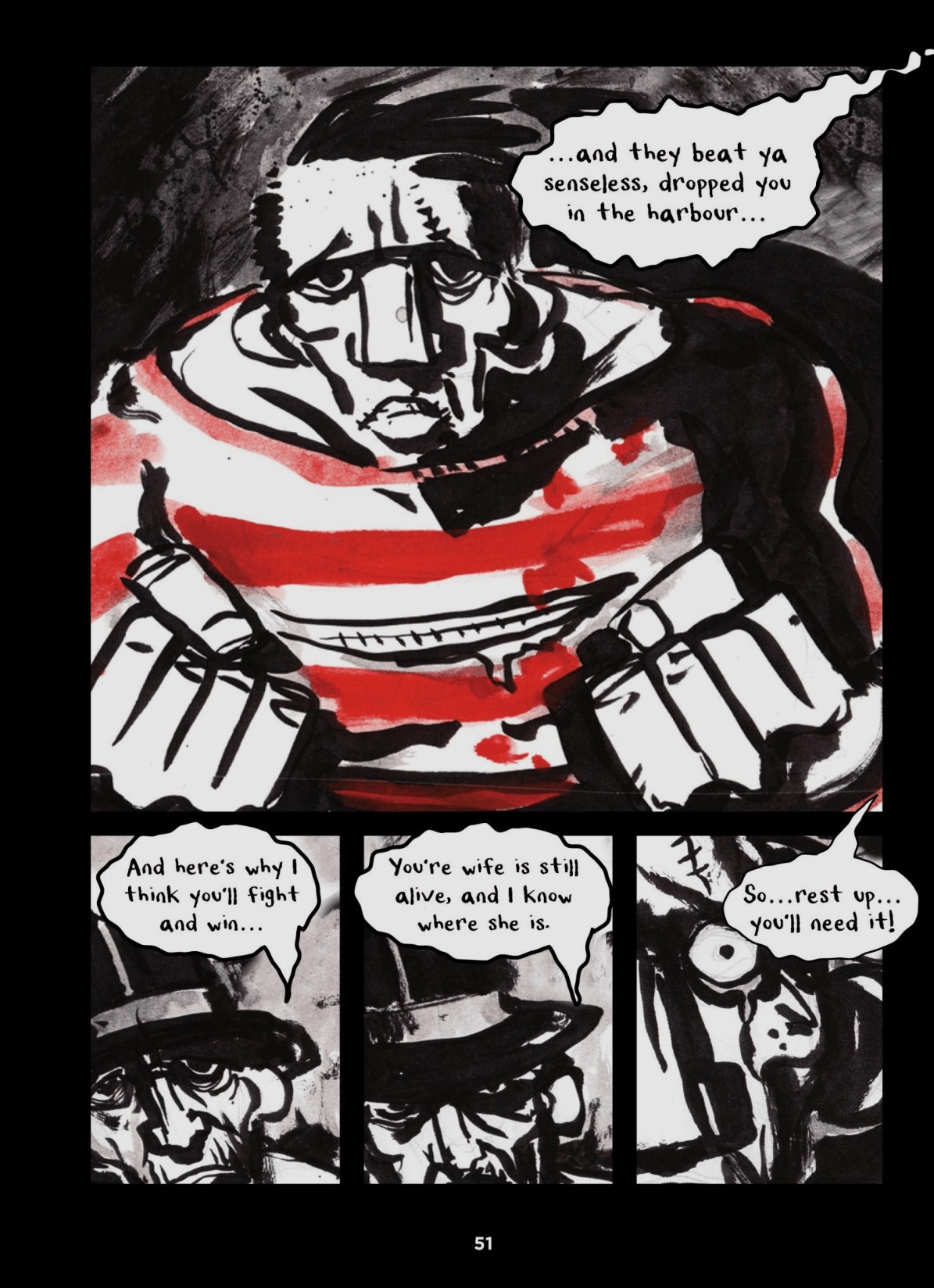
On one end, a disturbing story with a morbid looking drawing style of red, black and white only. Easy to guess, why red. On the other, though, I’d say – nothing too entertaining.
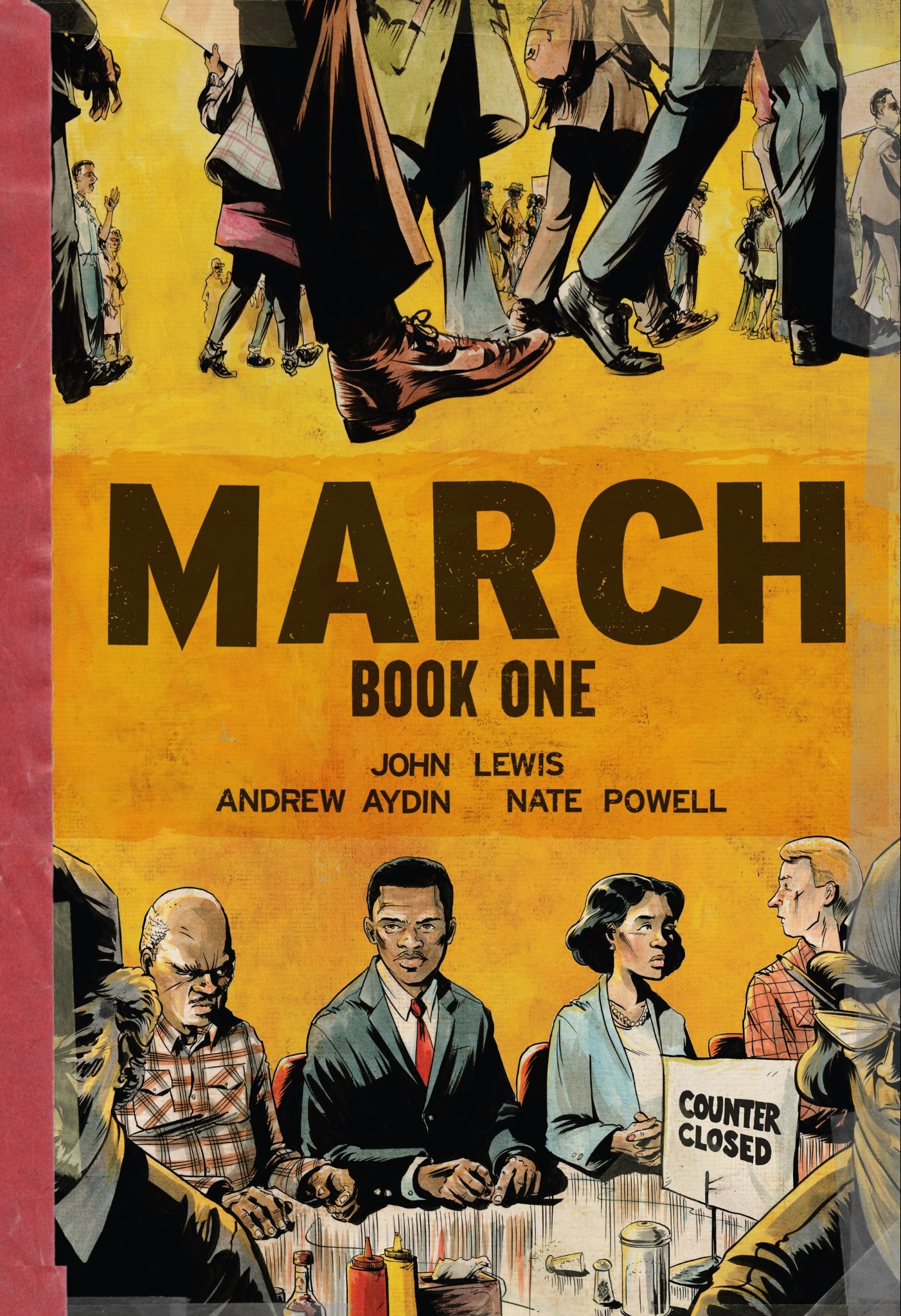
Posted: August 21, 2013 | Author: no mires debajo, eh | Filed under: Comic, Documentary, Non-fiction | Tags: Andrew Aydin, Books, English, John Lewis, Martin Luther King |
The power of coincidence – I read Mikhail Trofimenkov’s unexpected and unexpectedly long
review of March Book One in last week’s
Kommersant Weekend – and then the book simply popped up right at me in
comiXology new releases section – so I just couldn’t stop myself.
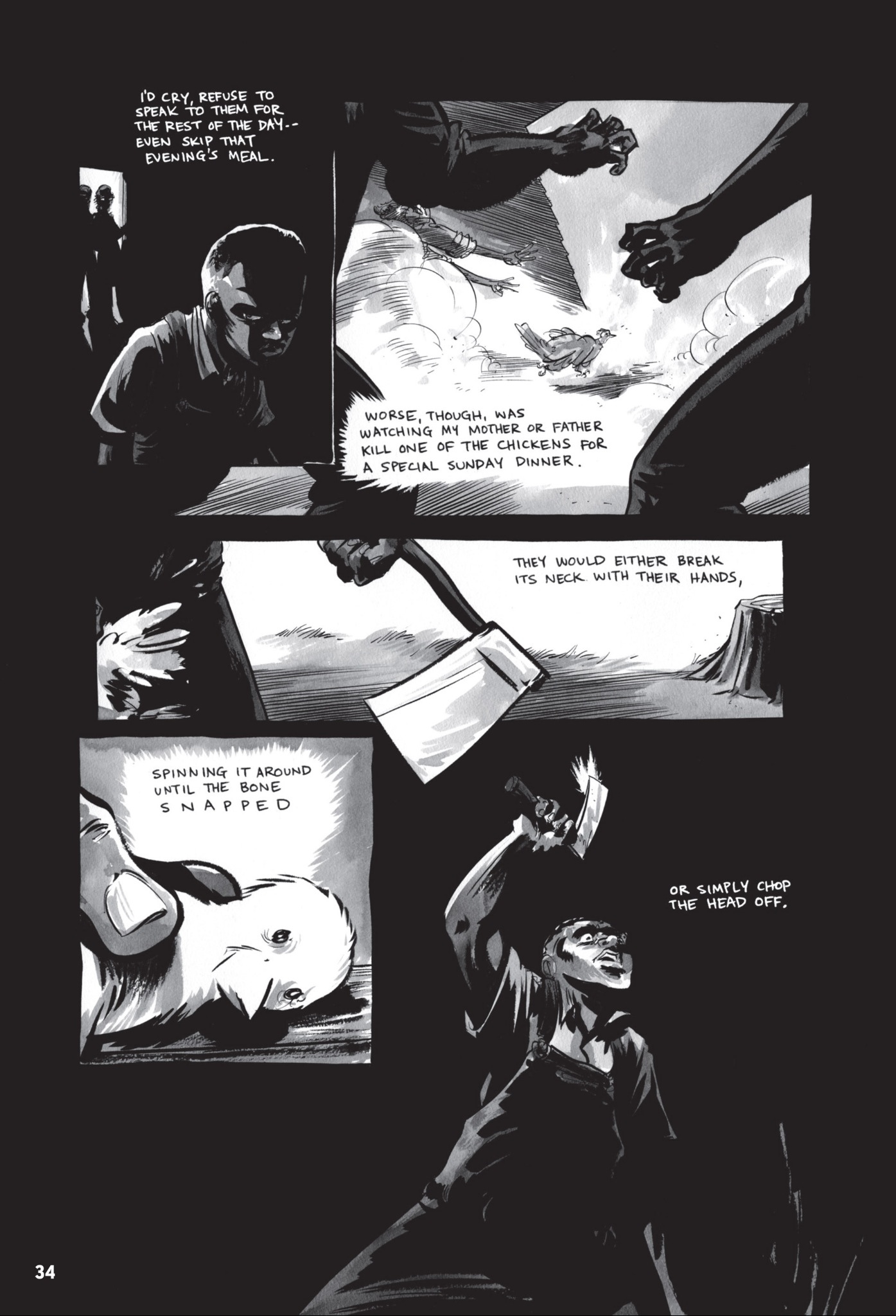
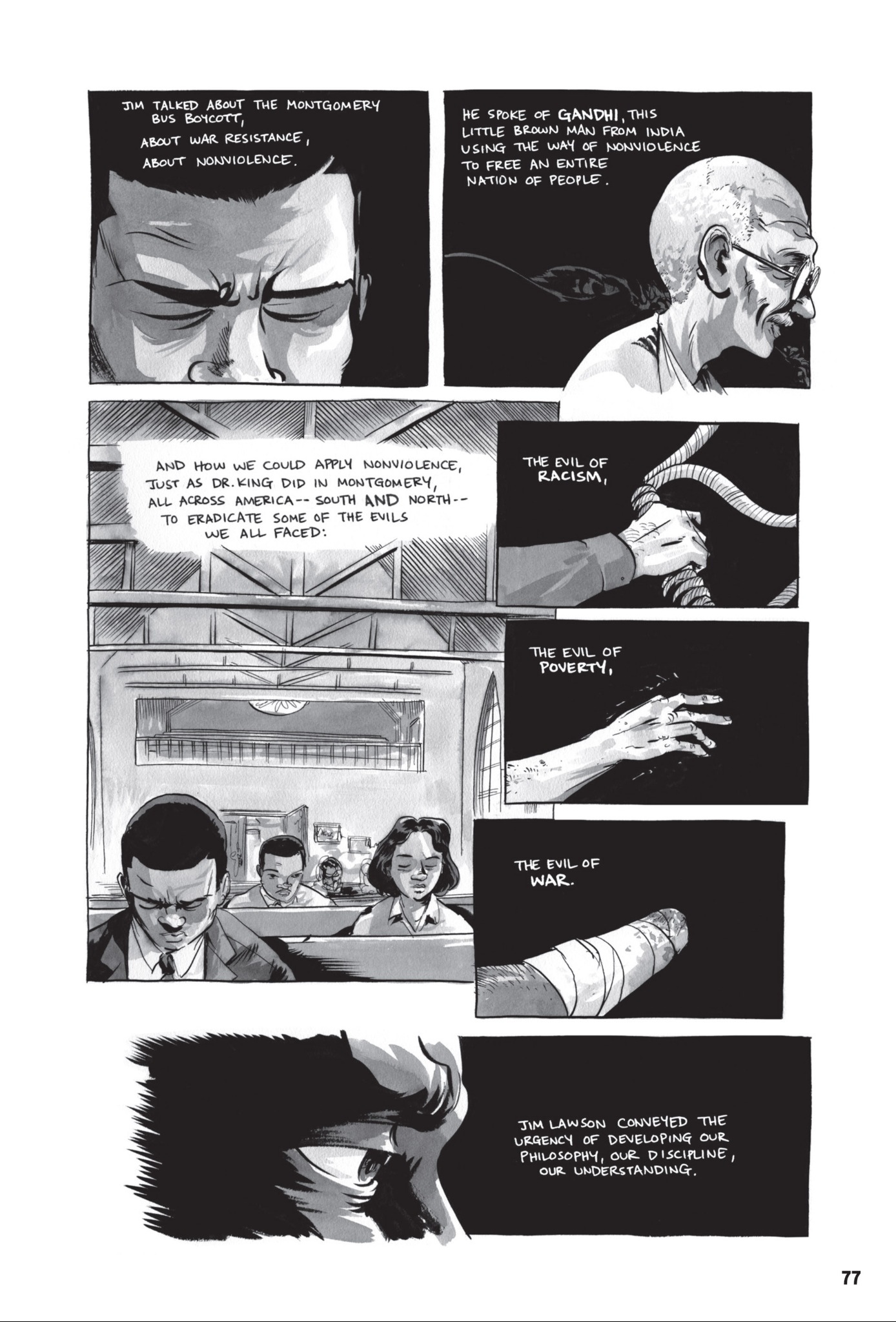
It’s a great piece of work on the racial equality movement in the late 50s, beautifully drawn and told with proper pace and style. However, in light of the splendid and very detailed review linked above (Russian speakers must read it), I decided I will not bore this blog with another, certainly an inferior one.
One thing though I guess it makes sense to add. Clearly and sadly, the self-prolaimed leaders of the Russian opposition here in Moscow have not read or preached the rules of non-violent resistance – and police, like everywhere else, doesn’t like having stones and parts of sidewalk thrown at them. Provocateurs or no provocateurs, no-one like stones thrown at you.
Posted: August 12, 2013 | Author: no mires debajo, eh | Filed under: Books, Comic | Tags: Books, English, Gilbert Hernandez |
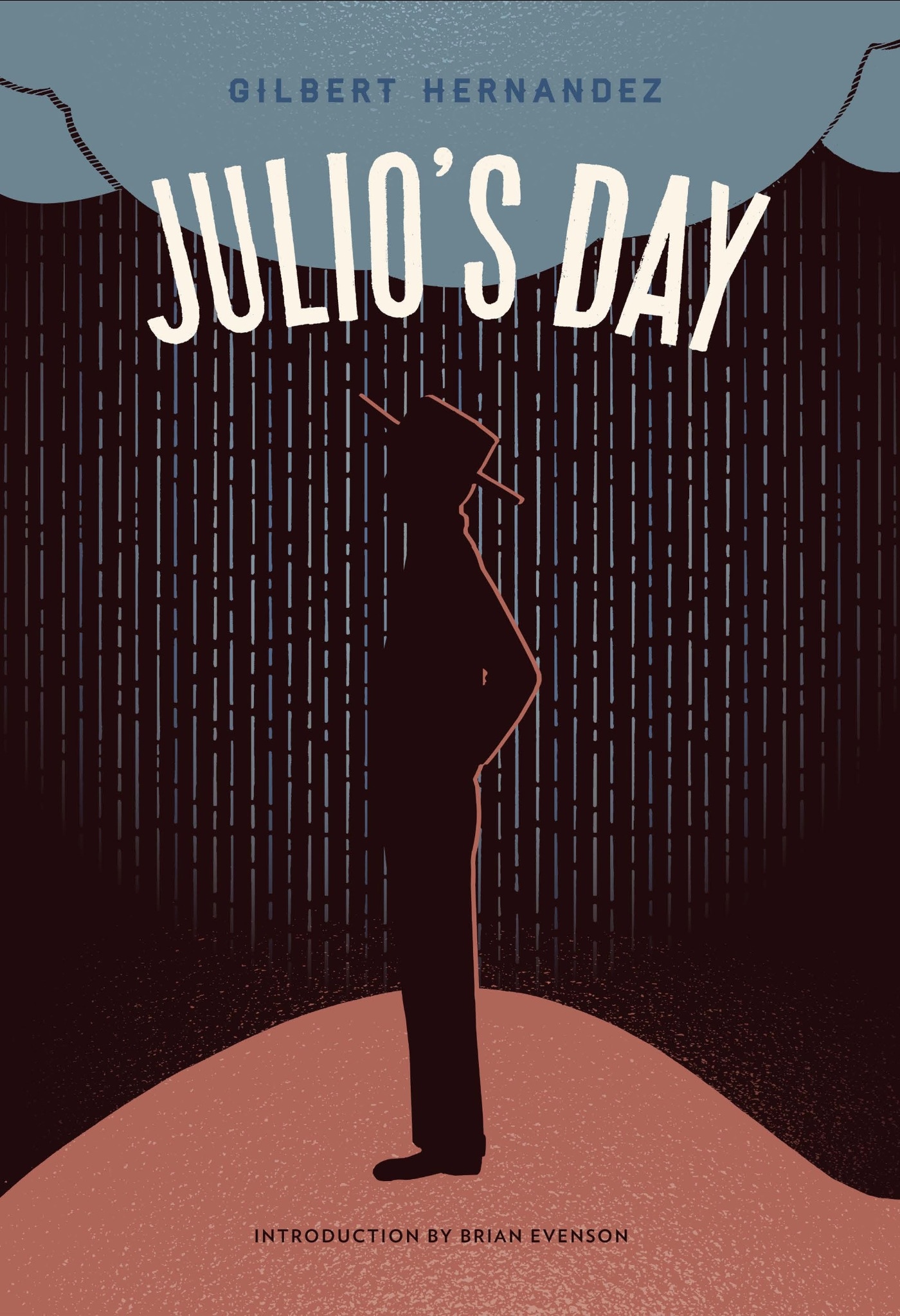
I somehow miss (missed) all the fun about Gilbert Hernandez' Locas and the rest of Love and Rockets – the one I did read was totally lame – so Julio's Day, his latest graphic novel looked attractive because it seemed very different from the main stuff – and ComiXology ad did its magic on me.
It's a 100-page long story about a Mexican American named Julio and the life of his family, beginning in 1900 and ending in 2000. A century in 100 pages – a book read in one sitting. However, parallels to historic events are minimal for my taste and not too detailed – part of scenery, I'd say.
The story had a couple of peak moments when my eyes were practically glued to ipad screen – the first poisoning, the second mudslide, the vengeance – but other than that, a page-flipper at fast pace.
The book reminded me a bit Keiji Nakazawa's historic masterpiece Barefoot Gen – I read the whole 10 volumes of the A-bomb saga – it has the same minimal approach to certain events in the story and quite a bit of gore drawings. But what is expected of a real Hiroshima survivor – and what he is repected for – has nothing to do with a certain Sr. Hernandez from Cali, USA.
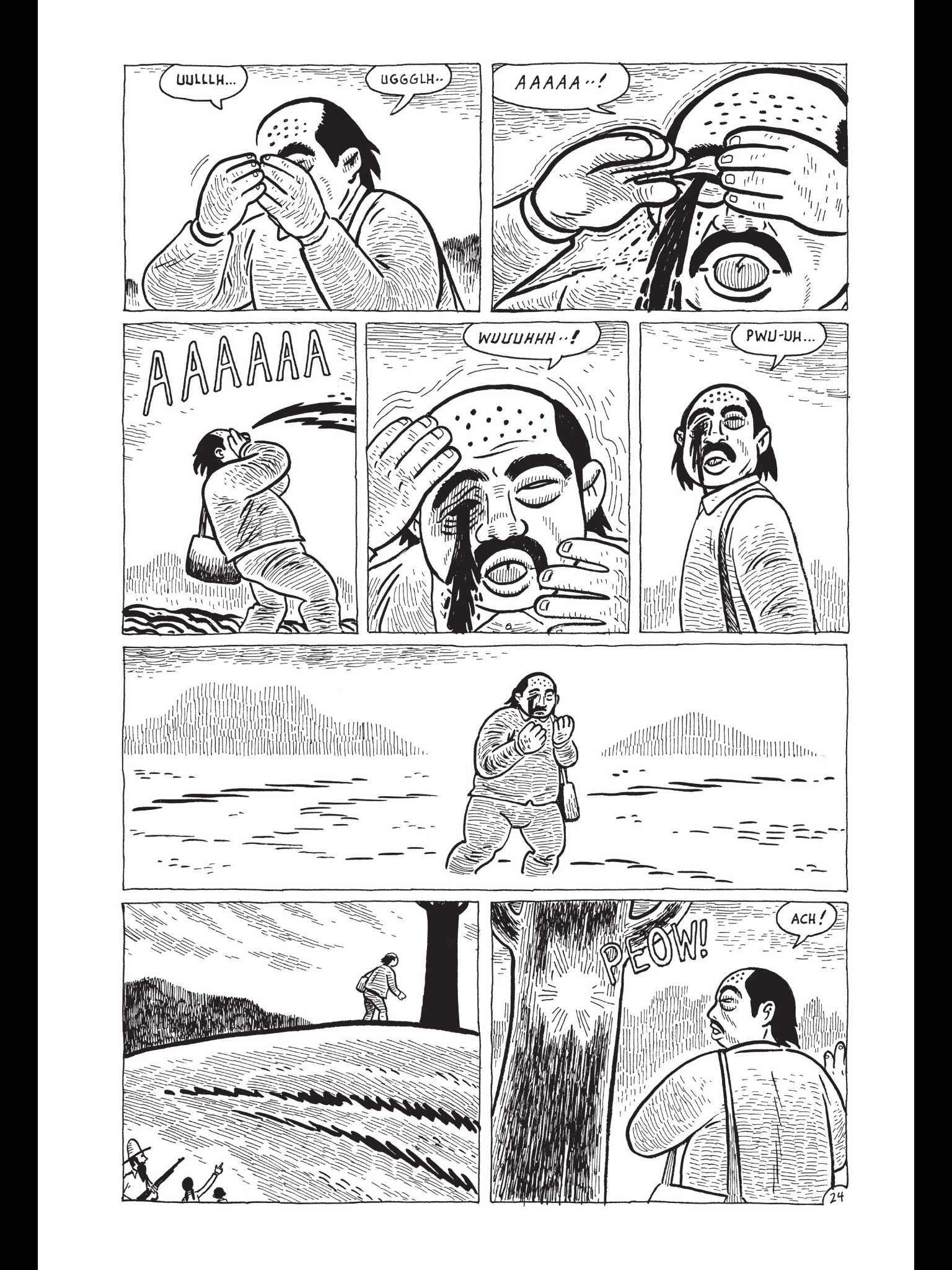
My final score – while a quick 60-minutes read, good drawings and all, the book is forgettable for my taste – save for one thing. The blue worm poisoning (seems to be the invention of Hernandez mind – though some symptoms have clear correlation with those of elephantiasis). The blue worm poisoning! Man, that was creepy! Hope I won't see that at night, shivering in my bed at 4am in the morning. That I would be glad to compare to Tezuka's Kirihito, which equals one of the highest degrees of praise for a comic book in my universe. That alone a good reason to read it. Scary and sick!
















 nomiresdebajodelacama