Posted: January 1, 2014 | Author: no mires debajo, eh | Filed under: Comic, Fiction | Tags: Alan Moore, Books, Comic, English |
Xmas sale on
comiXology hooked me up with
Alan Moore's iconic
Swamp Thing saga that I've never read.
Proves one thing right, the thing
one can be certain about Moore's comic book universe – you can't just read his stuff flipping through the pages and running down the storyline at the speed of light – oh no, he requires you to crack them, read every word, suffer through it in a sense. From Hell is the best example of a great but difficult to read masterpiece of his.
A funny observation for trash movie fans – for a person unfamiliar with the Swamp Thing character, I do have to admit that Troma's no less iconic Toxic Avenger looks kinda like him.
All in all, that's another Moore's superhero novel like Watchmen or V for Vendetta (actually, written well ahead of both) that doesn't have a chewing gum effect at all – vice versa, you dig your teeth in and you work it, like you would with a proper rib eye – and unless you have bloody gums or heartburn, you should like it.
Posted: December 31, 2013 | Author: no mires debajo, eh | Filed under: Books, Fiction | Tags: Books, Leopold von Sacher-Masoch, Religious Sect, Russian, S&M |
Чудесная книжка, эта
Губительница душ. Чистый Тургенев, романтизм в полный рост with a pinch of религиозной секты и полного S&M. Не так потрясающе, как
Venus in Furs, но очень, очень ничего. Если бы по этому сюжету снимать фильм, то какой-нибудь Ben Wheatley снял бы спокойно
Kill List 2.
Второй раз, кстати, пробую чередовать реальную книгу с аудиокнигой (первый была
Серая слизь Гарроса и Евдокимова) – тогда не пошло никак, а сейчас – просто отлично. Единственное, я читаю раз в пять быстрее этой аудиокниги, ритм для меня слабоват – в любом случае,
www.litres.ru в этот раз дал возможность купить обе версии за смешные денежки.
Тут вышел на середину залы молодой человек с бледным изнуренным лицом и блуждающим взором. Он бросился на колени и воскликнул:
– Наденьте мне на голову терновый венец, бейте меня по щекам, дайте мне испытать все страдания моего Божественного Искупителя!
В одно мгновение руки добровольного мученика были связаны веревками, которыми были подпоясаны одежды сектантов, девушка надела ему на голову терновый венок и дюжина женских рук придавила его с такой силой, что кровь ручьями заструилась по лицу юноши. Третий фанатик попросил пригвоздить его к кресту и проколоть ребро копьем. Одна из женщин раскаленным железом сделала себе раны на руках и ногах, ничем не обнаруживая своего страдания. Мало-помалу все притихли и, стоя на коленях, стали молиться. Апостол снова подошел к алтарю, простер руки к небу и произнес звучным голосом:
– Возрадуемся о Господе, братия мои, и прославим Творца небесного!
При этих словах он сбросил с себя верхнюю одежду, и остался в белоснежной тунике, в какой изображают ангелов. Все присутствующие последовали его примеру и, стоя в этом ангельском облачении, хором запели хвалебный гимн. Девушки украсили головы венками, взяли в руки зеленые ветки и под звуки тамбуринов начали плясать вокруг алтаря.
По сигналу апостола два служителя раздели графа и положили его на утыканную острыми гвоздями дубовую доску. Кровь полилась струею, но страдалец не издал ни единого звука.
– Этого мало! – вскричал грозный инквизитор, – ты одержим бесом сильнее, нежели я думал!
Он подозвал к себе Карова и шепнул несколько слов ему на ухо. Графа сняли с доски, связали ему руки веревкой и, продев ее в кольцо, ввинченное в потолок, подняли его вверх…
Тут к нему подошли Эмма и Генриетта с раскаленными железными прутьями в руках.
– Не сердись на меня, милый, – проговорила нежная супруга, заботливо отирая пот со лба мученика. – Я исполняю свой долг. Вытерпи эти временные муки, чтобы избежать мук вечных. Я должна терзать тебя до тех пор, пока ты не смиришься и не раскаешься в своих грехах. От тебя самого зависит, сколько продлиться пытка. С каким-то дьявольским наслаждением нанесла Генриетта первый удар! Затем наступила очередь Эммы. Подземелье наполнилось смрадом…
Наконец страдалец испустил дикий, душу раздирающий вопль. Пытка на минуту прекратилась.
Posted: December 16, 2013 | Author: no mires debajo, eh | Filed under: Comic, Fiction | Tags: Books, Comic, English, Robert Kirkman, Zombie |
Decided to catch up on several months of unread issues of The Walking Dead – and quickly went through volumes 115 to 118. The thing is, if you read just one issue, it's boring – but if you read at least three at once, you get the pace.
Kirkman went into a new story arc called All Out War, a total of 12 issues (8 more to come), with people going after people, guns trotting et al.
The most interesting thing about the comic book now is to compare it to the AMC series – the storyline has never been the same, sure – but even character wise, actions and personalities differ a lot. On TV, the bad guys start the war, while Rick proposes to lay down everyone's guns and quietly live in peace – while in the original comic book world, Rick is the attacker, and his motto is – no killer must be left alive. Gruesome and much more real, eh.
Posted: December 15, 2013 | Author: no mires debajo, eh | Filed under: Comic, Fiction | Tags: Batman, Books, Comic, David Mazzucchelli, English, Frank Miller, Masked Vigilante |
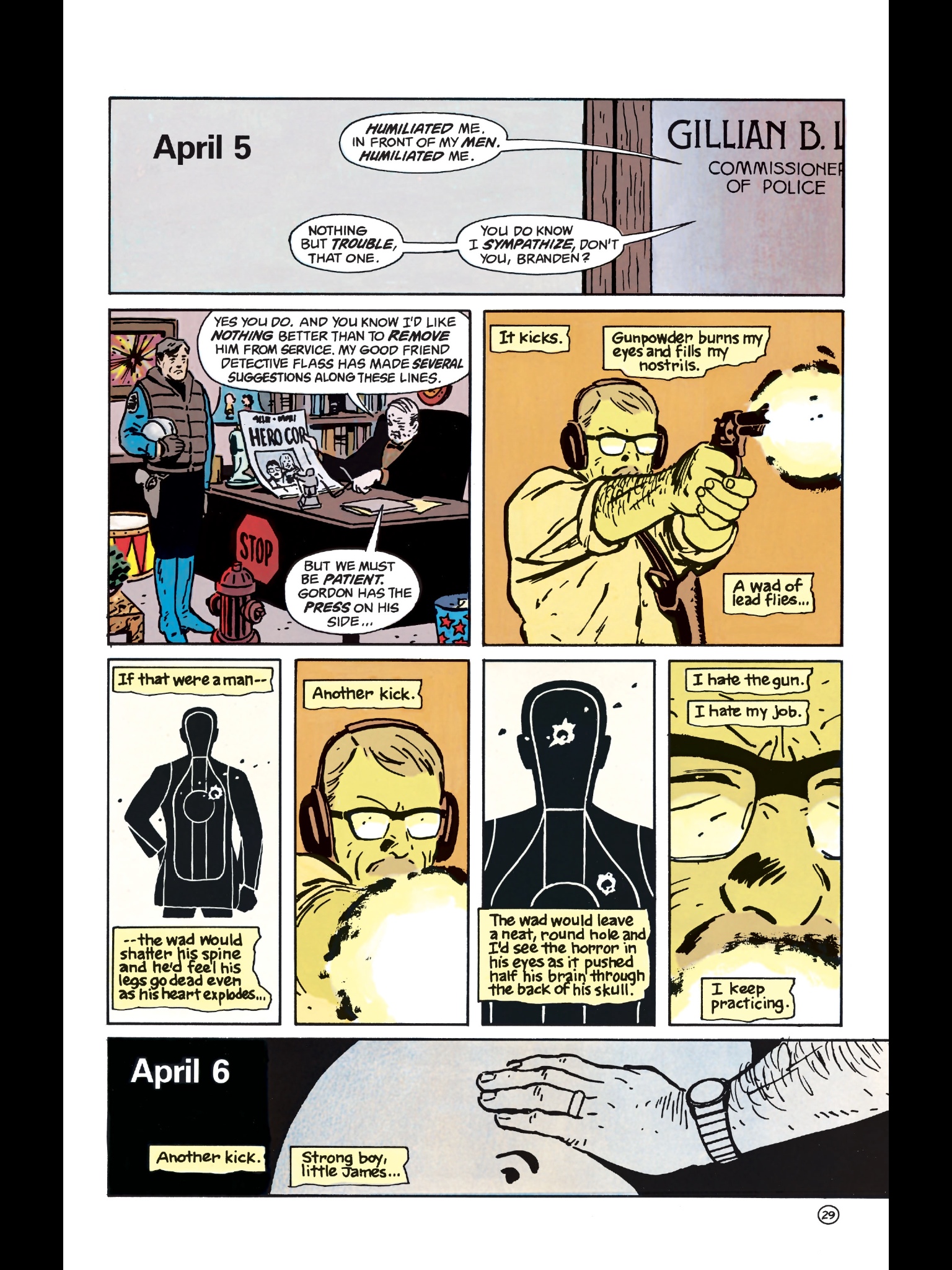
Took the time to go through Batman: Year One, an integral part of Miller’s Batman series. As a prequel to the first Dark Knight, it’s a short book indeed, serialized as four issues in 1987.
Miller’s writing is impeccable – as always, I guess – story-wise, Year One was a bit less complex and thought-provocative than the Dark Knight Returns and the Dark Knight Strikes Again, which were full of questions whether the glorious masked vigilante was a fascist of sorts, pure essence of a lynch mob dressed in a shiny black suit with a cape, acting under the cover of the night as the judge, the jury and the executioner all-in-one.
And no, Miller’s books have nothing to do with Chris Nolan’s blockbusters, that took the title but almost nothing else from them. And better so.
Posted: December 1, 2013 | Author: no mires debajo, eh | Filed under: Books, Fiction | Tags: Books, English, J.G. Ballard |
Dark and violent, focused on hate, intolerance, and madness, Super-Cannes reveals the other face of corporate psychosis – once in a while you see a newsreel about a man with a shotgun or an assault rifle on a killing spree in a cosy air-conditioned 24 hour-lit paradise of an office building, and you think, whoa, another asshole in town – but in Ballard's world, oh boy, that man doesn't seem an asshole at all.
Sheer madness is the new cure – the trendy senior exec way of letting go of work and career stress by hurting and even killing people in a rogue vigilante style, picking on immigrants and the poor, all in a well organized project management way, with meticulous planning, coordination, role play, video documenting and all – practiced by the top brass of a huge business part on the French Riviera.
The novel has its twists, so I'll avoid spoilers – but somehow, the subject is quite close to J.G.'s High-Rise, as recently reviewed here. Two books by Ballard in a row was a way for this to become too obvious – still, it was quite a read.
'The dream of a leisure society was the great twentieth-century delusion. Work is the new leisure. Talented and ambitious people work harder than they have ever done, and for longer hours. They find their only fulfillment through work. The men and women running successful companies need to focus their energies on the task in front of them, and for every minute of the day. The last thing they want is recreation.'
====
'God?' Halder smiled into his elegant hands. 'The people here have gone beyond God. Way beyond. God had to rest on the seventh day.'
'So how do they keep sane?'
'Not so easy. The have one thing to fall back on.'
'And that is?'
'Haven't you guessed, Mr. Sinclair?' Halder spoke softly, but with genuine concern, as if all our time together, the extended seminar he had been conducting with full visual aids, had been wasted on this obtuse Englishman. 'Madness – that's all they have, after working sixteen hours a week, seven days a week. Going mad is their only way of staying sane.'
Posted: November 17, 2013 | Author: no mires debajo, eh | Filed under: Comic, Fiction | Tags: Comic, English, Jamie Tanner, kickstarter, Osamu Tezuka |
Hmm, quite an interesting horror comic indeed, a random purchase at comixology that worked just well.
Capitalizing the content and a bit even the style of
Osamu Tezuka's perennial
Ode to Kirihito, one of the best Tezuka's novels of all time, Tanner tells a tale of a man who befell dog head illness and a strage story that followed.
For a debut novel that was crowdfunded via
kickstarter, as I later found out, it's a tiny gem – great drawing style, good dialog, interesting story twists. Totally enjoyable.
Posted: November 16, 2013 | Author: no mires debajo, eh | Filed under: Comic, Fiction | Tags: Comic, English, John Leavitt, Molly Crabapple |
A light-hearted flirty comic book that served a great intermission in my reading of two violence driven
J.G. Ballard's novels (I'm halfway into
Super-Cannes now).
Fifty-page long colorful delight, no strings attached. Best viewed via iPhone's, not iPad's comiXology app, it seemed to me.
Posted: November 9, 2013 | Author: no mires debajo, eh | Filed under: Comic, Fiction | Tags: Books, English, Jeff Lemire |
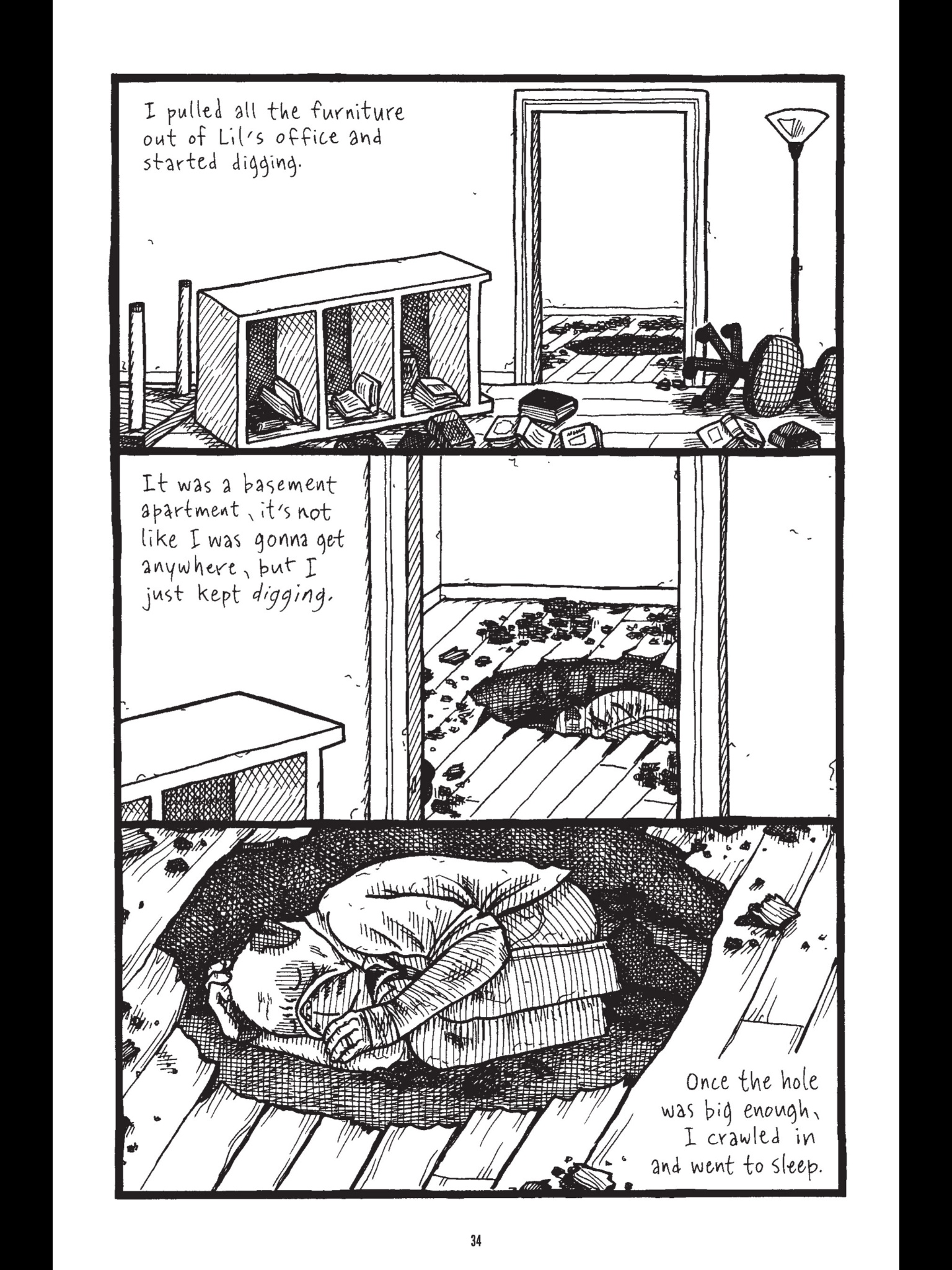
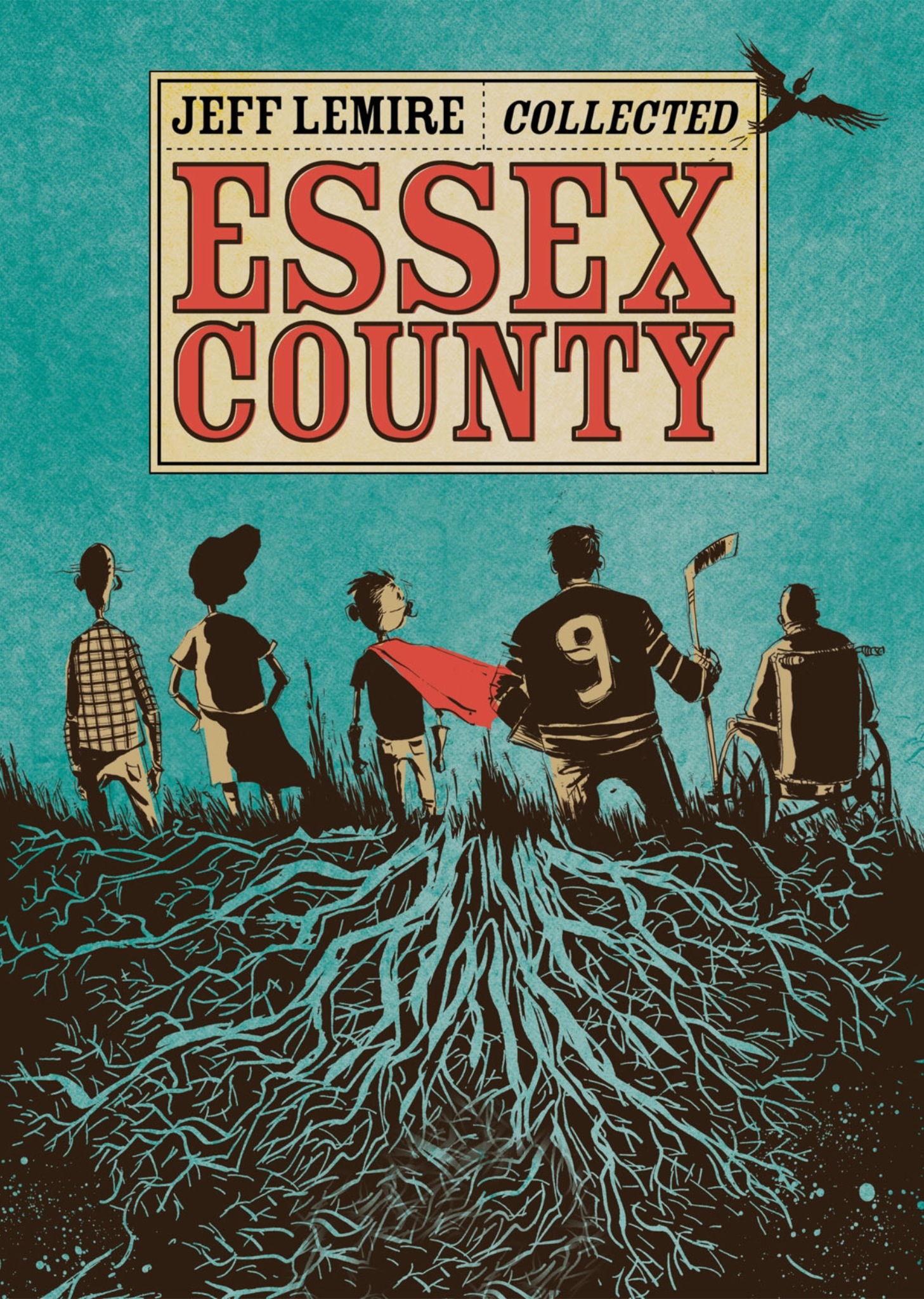
A brilliant, thick in pages, but fast in page turning, melodramatic family remembrance story, going across the span of four generations of various Essex County, Ontario, residents.
In a sense,
Essex County is a perfect gateway book for those not familiar with “serious” no-superheroes-kind of graphic novels, on par with Art Spiegelman's world-acclaimed
Maus, Jason Lutes'
Berlin, Alison Bechdel's
Fun Home and different stuff by other prominent Canadian comic book writers like
Chester Brown, Seth, and
Joe Matt.
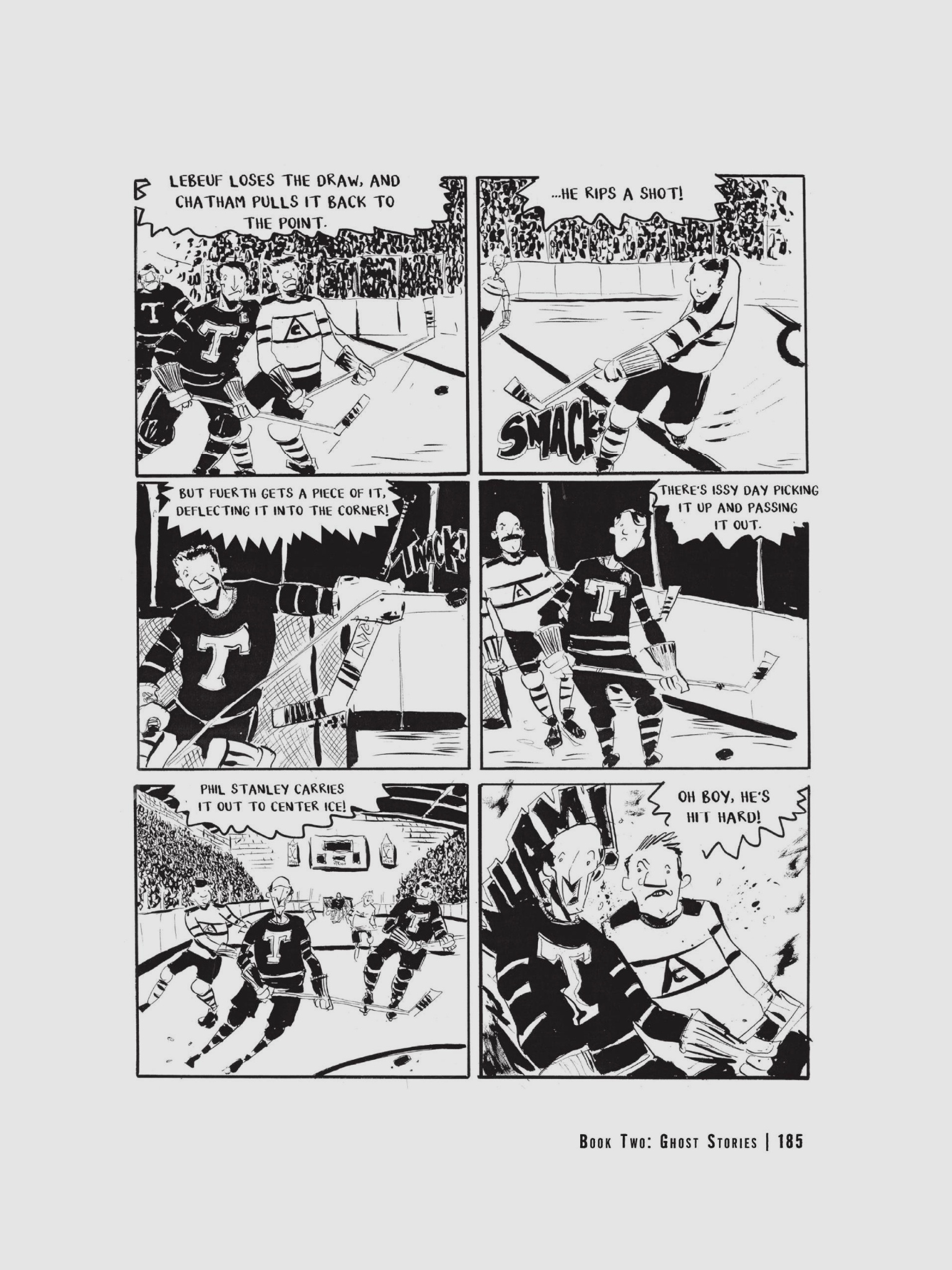
Funny enough, as I predicted, this book is full of hockey – plucks flying in and out of frozen lakes and NHL ice rinks, fists punching faces. But still, it's main theme is family, family that matters most – and how it is never late to care and forgive.
Posted: November 7, 2013 | Author: no mires debajo, eh | Filed under: Books, Fiction | Tags: Ben Wheatley, Books, English, J.G. Ballard |
Surprisingly enough, J.G. Ballard's High-Rise lost virtually none of its value in almost 40 years since its first publication in 1975. Indeed, this is a rare quality for a fiction novel, depicting in rather gruesome detail how a huge 40-storey apartment block of some two thousand people went violent, primitive, tribal, and cannibalistic. Lights go off, heat goes off, garbage chutes and elevators no longer work, and that's when bats, knives, metal chairs, home appliances and even bare hands come into play.
For an avid J.G. Ballard reader like yours truly (not sure that I deserve this “avid” description though, as I've read less than, I dunno, 15% of his books), it's encouraging to see how certain themes migrate through Ballard's body of work – from perverse mutilation of cars and limbs in his iconic Crash into no less exciting vandalism of a communal home and both mental and physical rape of its residents by its residents – or the air of the mass hysteria and clansmanship so similar to Ballard's last novel Kingdom Come, another must-read.
Googling to get some background info as I always do, I realized there is a rumor (not confirmed by imdb though) that Kill List's Ben Wheatley is set to make High-Rise into a motion picture as early as in 2014. Despite the disappointing Sightseers, if indeed Ben the hammer horror man takes upon himself with this task, this flick will be on top of my watchlist from the same day.
As both these men, Wheatley and J.G., know too well how to fill the atmosphere with acute anticipation of violence – and followed by actual violence. Scary.
A few people leaned on their railings and watched Laing without expression, and he had a sudden image of the two thousand residents springing to their balconies and hurling down at him anything to hand, inundating Laing beneath a pyramid of wine bottles and ashtrays, deodorant aerosols and contraceptive wallets.
Posted: November 5, 2013 | Author: no mires debajo, eh | Filed under: Books, Fiction | Tags: Books, Russian, Vladimir Sorokin |
Безо всякого сомнения, весьма занимательный новый труд Сорокина в продолжение опричнинско-метельной темы. Будущее Рассеи второй половины XXI века – да и не Рассеи только, а усей €вропы.
В фантазии Сорокину не откажешь, это точно. Если Опричник читался как неумолимое грядущее будущее нашей родины, то Теллурия, конечно, это куда менее осязаемая реальность. Распад России и Европы, просвещенное средневековье, война с ваххабитами за Подольск, Пермь и Берн, суверенные государства Московия, Рязанское княжество, Тартария, Соединенные Штаты Урала, Сталинская Советская Социалистическая Республика, Барабин, Байкальская Республика – и, собственно, молодая Теллурия (ранее – Алтайский Край) – родина загадочного металла теллура, из которого алтайские умельцы выковывают небольшие гвозди, которые потом не менее умелые алтайские “плотники” плотно заколачивают в головы великим и могучим мира сего, ибо нет наркотика дороже и лучше. 12% смертность, а остальным – новый счастливый мир.
Как художественное произведение,
Теллурия оказалась мне в разы менее близкой, чем
Метель. Причина проста – целостное и последовательное повествование
Метели моему слабому разуму куда приятней и проще, чем винегрет из 50 разрозненных историй, которые и есть
Теллурия.
В общем-то вот.
















 nomiresdebajodelacama