Batman: Year One by Frank Miller and David Mazzucchelli
Posted: December 15, 2013 Filed under: Comic, Fiction | Tags: Batman, Books, Comic, David Mazzucchelli, English, Frank Miller, Masked Vigilante Leave a comment
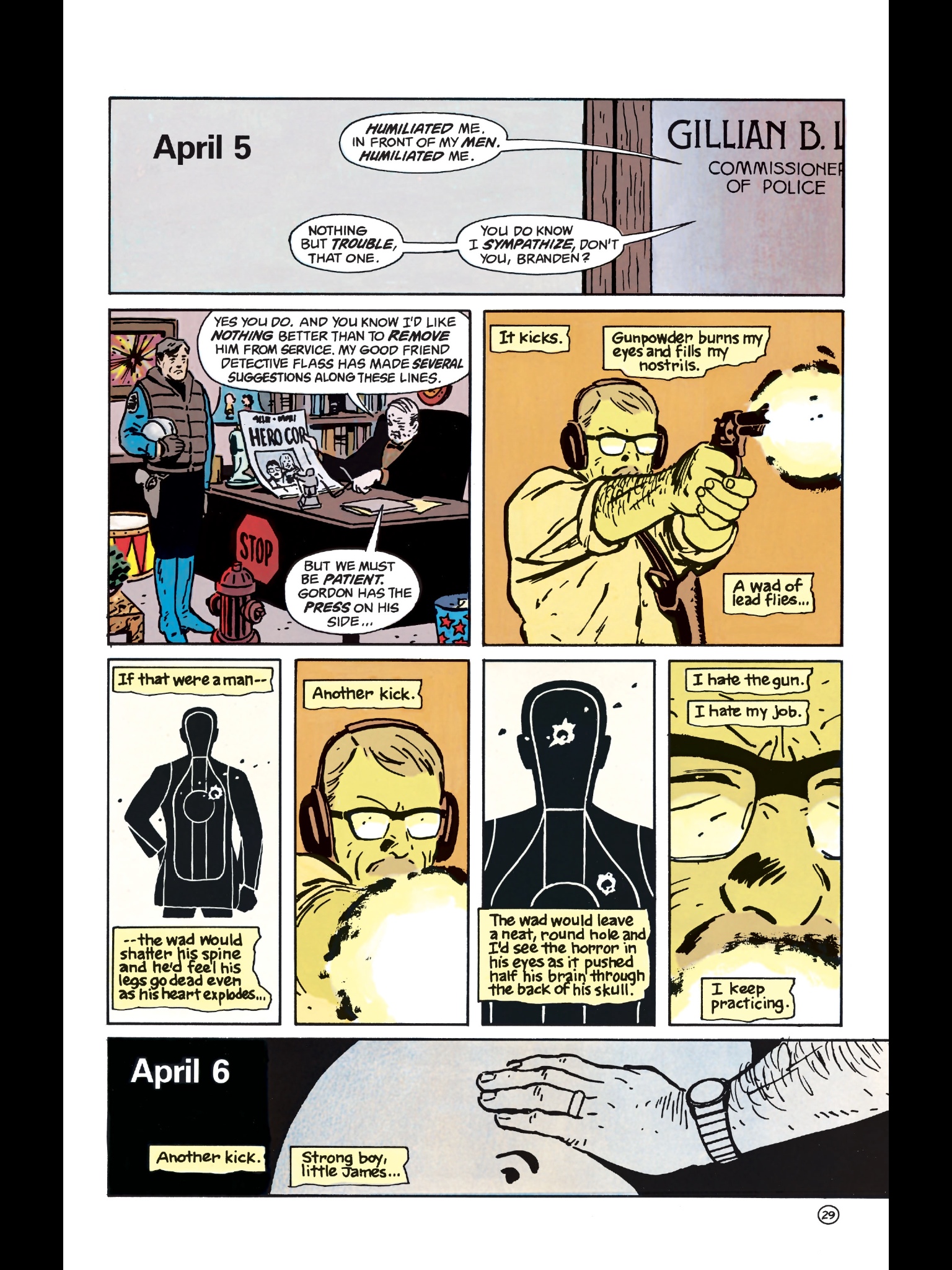
Took the time to go through Batman: Year One, an integral part of Miller’s Batman series. As a prequel to the first Dark Knight, it’s a short book indeed, serialized as four issues in 1987.
Miller’s writing is impeccable – as always, I guess – story-wise, Year One was a bit less complex and thought-provocative than the Dark Knight Returns and the Dark Knight Strikes Again, which were full of questions whether the glorious masked vigilante was a fascist of sorts, pure essence of a lynch mob dressed in a shiny black suit with a cape, acting under the cover of the night as the judge, the jury and the executioner all-in-one.
And no, Miller’s books have nothing to do with Chris Nolan’s blockbusters, that took the title but almost nothing else from them. And better so.


Super-Cannes: A Novel by J.G. Ballard
Posted: December 1, 2013 Filed under: Books, Fiction | Tags: Books, English, J.G. Ballard Leave a comment
Dark and violent, focused on hate, intolerance, and madness, Super-Cannes reveals the other face of corporate psychosis – once in a while you see a newsreel about a man with a shotgun or an assault rifle on a killing spree in a cosy air-conditioned 24 hour-lit paradise of an office building, and you think, whoa, another asshole in town – but in Ballard's world, oh boy, that man doesn't seem an asshole at all.
Sheer madness is the new cure – the trendy senior exec way of letting go of work and career stress by hurting and even killing people in a rogue vigilante style, picking on immigrants and the poor, all in a well organized project management way, with meticulous planning, coordination, role play, video documenting and all – practiced by the top brass of a huge business part on the French Riviera.
The novel has its twists, so I'll avoid spoilers – but somehow, the subject is quite close to J.G.'s High-Rise, as recently reviewed here. Two books by Ballard in a row was a way for this to become too obvious – still, it was quite a read.
'The dream of a leisure society was the great twentieth-century delusion. Work is the new leisure. Talented and ambitious people work harder than they have ever done, and for longer hours. They find their only fulfillment through work. The men and women running successful companies need to focus their energies on the task in front of them, and for every minute of the day. The last thing they want is recreation.'
====
'God?' Halder smiled into his elegant hands. 'The people here have gone beyond God. Way beyond. God had to rest on the seventh day.'
'So how do they keep sane?'
'Not so easy. The have one thing to fall back on.'
'And that is?'
'Haven't you guessed, Mr. Sinclair?' Halder spoke softly, but with genuine concern, as if all our time together, the extended seminar he had been conducting with full visual aids, had been wasted on this obtuse Englishman. 'Madness – that's all they have, after working sixteen hours a week, seven days a week. Going mad is their only way of staying sane.'
Essex County by Jeff Lemire
Posted: November 9, 2013 Filed under: Comic, Fiction | Tags: Books, English, Jeff Lemire 3 Comments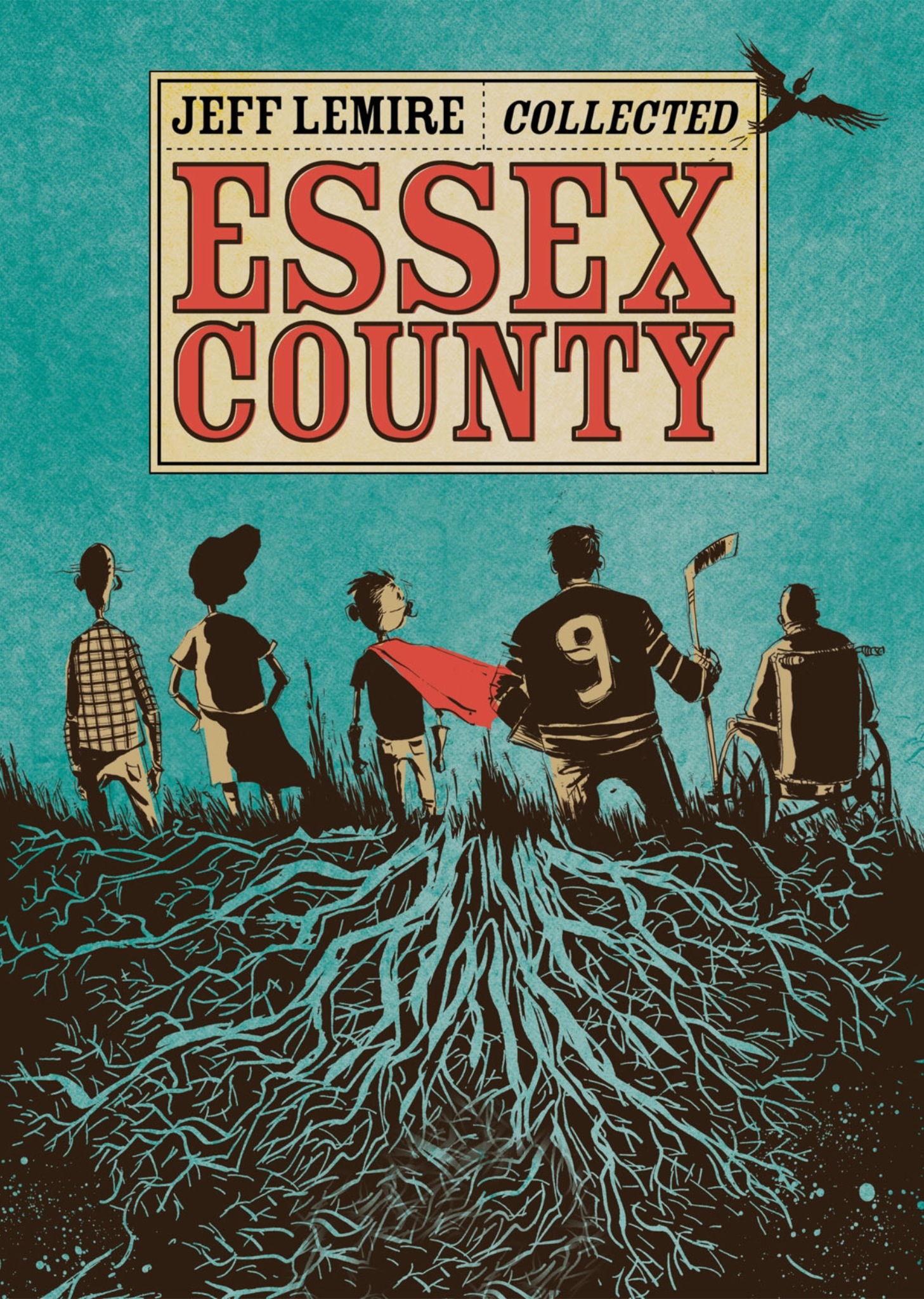
A brilliant, thick in pages, but fast in page turning, melodramatic family remembrance story, going across the span of four generations of various Essex County, Ontario, residents.
This is indeed the best of Jeff Lemire's work, better than his commercially successful serialized Sweet Tooth and latest and much less commercial The Underwater Welder.
In a sense, Essex County is a perfect gateway book for those not familiar with “serious” no-superheroes-kind of graphic novels, on par with Art Spiegelman's world-acclaimed Maus, Jason Lutes' Berlin, Alison Bechdel's Fun Home and different stuff by other prominent Canadian comic book writers like Chester Brown, Seth, and Joe Matt.
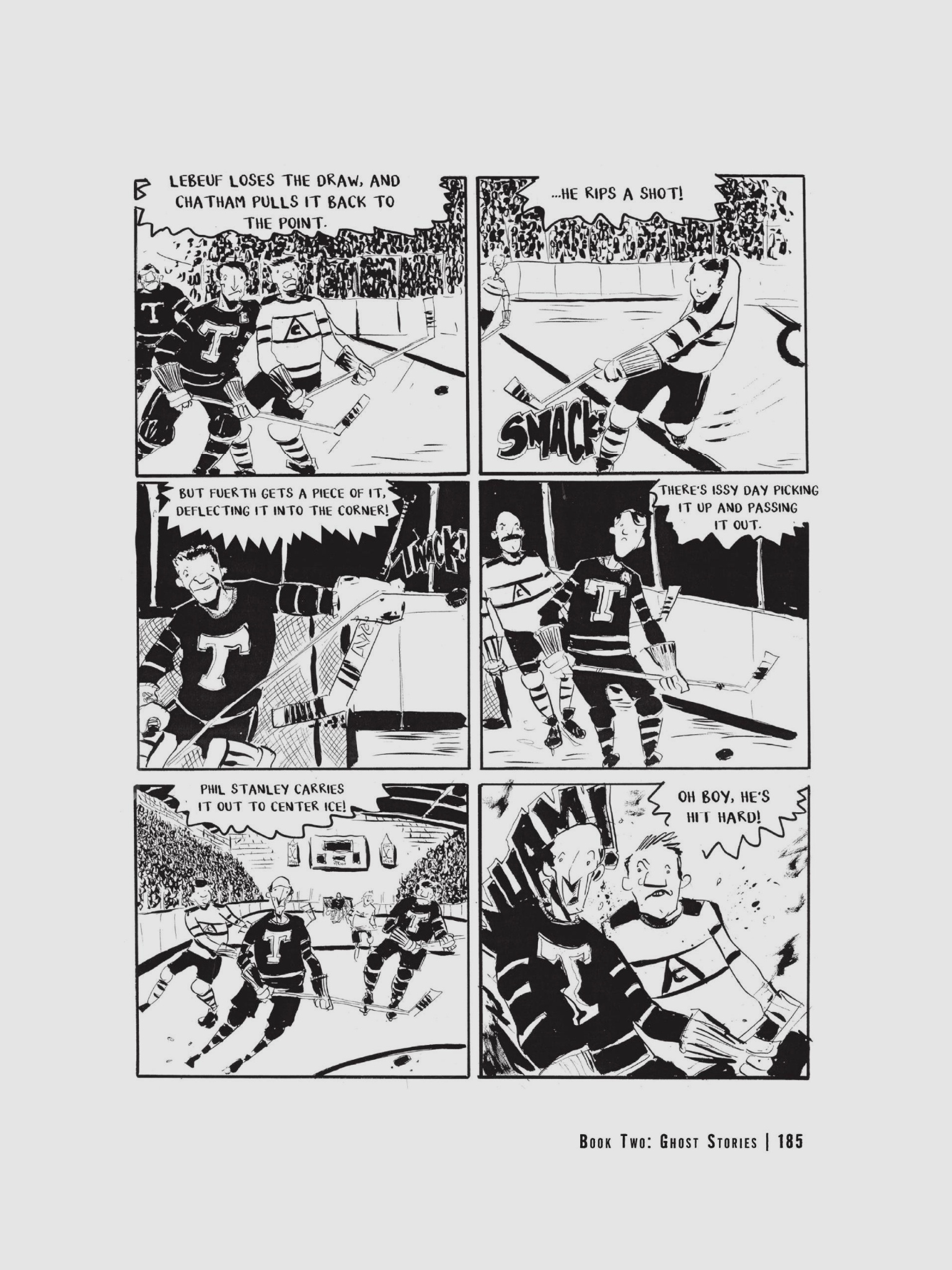
Funny enough, as I predicted, this book is full of hockey – plucks flying in and out of frozen lakes and NHL ice rinks, fists punching faces. But still, it's main theme is family, family that matters most – and how it is never late to care and forgive.


High-Rise by J.G. Ballard
Posted: November 7, 2013 Filed under: Books, Fiction | Tags: Ben Wheatley, Books, English, J.G. Ballard 1 Comment
Surprisingly enough, J.G. Ballard's High-Rise lost virtually none of its value in almost 40 years since its first publication in 1975. Indeed, this is a rare quality for a fiction novel, depicting in rather gruesome detail how a huge 40-storey apartment block of some two thousand people went violent, primitive, tribal, and cannibalistic. Lights go off, heat goes off, garbage chutes and elevators no longer work, and that's when bats, knives, metal chairs, home appliances and even bare hands come into play.
For an avid J.G. Ballard reader like yours truly (not sure that I deserve this “avid” description though, as I've read less than, I dunno, 15% of his books), it's encouraging to see how certain themes migrate through Ballard's body of work – from perverse mutilation of cars and limbs in his iconic Crash into no less exciting vandalism of a communal home and both mental and physical rape of its residents by its residents – or the air of the mass hysteria and clansmanship so similar to Ballard's last novel Kingdom Come, another must-read.
Googling to get some background info as I always do, I realized there is a rumor (not confirmed by imdb though) that Kill List's Ben Wheatley is set to make High-Rise into a motion picture as early as in 2014. Despite the disappointing Sightseers, if indeed Ben the hammer horror man takes upon himself with this task, this flick will be on top of my watchlist from the same day.
As both these men, Wheatley and J.G., know too well how to fill the atmosphere with acute anticipation of violence – and followed by actual violence. Scary.
A few people leaned on their railings and watched Laing without expression, and he had a sudden image of the two thousand residents springing to their balconies and hurling down at him anything to hand, inundating Laing beneath a pyramid of wine bottles and ashtrays, deodorant aerosols and contraceptive wallets.
Теллурия Владимира Сорокина
Posted: November 5, 2013 Filed under: Books, Fiction | Tags: Books, Russian, Vladimir Sorokin Leave a comment
Безо всякого сомнения, весьма занимательный новый труд Сорокина в продолжение опричнинско-метельной темы. Будущее Рассеи второй половины XXI века – да и не Рассеи только, а усей €вропы.
В фантазии Сорокину не откажешь, это точно. Если Опричник читался как неумолимое грядущее будущее нашей родины, то Теллурия, конечно, это куда менее осязаемая реальность. Распад России и Европы, просвещенное средневековье, война с ваххабитами за Подольск, Пермь и Берн, суверенные государства Московия, Рязанское княжество, Тартария, Соединенные Штаты Урала, Сталинская Советская Социалистическая Республика, Барабин, Байкальская Республика – и, собственно, молодая Теллурия (ранее – Алтайский Край) – родина загадочного металла теллура, из которого алтайские умельцы выковывают небольшие гвозди, которые потом не менее умелые алтайские “плотники” плотно заколачивают в головы великим и могучим мира сего, ибо нет наркотика дороже и лучше. 12% смертность, а остальным – новый счастливый мир.
Как художественное произведение, Теллурия оказалась мне в разы менее близкой, чем Метель. Причина проста – целостное и последовательное повествование Метели моему слабому разуму куда приятней и проще, чем винегрет из 50 разрозненных историй, которые и есть Теллурия.
В общем-то вот.
The Game by Neil Strauss
Posted: October 27, 2013 Filed under: Books, Documentary, Non-fiction | Tags: Books, English, Neil Strauss 1 Comment
At the risk of being sandbagged by all of you, yes, I confess, I did read Neil Strauss's The Game. In my defense, my reasoning was three-fold:
(a) it's not the first Strauss's book I've read – hell, I've read Jenna's bio – so I know the guy can produce good chewing gum fictionalized bios, which I like – though I put his Manson's bio on hold, as it seems too outdated;
(b) Strauss was recently up on Tim Ferriss's blog, in June, and that kinda stuck in my mind; and
(c) right about the same time, mid July, Mr. Alex S, sitting in Le Club 55 in Saint Tropez, was telling everyone that the routines really work;
… so, when (b) and (c) kinda coincided in my time and space, I bought the book and put it in my kindle backlog.
Well, interestingly and unbelievingly enough, Mr. Strauss, who previously mostly ghostwrote rock and porn stars, decided to make a total star of himself. Not sure how much in the book is life and how much is fiction, but if it's all life, man, he did a hell of job!
As the story goes, Neil joined a secret internet community of pick up artists, i.e. guys that know how to get the girls date 'em and break down seduction techniques down to routines and social science – and excelled at the game. It resulted in his transformation into the Master pick up artist, who later co-founded a sort of “Fight Club” of pick up, based in L.A. and called Project Hollywood. Whoa, un-frigging-believable.
Just to add some flavor – Miss Courtney Love couchsurfed Project Hollywood for weeks, if not months – so, yeah, this book is a modern Cinderella story – how the ghost writer journalist becomes a total Casanova.
All in all, an interesting read – wouldn't say, for all of you AFCs out there (google the term yourself), that this book is very instrumental in the game of pick up – but I'm pretty sure much more solid step-by-step advice can be found in the satellite products Mr. Strauss, a now turned Tim-Ferriss-styled businessman, published as follow up. Enjoy!
Lost Dogs by Jeff Lemire
Posted: October 19, 2013 Filed under: Comic | Tags: Books, English, Jeff Lemire Leave a comment
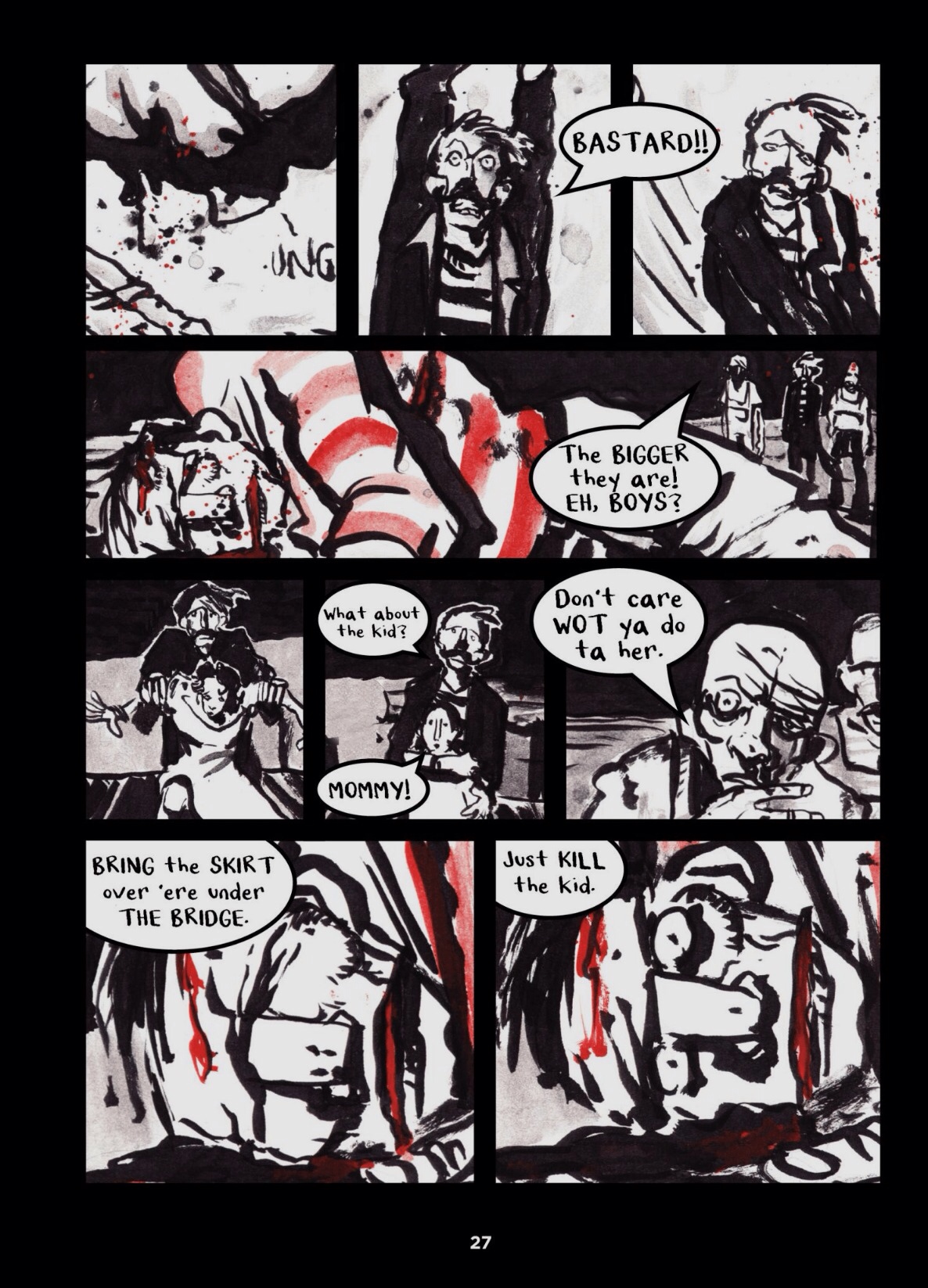
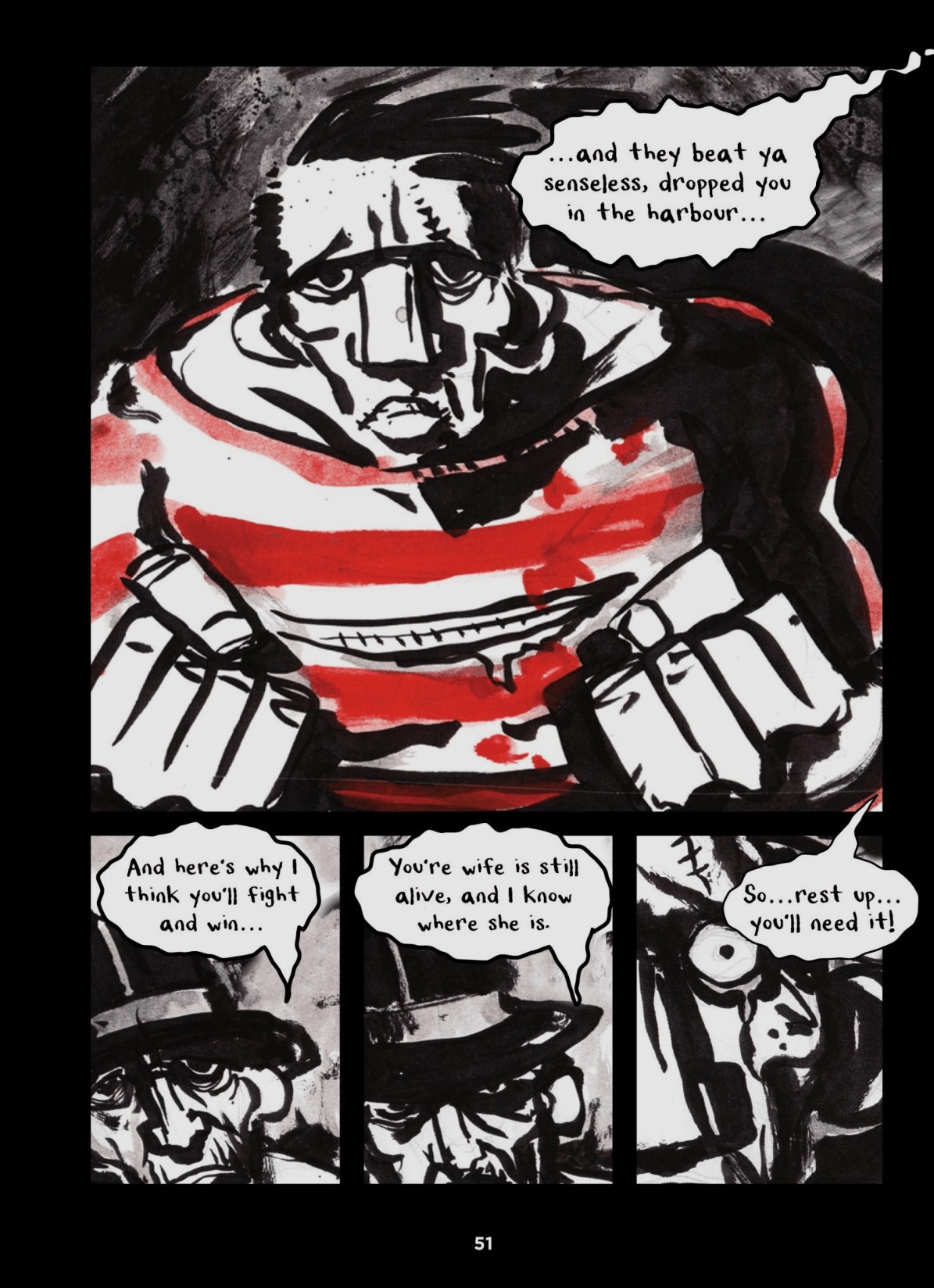
On one end, a disturbing story with a morbid looking drawing style of red, black and white only. Easy to guess, why red. On the other, though, I’d say – nothing too entertaining.
I need to read Essex County, though. Looks like a must read, now that I’ve read both Sweet Tooth and The Underwater Welder. Bought it already, just need to move to page one of this 500+ something beauty.

Благоволительницы Джонатана Литтелла
Posted: October 11, 2013 Filed under: Books, Fiction | Tags: Adolf Hitler, Books, Jonathan Littell, Russian, World War II 1 Comment
Это, без преувеличения, лучший роман, который я прочитал за последние много лет. И по форме, и по содержанию, и вообще.
По итогам этих 900, или сколько их там было, страниц, чувствую себя валенком, железным дровосеком, точнее, даже Страшилой с мозгами из черт знает чего, который не понял и не распознал слишком много вторых и третьих значений и культурных отсылок в этой книге.
С ужасом понимаю, что мне сложно даже что-то добавить, сказать от себя про эту книгу. Все приходящие на ум фразы про банальность зла максимально банальны, и лучше помолчать. Рецензия того же Данилкина, в общем, будет явно лучше моей рецензии. Я вообще после этой книги должен долго и упорно думать: (а) что дальше читать, (б) стоит ли мне тут что-то писать в этом бложике.
Не знаю, может это переводчик гений, потому что книга Литтелла про Чечню (не роман, а документальная, конечно) была написана ну совсем другим языком.
В общем, я решил написать только один короткий observation. Как бы это ни казалось шокирующим, но у меня сложилось четкое впечатление, что я узнал из этой книги про нашу страну (и культурно, и географически), кажется, побольше, чем из много каких книг. Фантастика, но факт.
Из-за женщин и особенно из-за детей наша работа делалась порой очень тяжелой, сердце просто разрывалось. Солдаты, в основном пожилые и семейные, без конца жаловались. Рядом с беззащитными женщинами, матерями, которые видели, как убивают их беспомощных детей, и могли только умереть вместе с ними, наши люди безмерно страдали от собственного бессилия, чувствовали ту же незащищенность. «Мне бы только не сломаться», — сказал как-то молодой штурмман ваффен-СС, я очень хорошо понимал его желание, но чем тут поможешь. Поведение евреев тоже не упрощало дела. Блобелю пришлось отослать в Германию одного тридцатилетнего роттенфюрера, поговорившего перед казнью с приговоренным; еврей, его ровесник, держал на руках ребенка двух-двух с половиной лет, а жена несла голубоглазого новорожденного: мужчина посмотрел роттенфюреру прямо в лицо и спокойно сказал по-немецки без всякого акцента: «Пожалуйста, господин офицер, убейте детей с первого выстрела». — «Он сам из Гамбурга, — объяснял роттенфюрер Шперату, который, в свою очередь, рассказал историю нам, — мы почти соседи, его детям столько же, сколько моим». Да я и сам терял почву под ногами. Во время экзекуции я заметил мальчика, умиравшего на дне траншеи: у стрелка, видно, дрогнула рука, и пуля попала слишком низко, в спину. Мальчик вздрагивал всем телом, взгляд широко раскрытых глаз остекленел, и вдруг на эту сцену наложилась сцена из моего детства: мы с приятелем бегали с жестяными пистолетиками и играли в ковбоев и индейцев. В то время мой отец только вернулся с Мировой войны, мне было то ли пять, то ли шесть лет, как мальчику в траншее. Я спрятался за деревом, когда мой друг приблизился, я выпрыгнул и пустил в него очередь, выкрикивая: «Пиф-паф, пиф-паф!» Он выронил оружие, схватился обеими руками за живот и, согнувшись, повалился на землю. Я подобрал пистолет, протянул ему: «Держи. Давай играть дальше». — «Я не могу. Я — труп». Я закрыл глаза, рядом задыхался ребенок. После операции я посетил местечко, теперь опустевшее и безмолвное, я заходил в избы, низкие дома бедноты, с советскими календарями и вырезанными из журналов картинками на стенах, предметами культа, грубой мебелью. Все это как-то не вязалось с Internationale Finanz-Judentum. В одном из домов я увидел большое ведро на плите, вода закипала, на полу стояли кастрюли с холодной водой и таз. Я закрыл дверь, разделся и вымылся этой водой и куском хозяйственного мыла. Вода обжигала: холодной оказалось слишком мало, я покраснел, как вареный рак. Потом я оделся и вышел; при въезде в деревню дома уже горели. Меня преследовал все тот же вопрос, я возвращался к нему снова и снова, и вот однажды у края очередной траншеи девочка лет четырех тихонько взяла меня за руку. Я хотел высвободиться, но она не отпускала меня. Прямо перед нами расстреливали евреев. «Где мама?» — спросил я девочку по-украински. Она пальчиком показала в сторону траншеи. Я погладил ее по волосам. Так мы простояли довольно долго. У меня кружилась голова, и слезы подступали. «Идем со мной, — сказал я, — не бойся, идем». Я сделал шаг к траншее, она уперлась, потянула меня обратно, но потом пошла следом. Я ее приподнял и передал человеку из ваффен-СС: «Будьте к ней добры», — по-идиотски попросил я. Меня охватила безумная ярость, но не обращать же ее на малышку или солдата. Тот уже прыгнул с девочкой в яму, и я круто развернулся и ушел в лес. Это был большой, наполненный солнцем лес, где высокие сосны росли свободно, и между стволами лился мягкий свет. За моей спиной трещали выстрелы. В детстве я играл в таком лесу около Киля, где мы поселились после войны; в странные игры, честно говоря. На день рождения отец подарил мне подборку книжек про Тарзана американского писателя Э. Р. Берроуза, и я с увлечением перечитывал их вновь и вновь — и за столом, и в туалете, и ночью при свете карманного фонарика; а в лесу, подражая своему герою, я раздевался догола, пробирался сквозь деревья и огромные папоротники, ложился на покрывало из сухих сосновых игл, с наслаждением ощущая их легкие уколы, прятался за кустами или поваленным деревом на пригорке у дороги, садился на корточки и следил за теми, кто проходил мимо, за другими, за людьми. Мои игры не имели выраженного эротического характера, я был слишком мал и сексуального возбуждения испытывать еще не мог; но весь лес превратился для меня в эрогенную зону, огромную кожу, такую же чувствительную, как моя голая детская кожа, покрывавшаяся мурашками от холода. Я должен отметить, что позже игры приняли еще более странный вид; мы еще жили в Киле, но отец уже нас оставил, мне исполнилось девять или самое большее десять; я, голый, затягивал ремень на шее и вешался на ветке, во мне поднималась паника, кровь ударяла в лицо, в висках стучало так, что, казалось, голова вот-вот лопнет, дыхание вырывалось со свистом, потом я выпрямлялся, чтобы отдышаться, и повторял все сначала. Такие игры дарили мне живое удовольствие и безграничную свободу, вот что прежде значили для меня леса; теперь я леса боялся.
Рожденные с характером Евгении Белонощенко
Posted: August 25, 2013 Filed under: Books, Non-fiction | Tags: Books, Evgenia Belonoschenko, Russian Leave a comment
[This page has been left blank intentionally]
March: Book One by John Lewis, Andrew Aydin and Nate Powell
Posted: August 21, 2013 Filed under: Comic, Documentary, Non-fiction | Tags: Andrew Aydin, Books, English, John Lewis, Martin Luther King Leave a comment
The power of coincidence – I read Mikhail Trofimenkov’s unexpected and unexpectedly long review of March Book One in last week’s Kommersant Weekend – and then the book simply popped up right at me in comiXology new releases section – so I just couldn’t stop myself.
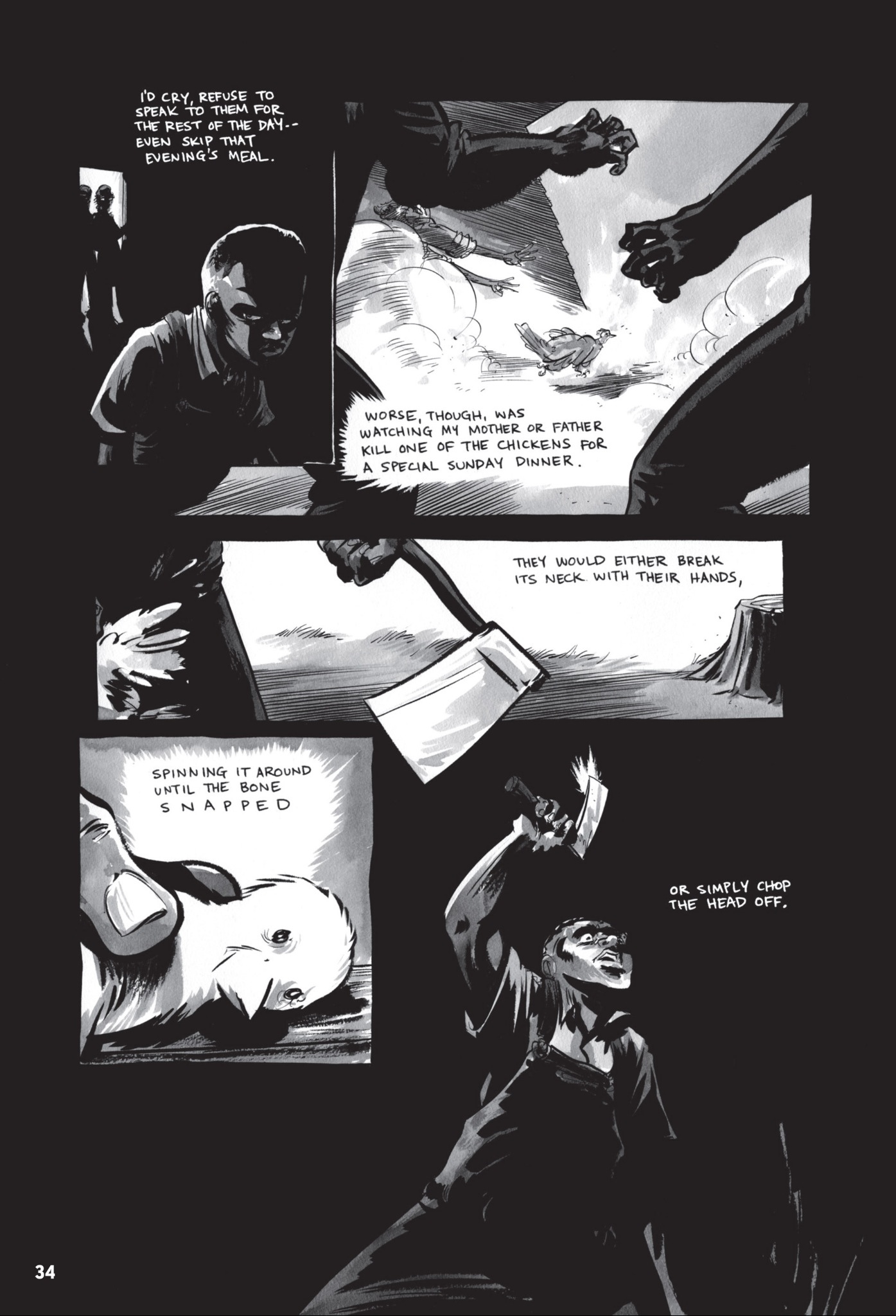
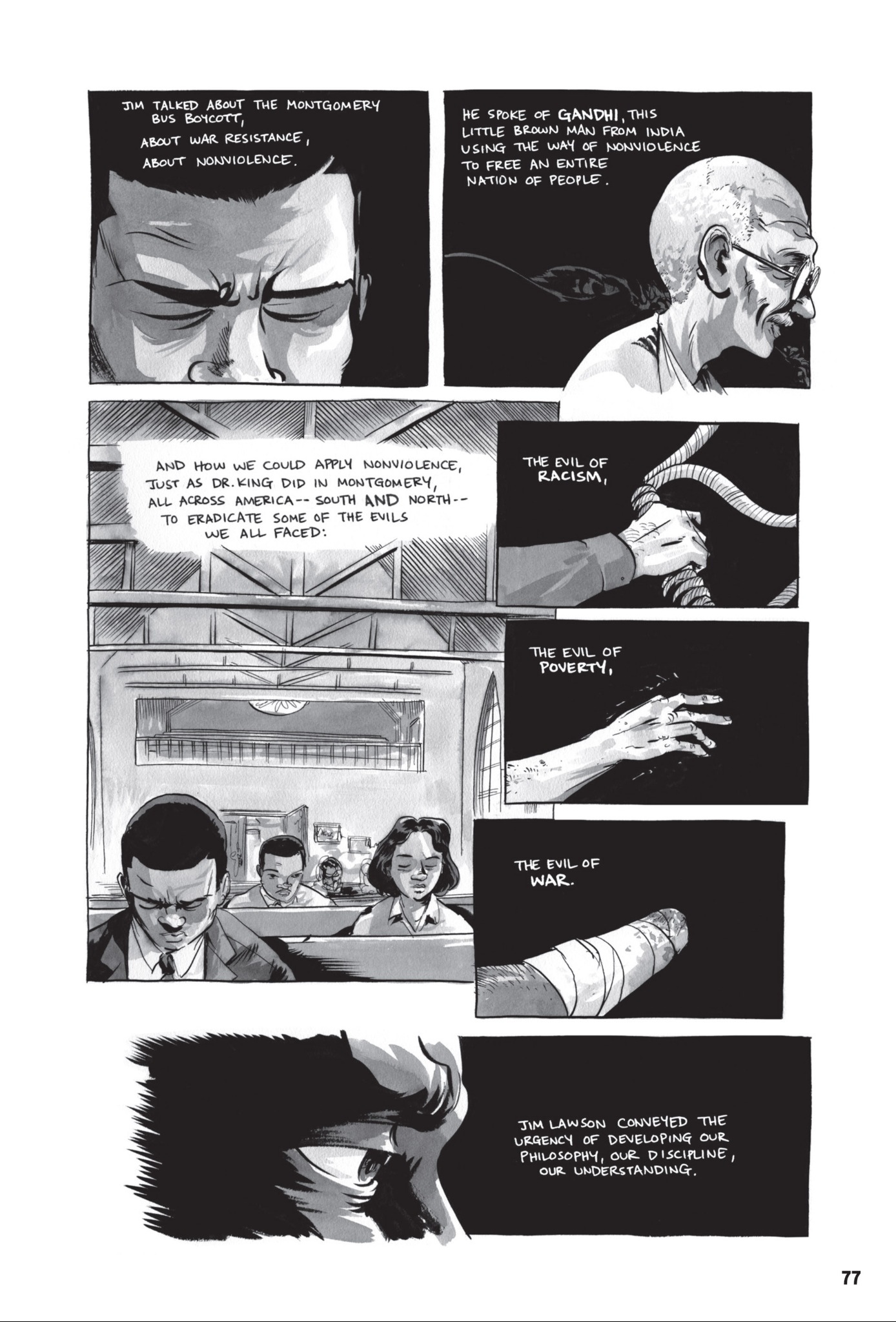
It’s a great piece of work on the racial equality movement in the late 50s, beautifully drawn and told with proper pace and style. However, in light of the splendid and very detailed review linked above (Russian speakers must read it), I decided I will not bore this blog with another, certainly an inferior one.
One thing though I guess it makes sense to add. Clearly and sadly, the self-prolaimed leaders of the Russian opposition here in Moscow have not read or preached the rules of non-violent resistance – and police, like everywhere else, doesn’t like having stones and parts of sidewalk thrown at them. Provocateurs or no provocateurs, no-one like stones thrown at you.

 nomiresdebajodelacama